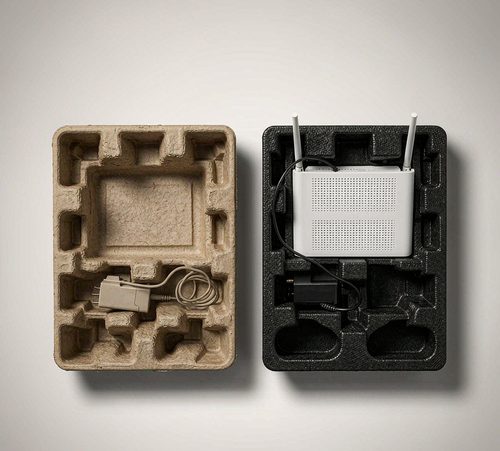

Fiber inner packaging made from molded pulp is a sustainable packaging solution. It can be customized to the shape of your product for optimum protection during transport. Find out if molded fiber packaging is right for you.
Table of contents
What is Molded Fiber Inner Packaging?
What is molded pulp?
Types of Molded Fiber Packaging
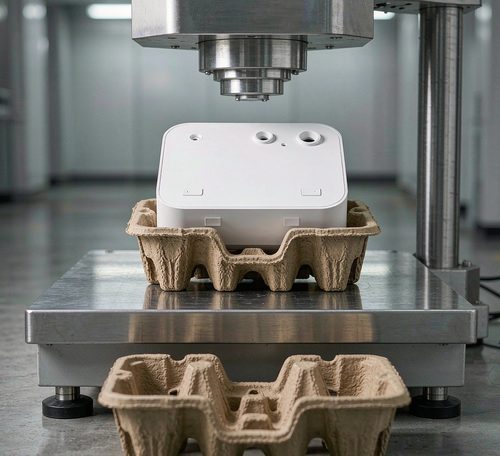
How Molded Fiber Packaging is Made
What are the benefits of pulp molded packaging?
Fiber Inner Packaging Test Your Molded Fiber Packaging
What is the purpose of molded fiber inner packaging?
Because molded fiber packaging can be formed into shapes to suit specific products, many different industries use molded fiber packaging designs for shipping. Pulp molding has many other uses besides shipping. For example, the industrial sector uses it as packaging for consumer goods such as mobile phones and auto parts, and the medical industry uses molded fiber packaging for items such as disposable bedpans, urine bottles and kidney dishes.
What is molded pulp?
Molded pulp manufacturing combines fibrous materials, including recycled paper, cardboard and other fibers. This mixture is then molded into the desired shape through the manufacturing process. Molded fiber products made from waste paper or natural fibers are biodegradable and compostable.
Types of Molded Fiber Packaging
There are several types of molded fiber packaging. Here are some of the most common:
THICK WALL: This molded pulp wrap is kiln dried and has a wall thickness between 3/16 and 3/8 inch. Usually, one side is smooth and the other is rough. Heavy-wall packaging is used to ship heavier, less fragile products such as auto parts, furniture, and flower pots.
Transfer Molding: Transfer molding is another type of oven dry molded fiber packaging that uses a forming tool and a transfer tool to produce packages with wall thicknesses between 1/8 and 3/16 inch. The sides are often smooth. This type is most commonly used on egg cartons and pallets, but can also protect electronics packaging, furniture and glass jars during shipping.
Thermoforming: Also known as thin-wall packaging, this type of packaging is manufactured using a forming die and a transfer die, with product wall thickness between 3/32 and 5/32 inch. Smooth surfaces have the lowest draft angles. These packages are dried in the mold without oven curing.
Processed: This refers to molded fiber packaging that requires secondary processing after molding and curing. This can include heat pressing or post pressing, which adds print or color. Other secondary treatments may include special mud formulations that add design features.