
The Short AnswerLook at Total Cost, Not Unit Price
The sticker price of a pulp insert can run a little higher than foam, and if that's all you weigh, the switch looks like a loss. But packaging costs you money in four other places: shipping, storage, damaged-product returns, and compliance. Foam quietly loses on most of those. Once you add them up, molded pulp often comes out ahead, and the bigger your volume, the faster it pays back.
Where the Per-Unit Price Sits
Let's be honest about the starting point. On a straight per-piece basis, molded pulp typically costs around 10 to 15 percent more than a basic plastic or foam equivalent, because the sustainable material and process cost a bit more. That's line item one. The mistake is treating it as the only line item.
Where the Real Savings Come From
This is the part the unit price hides. The return on a switch comes from several places at once:
1. Shipping. Molded pulp ships about 40 percent more compactly than plastic foam because it nests, so you move more product per container and pay less freight, which matters most for exporters.
2. Storage. Nesting trays save warehouse space dramatically. In one cited comparison, 40 pulp endcaps took about 70 percent less space than the same number of EPS endcaps.
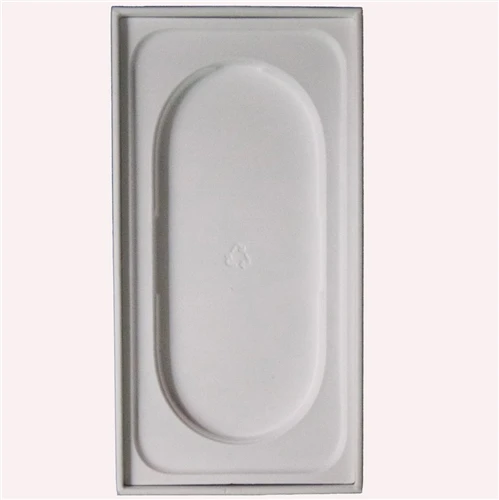
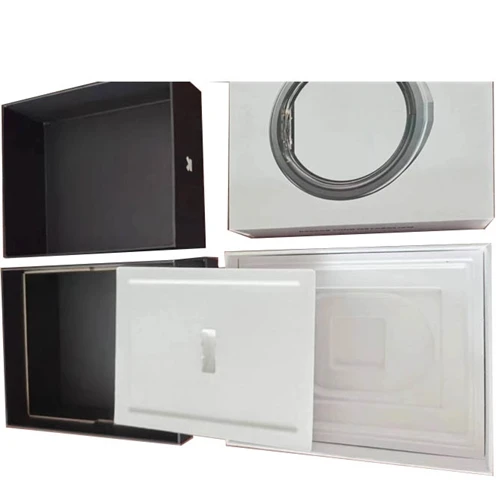
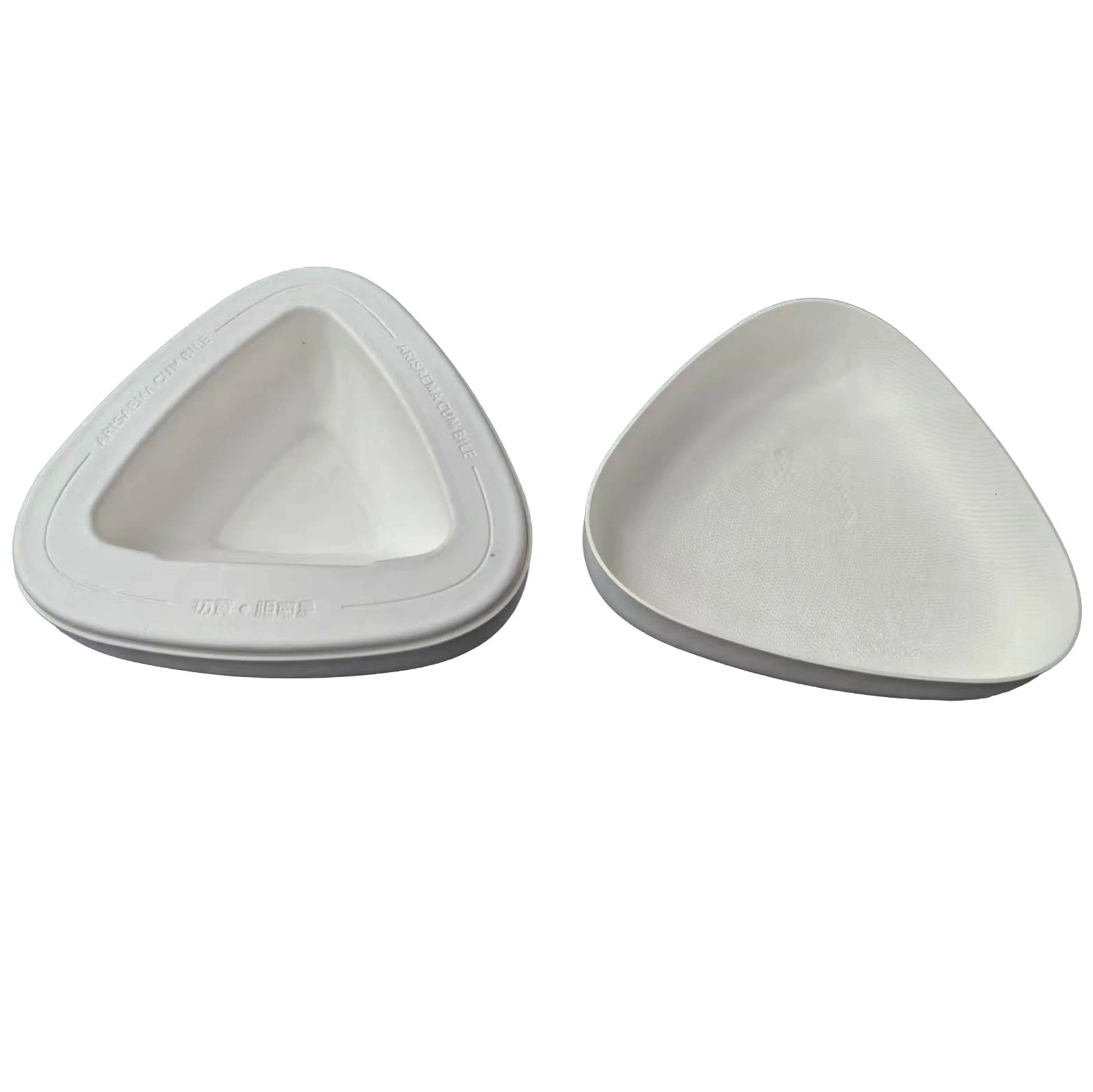
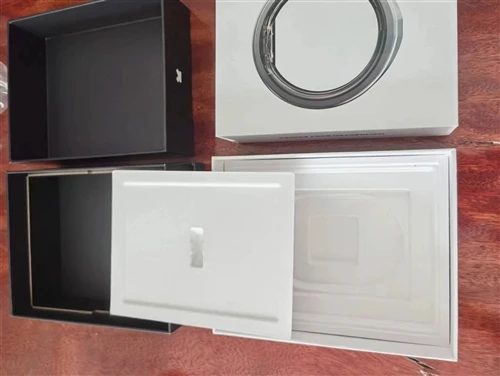
3. Damage and returns. Well-fitted Molded Pulp Inserts cushion evenly and hold their shape in mixed logistics, which cuts in-transit damage and the costly returns that follow.
4. Compliance. Switching sidesteps EPS bans and Extended Producer Responsibility fees that keep rising for plastic foam, turning a future liability into a non-issue.
There's a fifth, softer return too: brand and shelf access. More retailers and customers now screen for sustainable packaging, so the switch can open doors that foam closes.
A Simple Way to Think About Payback
You don't need a complex model to see the logic. On one side, put the extra cost: the slightly higher unit price plus any tooling. On the other side, put the savings: lower freight, reclaimed warehouse space, fewer damaged-goods returns, and avoided EPR fees. The larger and more continuous your volume, the faster the savings outweigh the extra cost, because freight and EPR savings recur on every single shipment while the tooling is paid once.For a high-volume appliance program, that payback often arrives sooner than finance expects.
Cost Predictability vs. Regulatory Volatility
There's one more ROI factor that doesn't show on a spreadsheet but matters to anyone planning ahead. EPS faces a moving target of bans, fees, and recycling mandates, which makes its true cost unpredictable from year to year. Molded pulp is consistently exempted or encouraged by the same policies, so its cost is stable and predictable. For a procurement team, that predictability is a form of return in itself, the value of not getting surprised.
Cost Factor | EPS Foam | Molded Pulp |
Unit price | Lower | About 10–15% higher |
Shipping volume | Bulky | About 40% more compact |
Warehouse storage | Bulky | Up to 70% less space |
Damage and returns | Higher | Lower (even cushioning) |
EPR fees and bans | Rising, high risk | Low, often exempt |
Brand and shelf access | Weakening | Strong |
A Real Example
A [home appliance] company in [region] viewed the switch as a cost until they ran a full total-cost comparison with sunhingstones. The unit price was higher, but the rest told a different story.
Across [X units per year], the freight savings from compact Molded Pulp Trays Eco-friendly inserts, the reclaimed warehouse space, fewer return claims, and avoided EPR fees added up to a payback in roughly [X months]. After that, the switch was net positive every quarter. (sunhingstones packaging was recognized at [ESTA / industry event] for [award or standout feature], reflecting our focus on packaging that pays back.)
Frequently Asked Questions
Q: Is molded pulp worth the higher unit price?
A: Usually, yes, once you count the whole picture. The slightly higher unit price is often outweighed by savings in shipping, storage, returns, and compliance, especially at volume.
Q: Where do the savings come from?
A: Mainly from shipping about 40 percent more compactly, saving up to 70 percent of storage space, cutting damaged-goods returns, and avoiding EPS bans and EPR fees.
Q: How fast is the payback?
A: It depends on volume, but recurring freight and EPR savings on every shipment, against a one-time tooling cost, mean high-volume programs often pay back quickly.
Q: Does it really cut shipping and storage costs?
A: Yes. Because trays nest, they ship and store far more compactly than bulky foam, which lowers freight and frees warehouse space.
Q: How do EPR fees affect the ROI?
A: EPR fees penalize non-recyclable plastic packaging and keep rising. Green Molded Pulp Packaging is usually exempt or favored, so switching removes a growing cost.mortize. In those cases, stock foam or corrugated may cost less.