
Molded fiber packaging, specifically fiber interior packaging made from molded pulp, offers numerous benefits as a sustainable packaging solution. Its ability to be customized to fit the shape of products ensures optimal protection during transportation. Discover the advantages of molded fiber packaging and determine if it's the right choice for your packaging needs.
What is Molded Fiber Interior Packaging Used For?
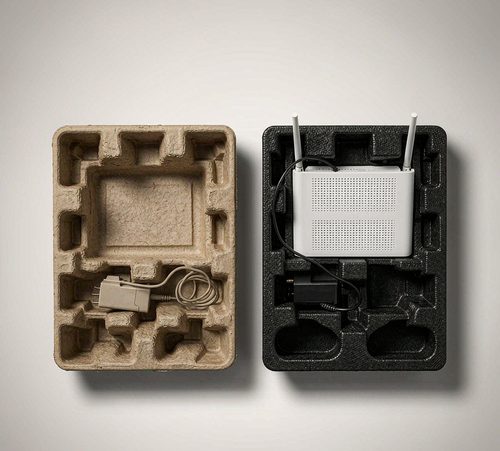
Molded fiber interior packaging is widely used across various industries due to its ability to conform to the specific shape of products. It is commonly employed in shipping applications, but its versatility extends beyond that. For example, the industrial sector utilizes molded fiber packaging for consumer goods like cell phones and vehicle parts. In the medical industry, molded fiber packaging is employed for single-use bedpans, urine bottles, and kidney dishes.
What Is Molded Pulp?
Molded pulp is created through the combination of fibrous materials such as recycled paper, cardboard, and other natural fibers. This mixture is molded into the desired shape during the manufacturing process. The use of waste paper or natural fibers makes molded fiber products biodegradable and compostable.
Types of Molded Fiber Packaging
There are several types of molded fiber packaging available. Here are some commonly used ones:
Thick-walled: This type of molded pulp packaging is oven-dried and features a wall thickness ranging from 3/16 to 3/8 inches. Typically, one side is smooth while the other side is rough. Thick-walled packaging is suitable for transporting heavier, non-fragile products like vehicle parts, furniture, and flowerpots.
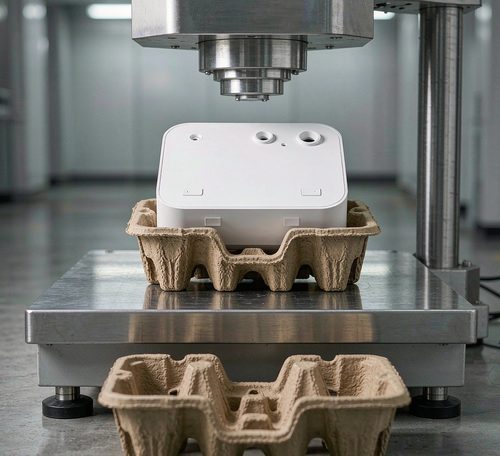
Transfer molded: Transfer molded packaging is also oven-dried and manufactured using one forming mold and one transfer mold. It results in packaging with walls between 1/8 and 3/16 inches, and both sides tend to be smooth. This type is commonly used for egg cartons and trays, but it can also protect electronic product packaging, furniture, and glass jars during shipping.
Thermoformed: Also known as thin-walled packaging, thermoformed packaging is created using one forming mold and one transfer mold, resulting in a product wall thickness ranging from 3/32 to 5/32 inches. The surfaces are smooth and detailed with minimal draft angles. Thermoformed packaging is dried in the mold without oven curing.
Processed: Processed molded fiber packaging requires secondary treatment after the molding and curing process. This can involve techniques like hot or after pressing to add printing or color. Special slurry formulations may also be used to add design features.
Molded fiber packaging offers numerous advantages, including its eco-friendly nature, versatility, and protective capabilities. By exploring the different types of molded fiber packaging and understanding their applications, you can make an informed decision about integrating this sustainable packaging solution into your operations.