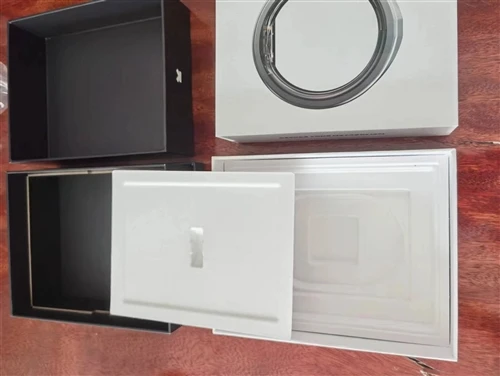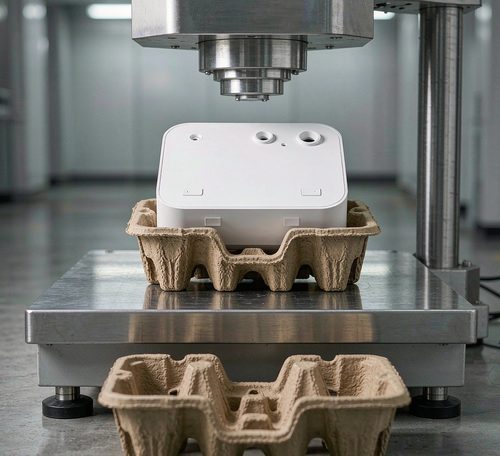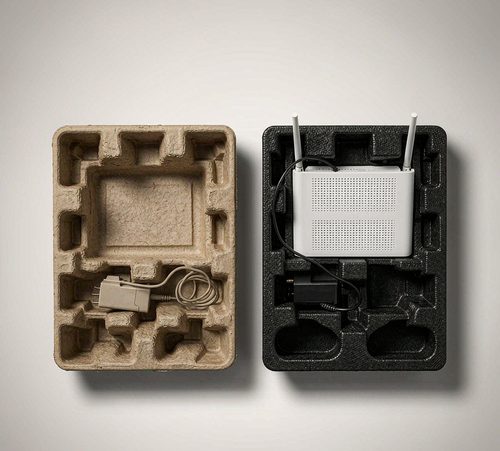

The demand for sustainable practices grows among brand owners, print-service providers, and technology suppliers, the printing industry finds itself at the forefront of discussions on reducing packaging's environmental footprint. The significance of packaging in shaping the relationship between brands and consumers, as well as its crucial role in transporting, protecting, storing, and consuming everyday goods, has made it a trendy topic in the print industry.
Packaging today is expected not only to enhance the product but also to adhere to precise safety, traceability, and sustainability standards. With the exponential growth of e-commerce, packaging has come under scrutiny for both positive experiences, such as memorable unboxing moments, and negative aspects, including the disposal of excess packaging.
The debate over the perceived value of folding cartons, corrugated boxes, labels, and flexible packaging has put printing at the forefront. Sustainability has become a crossroads for the supply chain, as packaging contributes significantly to waste generation. Consumers, converters, and suppliers are increasingly called upon to align solutions with safety and sustainability regulations, which vary globally.
As drupa 2024 approaches, the spotlight is on technology areas most affected by sustainability concerns. Manufacturers are mobilizing to address the environmental impact of printing processes, particularly in the printing of folding cartons. Digital printing, a key player at drupa 2024, is expected to showcase innovations in water-based inks for more sustainable packaging solutions.
The rising popularity of water-based inkjet inks, especially on paper substrates, presents a promising avenue for reducing the environmental impact of packaging. Digital manufacturers are advocating for the replacement of plastic films with paper, utilizing more sustainable chemistries that are easily disposable and recyclable.
Efforts to make printing processes more energy-efficient, such as Xeikon's energy labeling program, reflect a growing focus on sustainability in the printing press sector. The use of water-based inks in corrugated packaging, led by HP's PageWide Industrial pre- and post-print technology, is gaining traction.
Digital technology's integration into embellishment and converting processes is proving to be greener, more efficient, and hybrid. Digital die-cutting and varnishing technologies are reducing setup times and waste in packaging production. The label printing and converting segment is leading the way in hybridizing analog and digital print engines for more sustainable processes.
Papers, substrates, and software ecosystems play a crucial role in creating more sustainable packaging solutions. Manufacturers are investing in creating easily removable single-material packaging, liner recycling programs, and linerless technology to eliminate waste. Software is central to manufacturers' strategies, aiding in process automation, material optimization, and waste reduction.
As manufacturers work towards sustainability, an open, joined-up approach is needed. While large manufacturers have advantages, a collaborative effort is essential to drive change. drupa 2024 is positioned as a primary meeting place for sustainability-conscious players in the printed packaging value chain, aiming to bring about a more influential and sustainable future in the industry.