
In the past decade, the paper mold industry might not have garnered much attention, but the tides are turning. With a heightened environmental consciousness and the establishment of dual-carbon goals, the reduction and ban of plastic have emerged as clear trends. In this transformative landscape, biodegradable lunch boxes crafted from bagasse pulp, a by-product of sugar cane, are experiencing remarkable growth. Teng Zhengpeng, Chairman of Qiaowang Paper Mold Co., Ltd., a subsidiary of Guangxi Rural Investment Group Co., Ltd., elucidates the process of turning sugar cane into valuable paper molds in an interview with The Paper.
Qiaowang Paper Mold, a New Third Board-listed company and a holding subsidiary of Nanning Sugar Industry Co., Ltd., specializes in utilizing bagasse pulp as the primary raw material for developing environmentally friendly and biodegradable pulp molded products.
Guangxi, known as the largest sugar production area in China, boasts abundant sugar cane resources, with its sugar output representing over 60% of the nation's total. Leveraging the by-product of sugar cane production, bagasse, the company transforms it into bagasse pulp through pulping plants. This pulp is then used to craft paper molds, achieving a full-chain cyclic development for sugar cane.
Qiaowang Paper Mold benefits from the ample resources provided by Guangxi Rural Investment Group Co., Ltd., which operates eight sugar companies producing 650,000 tons of machine-made sugar and nearly 400,000 tons of bagasse annually. The group also houses specialized pulping companies, ensuring a robust supply of raw materials for Qiaowang's paper mold business.
Presently, Qiaowang's annual paper mold sales amount to approximately 120 million yuan, with exports constituting an impressive 99% of total sales. The company's clientele spans Europe, the United States, Japan, South Korea, Australia, and other countries.
Export dominance is commonplace for paper mold companies, attributed to the early formation of foreign environmental protection concepts. Additionally, favorable economic benefits from export businesses are influenced by relevant regulations on export tax rebates. According to Teng Zhengpeng, the value-added tax refund rate for paper mold-related products is 13%.
However, domestic environmental protection policies are undergoing adjustments, with various regions signaling reductions, limitations, or outright bans on plastics. This shift may usher in a new era for degradable materials in the domestic market.
As environmental policies evolve domestically, Teng Zhengpeng foresees substantial potential for China's paper mold industry. Addressing a forum on "3060" Responsible Investment, he predicted a 30% penetration rate for paper molds in the packaging market by 2025, with a market capacity of 238.8 billion yuan.
In response to this optimistic outlook, Qiaowang Paper Mold is planning to expand its production capacity. Anticipating an additional 10,000 tons of capacity in the coming year and a total of 40,000 tons by 2025, the company is actively implementing a new bagasse pulp environmentally friendly paper molded product project in Guangxi ASEAN Economic Development Zone. This project is slated for completion before July 1 next year.
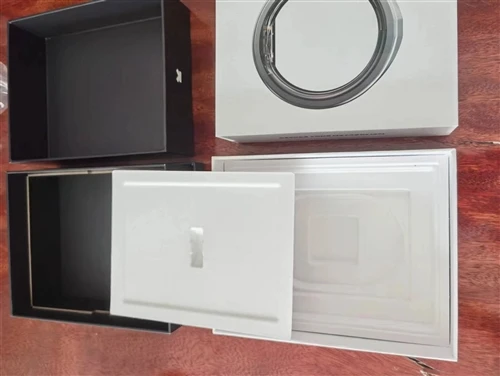
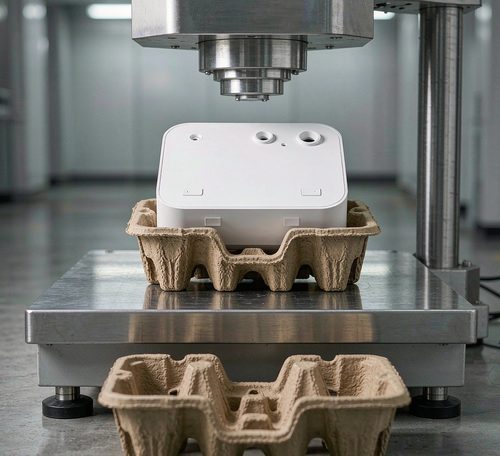
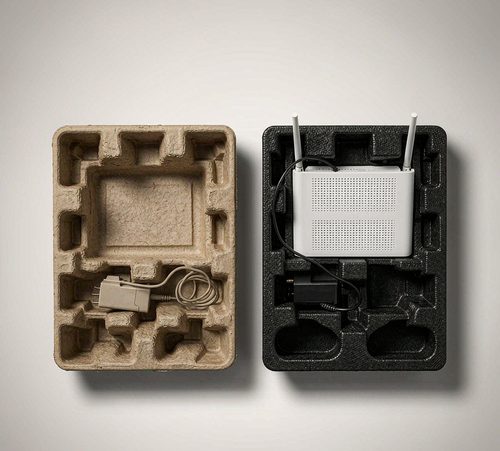
While acknowledging low technical barriers and a competitive environment, Teng Zhengpeng emphasized the company's focus on a customized development path with higher premiums. Despite the closeness in costs between paper molded products and plastic products in the tableware application market, the paper mold industry's potential in industrial packaging, including shock-proof materials for mobile phone and home appliance packaging, remains significant. As environmental policies continue to evolve, the paper mold industry is poised for a promising future, anticipating a surge in demand as plastic products gradually yield to degradable alternatives.