一,The technical core and technological advancement of moulded pulp packaging
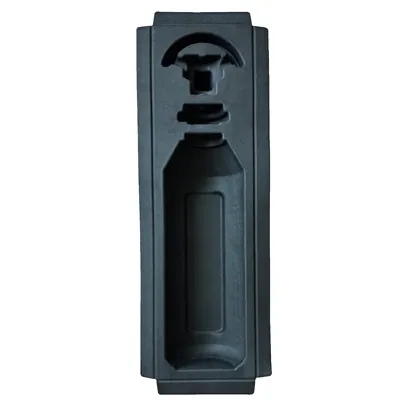
The main idea of moulded pulp packaging is to use three-dimensional papermaking technologies in industry. There are three main processes in the core process: pulping, adsorption moulding, and drying shaping.
Choosing raw materials: The raw materials are broken down into fibre suspensions using a pulping machine. To make them more useful, small amounts of environmentally friendly waterproofing agents (like starch-based coatings) are added.
The process of moulding: In vacuum adsorption or pressure injection moulding machines, fibre suspension is evenly spread over the mold's surface to make a wet billet with a three-dimensional shape. At this point, you can manage the density and surface accuracy of the product by using wet pressing, dry pressing, or a combination of the two.
Drying and shaping: Hot air circulation at 120–180 °C dries the wet billet, lowering the moisture content from 60% to 10%–12%. Hot pressing shaping also gets rid of stress, which makes the walls of the product the same thickness and smooth. Some high-end products will additionally have lamination (PE/PLA) or water-based ink printing done to them to make them look better and make them more resistant to moisture.
The manufacturing process for moulded pulp packaging doesn't use chemical foaming agents like standard EPS foam plastics do, and it uses 30% to 40% less energy. For example, Guangdong Hansen Intelligent Equipment Co., Ltd.'s automated production line can make 5 million pieces per year, and the yield rate stays above 98%. This completely changes the idea that "environmentally friendly materials=inefficient production."
二, A lot of application situations in the home appliance industry
1. Exact protection: protection along the whole chain, from shock during transit to the terminal display
The standards for buffering performance when packaging household equipment are very strict. The fibre network structure of moulded pulp packing helps it absorb and spread energy:
Structural adaptability: We can make support structures for printer ink cartridges that look like honeycombs and shock-absorbing chambers for smart speakers that look like double-layer waves. The "egg box" grid design on the packaging of Samsung Electronics' Galaxy series phones cuts the rate of damage during shipping from 1.2% to 0.3%.
Adaptability to the environment: Adding a nano silica layer to the container lets it work well between -20 and 80 degrees Celsius. Haier Group has effectively dealt with the problems of sandstorms and high temperatures when packaging air conditioning equipment for export to the Middle East.
Preventing and controlling static electricity: Natural fibres are good at stopping static electricity from building up because they are conductive. This makes them great for protecting delicate electronic parts like hard drives and circuit boards. Using moulded pulp liners has cut Western Digital's product repair rates by 45%.
2. Increase in Brand Value: Dual Empowerment of Environmental Narrative and User Experience
In the context of consumer upgrading, packaging has gone from being a cost to a key way to convey brand value:
Building a long-lasting image: HTC was the first company to employ moulded paper pulp materials in smartphone packaging in 2012. This material is biodegradable and fits well with the brand's idea of "coming from nature, going back to nature." According to research from the IPFM expo, home appliance firms who use eco-friendly packaging have seen a 22% rise in customer loyalty.
New ideas for the unboxing experience: Motorola converted the phone package cover into a frisbee that can be used again and again, and the bottom has a loudspeaker. This "packaging as a product" design idea has caused a 300% increase in traffic on social media. High-end devices like Dyson hair dryers and Ecovacs robotic vacuum cleaners show similar new ideas.
Lightweight and space-saving: The stacked design of moulded pulp packing makes better use of storage space by more than 50%. Midea Group has improved the packaging structure of indoor air conditioning units. This has increased the amount of units that can be shipped in one container from 120 to 180 and cut logistics expenses by 28%.
三, Technological advancements and the joint development of industrial ecology
There are three big technological changes happening right now in the moulded pulp packaging industry:
Improved material performance: By modifying nanocellulose, the product's impact strength has increased, making it a good replacement for existing EPE cushioning materials. Kinmen Sorghum Liquor Industry made limited edition liquor packaging using bamboo fibre and PLA composite materials. This packaging can hold up to 15 kg and completely break down.
Digital manufacturing system: The mould creation cycle has been cut down from 45 days to 7 days thanks to 3D modelling and AI simulation technologies. This has made the Huawei Mate series mobile phone packaging three times faster to iterate.
Set up a closed loop recycling system where "packaging use recycling recycled pulp" goes in a circle. Lenovo Group has been able to keep track of recycling rates and carbon footprints by putting RFID chips on packaging. This has cut carbon emissions by 67% throughout the life of a single product packaging.