
1. Material characteristics: the main distinctions between natural fibers and recycled fibers
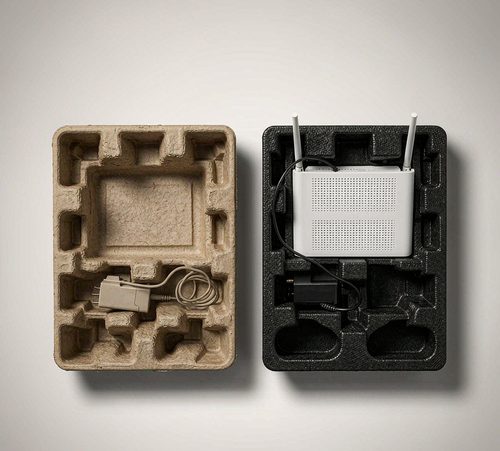
Native wood pulp is a type of pulp manufactured from discarded natural wood by methods including steaming, bleaching, and others that pull out fibers. The fiber length is average and the purity is excellent, which gives the packing materials the following qualities:
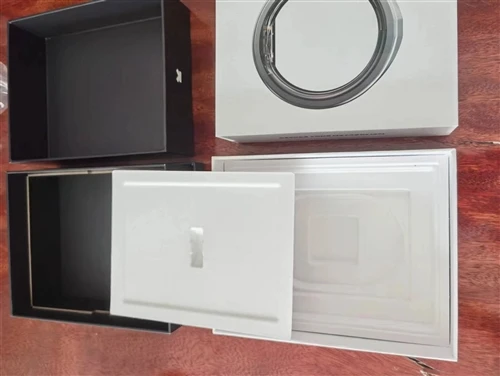
Better physical performance: The fiber structure is full and can withstand strong impacts, which means it can efficiently absorb vibrations and collisions during transit. For instance, the Huawei Mate 60 Pro phone comes with packaging made of local wood pulp molded into shape. This makes it lighter, which lowers the amount of energy used during shipping while yet protecting delicate electrical parts.
Health and safety: The packing materials exceed the stringent hygienic standards of high-end home appliances because they don't include any recycled waste or leftover toxins like heavy metals and ink.
Eco-friendliness: Even though it uses up natural resources, it can be recycled through sustainable forestry management (such getting FSC certification), and it doesn't hurt the soil as it breaks down.
Sorting, deintercalation, and pulping are some of the steps that go into making recycled pulp from waste paper. The fibers get shorter after being recycled many times, and the material has the following properties:
Limited buffering performance: The strength of the fiber is lower, and to make it more shock-resistant, it needs to be combined with other materials, like honeycomb cardboard. For instance, the recycled paper packaging for some small household appliances needs to have more corrugated layers to make it stronger against pressure.
Risk to health: There may still be dangerous elements like ink and glue left behind if the de-ink process isn't done well. Before it can be used for packaging home appliances, it must pass strict tests to meet food grade contact regulations.
A lot of good things for the environment: Recycled paper saves 3 cubic meters of wood, 100 cubic meters of water, and 600 kWh of electricity for every ton. Compared to virgin wood pulp, it also cuts carbon emissions by roughly 30%, which is what worldwide plastic ban laws require to make the switch to low-carbon materials.
2. Application scenario: The difference between universal design and high-end customization
Native wood pulp is generally used to package high-end household appliances and precise electronic devices because it works better than other types of wood pulp.
In the world of 3C electronics, packaging for high-value items like mobile phones and headphones needs to be very shock-resistant, anti-static, and brand-friendly. Xiaomi earphones, for instance, are packaged in native wood pulp molding that fits the shape of the product exactly thanks to careful structural design. This protects complicated lines while showing off the beauty of technology.
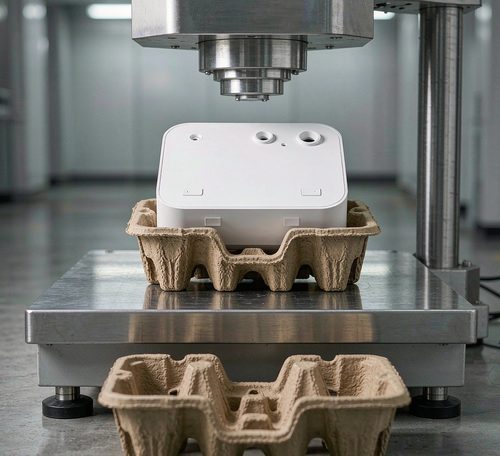
Innovation in large household appliances: some high-end brands of refrigerators and washing machines started to look into using a combination of original wood pulp and corrugated cardboard for packaging. They were able to create a full paper-based structure through hot pressing technology, which replaced the traditional wooden frame and EPS foam. This not only meets the need for shock resistance, but it also lowers the cost of storage.
Recycled pulp is more often utilized for basic packaging and domestic items that are in the middle or lower price range.
Small household appliances: Things like air purifiers and rice cookers are quite sensitive to price. Recycled paper packaging can be designed in such a way that it absorbs stress like native wood pulp, and it can also save 20% to 30% on materials.
Logistics for e-commerce: Because they are light and can be folded up, recycled cardboard boxes are becoming the most popular way to package household appliances sold online. Using recycled cardboard boxes, for example, a certain brand of air conditioner cuts the weight of each package by 15% and the carbon emissions from shipping by 12%.
3. Cost-effectiveness: The game between costs in the short term and value in the long term
The cost of virgin wood pulp includes:
The price of virgin wood pulp is 30% to 50% more than that of recycled pulp since there aren't enough trees to make it. However, this cost pressure can be partially countered by buying in bulk and managing forests in a way that is good for the environment.
Processing cost: requires precision molds and high-temperature and high-pressure forming processes, with high equipment investment and energy consumption. Automated manufacturing lines, like Huagong Environmental Source's intelligent forming matrix, can, on the other hand, make production more efficient and lower the cost of each unit.
Brand premium: Using native wood pulp packaging can give the brand the image of "high-end and environmentally friendly," which can make the goods more valuable. For instance, Apple products are packaged in a mix of 100% bamboo fiber and native wood pulp, which helps them stay at the top of the list for sustainable development.
You can see the financial benefit of recycled pulp in:
Cost of raw materials: The cost of recycling waste paper is inexpensive, and old packaging and garbage can be used as secondary materials. The cost of the raw materials is 40% to 60% lower than that of virgin wood pulp.
Policy subsidies: To help lower prices even more, several governments give tax breaks or subsidies to businesses that use renewable resources. For instance, China gives companies who make recycled paper a 70% reduction on value-added tax.
The worth of a circular economy: A closed-loop recycling system, such when home appliance producers and shipping businesses work together to recycle packaging, can help share material costs and provide long-term advantages.