Part One: Application Characteristics
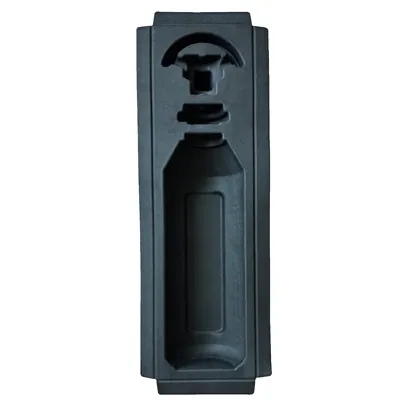
With the growing awareness of environmental protection, consumers are increasingly averse to excessive and environmentally impactful packaging. Climate change is leading to a convergence of global consensus on emissions and waste management. The sustainability and excellent environmental characteristics of molded pulp make it increasingly advantageous in the packaging application field. This type of packaging material is fully biodegradable, and the raw materials are all green byproducts, such as straw, sugarcane pulp, and waste paper. Furthermore, its plasticity demonstrates significant packaging adaptability advantages in the industrial field; its malleable shape is particularly suitable for high-value, fragile items such as electronic devices, home appliances, and automotive parts. Molded pulp products have excellent shock absorption, cushioning, and environmental performance, effectively reducing the risk of damage during transportation. In addition, they also have scratch-resistant and shock-absorbing functions, and are therefore widely used in the inner packaging of products such as printers, modems, hard drives, and smartphones. However, a significant drawback is that the molding cost is still relatively high compared to blister or folded cardboard liners. This remains a disadvantage for low-value-added, small-batch applications.
Part two; Market Demand in the Industrial Packaging Sector
The global industrial chain has undergone a dramatic shift over the past 20 years. Within the framework of the WTO, China has received a significant amount of industrial transfer. Among these transfers, the continued growth of the consumer electronics manufacturing industry has driven a surge in demand for efficient and sustainable packaging materials. Examples include computers, communications, and durable consumer electronics. Driven by both market demand and environmental policies, China's molded pulp packaging industry is moving from absorbing Western technology to upgrading and innovating, and is now trending towards leading the molded pulp industry in technology. More advanced manufacturing technologies not only reduce production costs but, more importantly, are more environmentally friendly, and molded pulp products offer superior performance. This creates more opportunities and possibilities for replacing traditional plastic and foam packaging. To illustrate, in 2023, molded pulp products accounted for approximately 35% of the total demand in China's industrial product packaging sector. This is an unimaginable proportion in a market with previously underdeveloped industries and low environmental awareness. The largest share of growth in the molded pulp market is in linings, replacing the market share of blister packs and folding cardboard.
Furthermore, according to industry data, the market size of molded pulp packaging was RMB 4.757 billion in 2019, and is projected to grow to RMB 7.67 billion by 2023. Market share growth and industry value are showing a synchronized upward trend.
Despite the enormous development potential of molded pulp packaging, it still faces numerous challenges, such as high production costs and relatively limited waterproof and heat-resistant properties. However, these problems are being addressed through innovative measures such as adding waterproof and heat-resistant agents or performing special surface treatments. These advancements will enhance the competitiveness of molded pulp in the industrial packaging market.