
Molded pulp packaging has evolved significantly over the past decade. What began as basic protective trays has transformed into high-precision, visually refined, sustainable packaging-thanks to advancements in forming processes, materials, and surface technologies.
Below is an overview of key innovations that will shape the molded fiber landscape in 2025 and beyond.
1. Thermoformed (Type 3) Molded Pulp Rising Rapidly
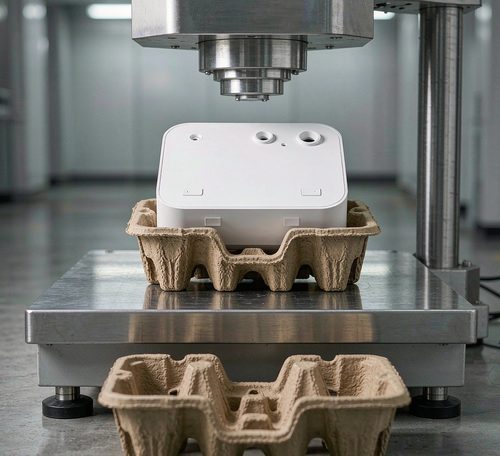
Thermoformed molded fiber represents a major technological leap:
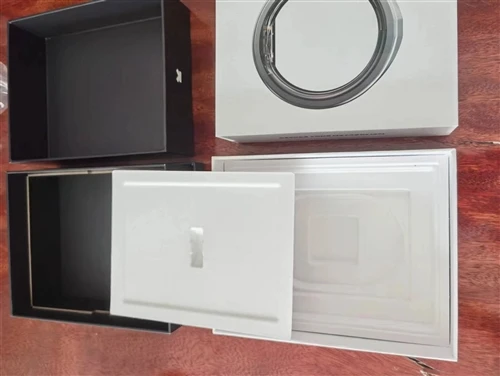
Smooth, premium surface
High dimensional accuracy
Thinner, stronger walls
More refined textures
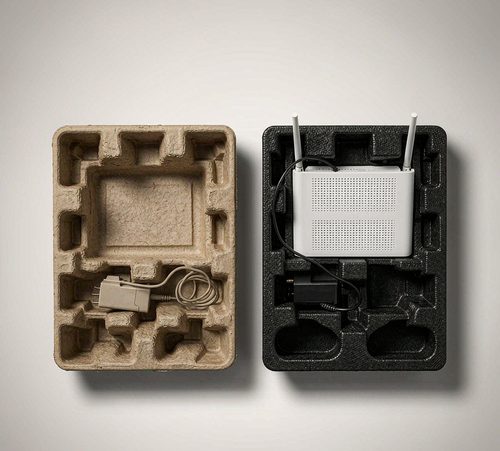
This level of quality makes fiber suitable for electronics, cosmetics, luxury goods, and gift boxes-areas traditionally dominated by plastic.
At Hesheng Innovation Development, thermoformed pulp is one of the fastest-growing manufacturing capabilities requested by customers seeking premium eco-friendly inserts.
2. Alternative Fibers Beyond Recycled Paper
To strengthen supply chain resilience and performance, manufacturers are increasingly adopting alternative plant-based fibers such as:
Bamboo
Bagasse (sugarcane)
Wheat straw
Miscanthus grass industrial fibers
These fibers offer improved strength-to-weight ratios and meet the circular economy objectives of many global brands.
3. Functional & Natural Coatings
New coating technologies are improving molded pulp's functional properties:
Water resistance
Oil and grease resistance
High-temperature endurance
Food-safe barrier performance
Importantly, coating innovation is moving toward biodegradable, PFAS-free, and natural polymer-based formulations, ensuring environmental compliance.
4. Automation & Smart Manufacturing
Automation is reshaping the industry:
Robotic trimming
AI-assisted quality detection
Automated fiber-forming lines
Energy-optimized drying processes
Automation not only reduces labor cost but also improves consistency, traceability, and output capability-making molded fiber more competitive with plastics.
5. The Future: IoT & "Smart Molded Pulp"
An emerging frontier is "smart" molded pulp with embedded identifiers, such as:
QR codes formed directly into the pulp
RFID tags integrated into packaging
Temperature-sensitive materials
Freshness indicators for food logistics
These enhancements will allow fiber packaging to interact with supply chains and consumers, bringing molded pulp into the era of smart packaging.
What important is, innovation is unlocking new opportunities for molded pulp packaging. With the rise of thermoforming, bio-based coatings, alternative fibers, and automation, molded pulp is becoming a high-performance, visually refined, and deeply sustainable packaging category.