
1. Material Innovation: From Composite Plastics to Single Degradable Materials
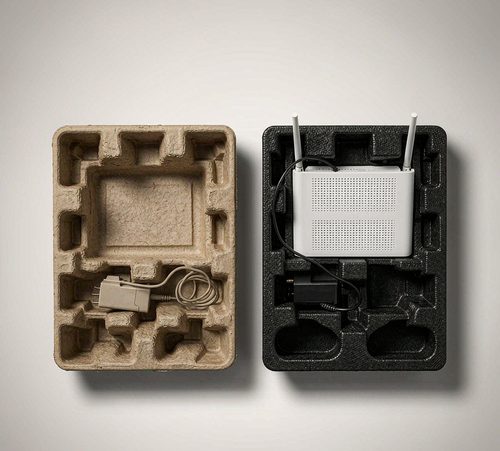
The conventional electronic packaging primarily utilizes a composite structure of "carton+plastic foam+adhesive tape," necessitating the segregation of diverse materials during recycling and escalating processing costs. The main idea of zero plastic packaging is to use a single biodegradable material instead of multi-layer composite structures, like:
P&G air capsule packaging: This packaging is made of 100% single recyclable polyethylene and has an inflatable structure instead of foam filling. It doesn't need tape or cardboard, which cuts down on waste by 51%. This design has been used for Nike shoe e-commerce orders, which shows that it can be used on a larger scale.
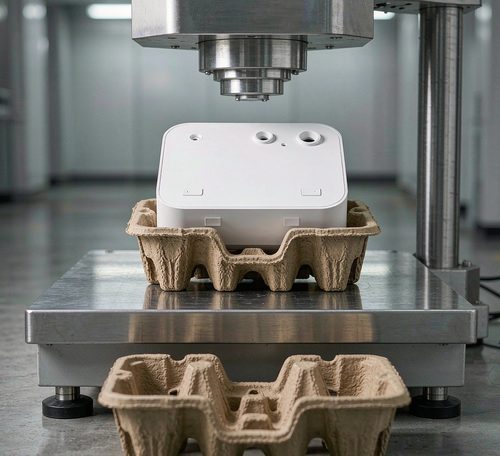
Sony Pulp Tray: Since 2015, Sony has slowly replaced plastic trays with trays manufactured from used pulp. They also employ a flat packaging box design to cut down on the use of plastic film. By 2025, it wants to do rid of all plastic in the packaging for portable products.
Biobased materials that are flexible: Notpla, a German startup, has teamed up with Mack, a cleaning brand, to make laundry detergent bags out of seaweed. These bags dissolve in water without leaving behind microplastics and may be used to package powdered electronic product accessories.
Technical problem: One material needs to be able to handle both stress and moisture. For instance, electronic parts are sensitive to static electricity, so conductive biodegradable coatings need to be made. LCD screens need to be scratch-resistant, and composite films made of bamboo fiber or corn starch can be looked into.
2. Structural Optimization: Design that is both integrated and modular
Another way to get to zero plastic packaging is to use less material by coming up with new ways to build things. This is the highest form of "packaging as a product":
Integrated transportation packaging: Nike will test integrated shoe boxes in 2022. These boxes will combine product packaging with express boxes to cut carbon emissions by 51%. This concept can teach electronic companies a lot. For example, they might make phone cases that double as shipment boxes with built-in honeycomb cardboard cushioning layers.
Modular detachable structure: The French jewelry manufacturer Bausch&Lomb has cut the amount of materials used in its jewelry boxes from 11 to 2 (aluminum and wool felt) and removed the hinge mechanism to make the unwrapping process easier. Electronic companies can make packaging that can be taken apart. For example, they could provide chargers and data cables that are separate paper modules that users can put together and use as needed.
IKEA uses "flat packaging" to save space during transit. To make the material thinner, electronic firms can make foldable paper boxes with honeycomb cardboard or corrugated paper cushioning structures.
Data support: Integrated design can cut the weight of packing by 30% to 50% and the carbon emissions from shipping by more than 20%.
3. Functional Extension: Recycling waste into useful materials
Zero plastic packaging needs to go beyond the idea of "one-time use" and find new ways to make the packaging endure longer:
Fashion brand Ecoalf makes aluminum shells for solid shampoos and sunscreens that can be used again and again. People can buy new bags (paper or bioplastic) to utilize the shells again. For example, electronic manufacturers may start a "packaging rental plan" where customers get points for returning empty boxes. The business can then clean and reuse the boxes after recycling.
One Good Thing, a British brand, makes snack stick packaging out of beeswax and other natural materials. Electronic brands can look into using sodium alginate or starch-based film packaging for small items like headphones and SIM card needles. Users can throw these away in compost after using them.
Packaging turned into product: The Israeli firm Bamboo has changed the packaging for its roll paper by removing extra air and stacking it in a zigzag pattern. The box that holds the packaging also holds tissues. Electronic companies can make shipping boxes with built-in magnetic brackets. After unpacking, consumers can turn the boxes into phone holders or storage boxes.
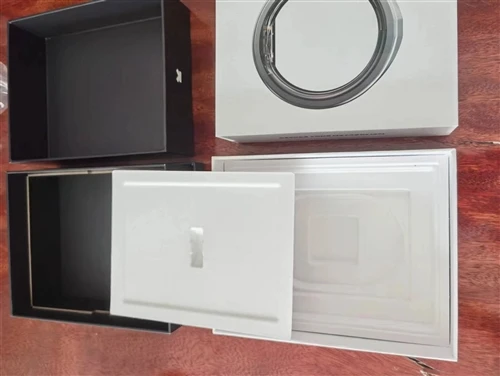
Apple will release "plastic-free" packaging in 2023. Laser engraving will replace plastic packaging. When users open the box, they only have to tear off the paper label, which cuts down on the amount of plastic used.
4. Minimalist Aesthetics: Cutting down on color and printing pollution
Printing on packaging is a hidden cause of plastic pollution since the heavy metals and solvents in the ink are very bad for aquatic bodies. The design philosophy of "less is more" should be used for zero plastic packaging:
The "Green Packaging Specification for Mail and Express" from the State Post Bureau says that the printing area can't take up more than 50% of the packing surface. The Apple Tmall store employs cowhide paper boxes that are printed with only one color of ink. This cuts down on pollution and makes the boxes more valuable for recycling.
Texture of Natural Material: French champagne firm Perrier Jouët makes gift boxes from of pulp and grape vine cuttings. They utilize embossing techniques to generate flowery patterns instead of artificial colors. Laser engraving or embossing are two ways that electronic firms can put their logos on paper packaging.
Degradable labels: Regular sticky labels have plastic film on them, but you may wash them and put information on them directly. To keep microplastics from coming off, Sony utilizes clear varnish instead of plastic coating on the surface of packaging stickers.
Minimalist printing can lower package costs by 15% to 20% while making the brand look more sophisticated.