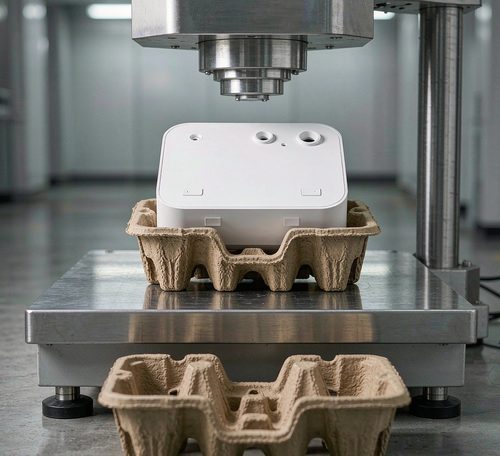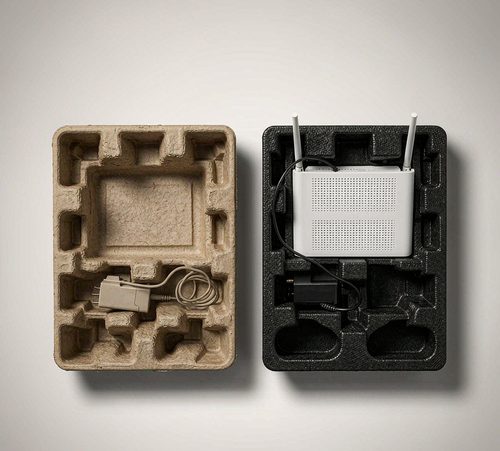

Packaging paper trays are a form of paper plastic packaging and stand among the leading products that can replace EPS foam in China. The conditions that made this replacement necessary have been building for years. Widespread bans on the production and import of polluting packaging have shrunk the foam packaging industry, while sharply rising oil prices have pushed up EPS manufacturing costs so greatly that profits have all but disappeared.
The classification of packaging paper trays follows the products they protect. Industrial trays are molded to hold appliances, electronics and machinery, offering cushioning that guards against impact and vibration. Agricultural trays carry eggs, fruit and seedlings, with compartments that position each item securely. Food trays serve the catering and retail sectors, providing hygienic and presentable packaging for meals and goods.
Within each category, trays are further distinguished by their forming method. Wet pressed trays have smooth surfaces and higher strength, suited to premium applications. Dry pressed trays are more economical and serve cost sensitive uses. Both types share the essential benefits of paper packaging: light weight, good cushioning and full recyclability.
The classification of paper trays helps buyers match the right product to the right application. As the foam industry continues to decline and environmental regulation grows stricter, packaging paper trays are taking on an increasingly central role. They deliver the protection manufacturers need while eliminating the pollution and oil dependence associated with foam.