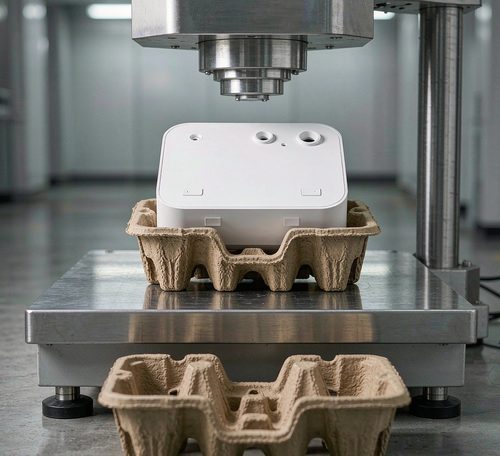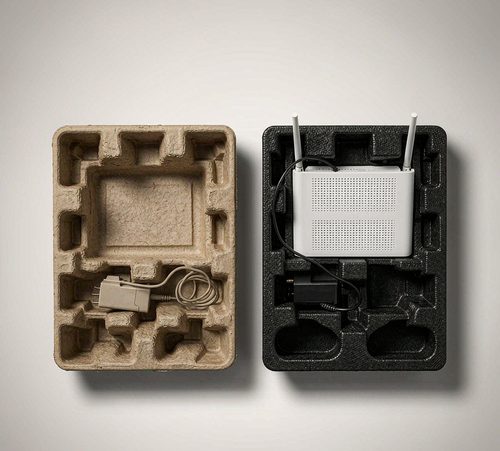

Molded pulp, a versatile and eco-friendly material derived from recycled paper or plant fibers, has found innovative applications across industries. One crucial aspect of its production is the pulping process, which has evolved significantly to minimize waste water generation and eliminate harmful toxins from the production cycle. This progress underscores a commitment to sustainable practices and environmental responsibility.
Traditionally, the pulping process in molded pulp production involved the breakdown of raw materials into a pulp slurry using water and chemical additives. However, advancements in technology have revolutionized this process, focusing on reducing water consumption, optimizing chemical usage, and eliminating toxic byproducts. Here's an overview of the state-of-the-art techniques used to achieve these goals:
Closed-Loop Water Systems:
Cutting-edge molded pulp mills integrate closed-loop water systems that recycle and reuse water throughout the pulping process. This dramatically reduces the volume of water required for production and minimizes wastewater generation. The closed-loop system employs advanced filtration and purification methods to maintain water quality and ensure efficient use.
Advanced Enzymatic Treatment:
Enzymatic treatments have emerged as a sustainable alternative to traditional chemical additives. Enzymes effectively break down fibers, reducing the need for harsh chemicals and minimizing environmental impact. These enzymes are biodegradable and eco-friendly, ensuring that the waste water generated is free from toxic contaminants.
Efficient Mechanical Processing:
Modern pulping equipment incorporates advanced mechanical processes that require less energy and water. High-efficiency refining techniques ensure that fiber breakdown is achieved with minimal resource consumption. These advancements contribute to the reduction of waste water while maintaining the quality of the molded pulp.
Biological Treatment of Waste Water:
Biological treatment systems, such as aerobic and anaerobic digestion, are increasingly used to treat waste water from the molded pulp pulping process. Microorganisms break down organic matter, converting it into harmless byproducts. This approach further reduces the environmental footprint by minimizing the release of pollutants.
Toxin Elimination and Responsible Disposal:
Stringent regulations and responsible waste management practices ensure that any residual chemicals are properly treated and disposed of. Advanced treatment technologies, such as adsorption and precipitation, are employed to remove toxins from waste water before it is released into the environment.
As the molded pulp industry continues to embrace sustainable practices, the pulping process remains at the forefront of innovation. The amalgamation of closed-loop systems, enzymatic treatments, efficient mechanical processing, and waste water treatment technologies exemplifies the commitment of manufacturers to produce molded pulp with minimal environmental impact.
This progress not only reduces waste water and eliminates toxins but also underscores the broader shift towards more sustainable manufacturing practices. As technology continues to advance, the molded pulp industry sets a precedent for other sectors, showcasing how a balance between efficiency, functionality, and environmental stewardship can be achieved through meticulous process refinement and innovative technology adoption.