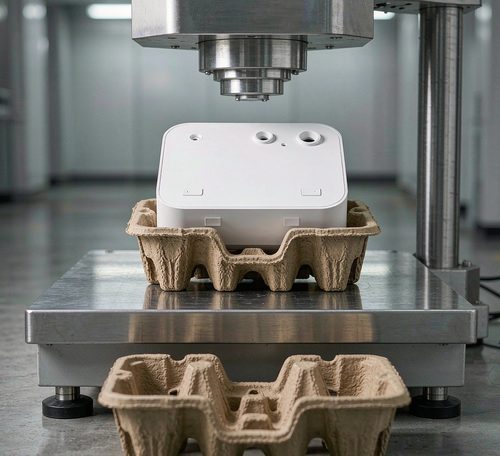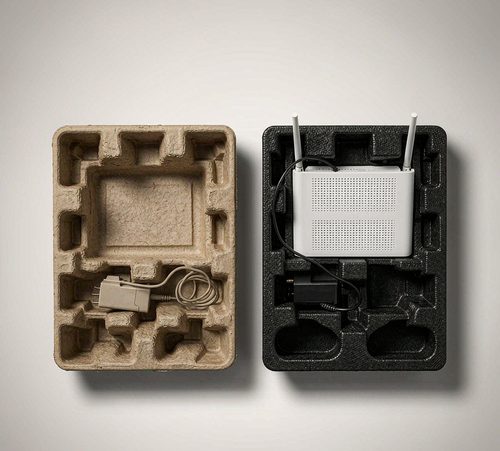

The cushioning performance of pulp molded structures is central to the design of paper tray packaging. By understanding how these structures absorb and distribute impact, manufacturers can create packaging that protects products while using material efficiently.
China's paper tray industry has developed with a clear understanding of the relationship between use cases and packaging design. The industry structure has been carefully organized, providing a solid foundation for the growth of paper tray environmental protection.
The poultry egg tray illustrates the principles involved. Its material is intentionally loose, and its egg-shaped curved surface gives it a structure with excellent air permeability. This combination delivers superior freshness retention, keeping eggs fresh during storage and transport. The cushioning and positioning properties of the tray are equally important, as the curved cups hold eggs firmly while absorbing the shocks of handling.
The design logic of the egg tray extends to other applications. The cushioning performance of any pulp molded package depends on the interplay between material properties and structural geometry. Designers can adjust these factors to achieve the desired balance of protection, weight and cost.
As the paper tray industry continues to mature, the study of cushioning performance will remain central to its development. Each advance in understanding enables better packaging design, broader applications and greater confidence in paper trays as a reliable alternative to synthetic materials.