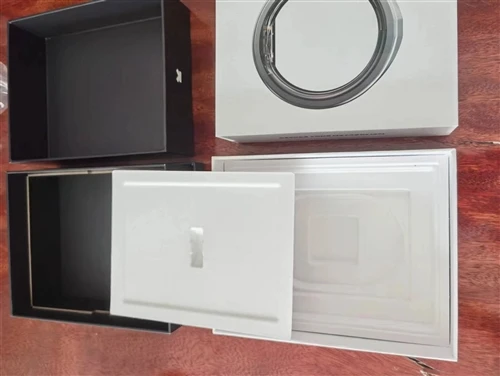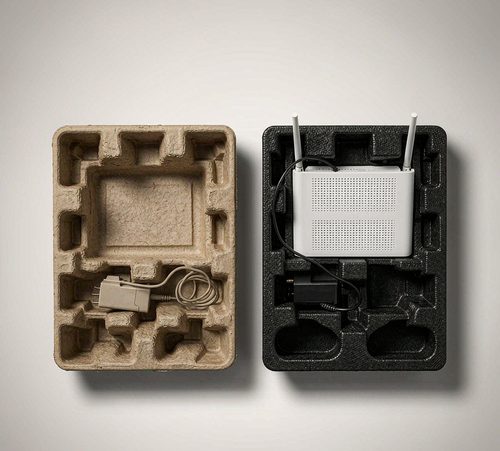

With an introduction: In the global movement toward sustainable practices, industries are increasingly seeking eco-friendly alternatives to traditional packaging. A notable shift is occurring in the realm of packaging materials, with molded pulp emerging as a commendable replacement for vacuum plastic trays. This transformation is not only environmentally conscious but also marks a significant stride in the pursuit of a more sustainable and responsible packaging solution.
The Rise of Molded Pulp: Molded pulp, derived from recycled paper and cardboard materials, has gained prominence as a versatile and eco-friendly packaging option. As industries seek alternatives to single-use plastics, molded pulp stands out for its biodegradability, renewability, and minimal environmental impact.
Environmental Impact: One of the primary advantages of molded pulp packaging is its positive environmental impact. Unlike vacuum plastic trays that contribute to pollution and non-biodegradability, molded pulp is made from recycled materials and is fully compostable. This shift addresses concerns about plastic waste and aligns with global efforts to reduce the environmental footprint of packaging.
Sustainable Sourcing: Molded pulp packaging often utilizes recycled paper and cardboard fibers, reducing the demand for virgin materials. This sustainable sourcing not only conserves natural resources but also encourages the recycling loop, promoting a circular economy approach.
Versatility in Design: Molded pulp's versatility extends to its design capabilities. Manufacturers can mold the material into various shapes and sizes, making it adaptable for a wide range of products. This flexibility ensures that molded pulp can effectively replace vacuum plastic trays across diverse industries, from electronics to food and beverage packaging.
Protection and Durability: Contrary to misconceptions, molded pulp packaging offers robust protection for products. Its shock-absorbing properties make it an ideal choice for securing fragile items during transportation. Molded pulp can effectively cradle delicate products, providing the necessary cushioning without compromising on durability.
Consumer Perception: As consumers become increasingly environmentally conscious, businesses that adopt molded pulp packaging send a powerful message of sustainability. This shift can enhance brand image and customer loyalty, as consumers actively seek products with minimal environmental impact.
Conclusion: The transition from vacuum plastic trays to molded pulp packaging represents a pivotal moment in the pursuit of sustainable practices. Industries adopting molded pulp are not only contributing to a greener future but are also aligning with consumer preferences for eco-friendly alternatives. This shift signifies a positive step toward reducing plastic waste and embracing packaging solutions that prioritize environmental responsibility. Molded pulp's rise to prominence demonstrates that sustainable packaging is not just a trend but a transformative force shaping the future of the packaging industry.