
As sustainability becomes a defining priority across global markets, paper pulp packaging has risen to the forefront as a practical and environmentally responsible alternative to plastics and foams. Supported by rapid advances in material science, engineering, and automated production, molded pulp packaging has evolved far beyond its traditional image. Today it offers refined structure, precise shaping, and a much lower environmental footprint, making it a preferred option for sectors ranging from consumer electronics to beauty and food packaging.
One major development shaping this industry is the improvement in fiber-blending methods. Manufacturers are no longer limited to conventional recycled paper fibers. By incorporating bamboo, bagasse, and other renewable plant materials, they can craft pulp mixtures with distinct characteristics-greater rigidity, better water resistance, or improved smoothness-depending on the demands of the application. This flexibility allows brands to choose packaging that aligns with both performance expectations and sustainability goals, without compromising on strength or aesthetics.
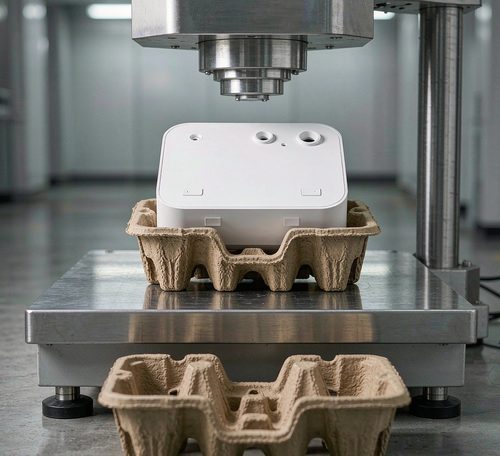
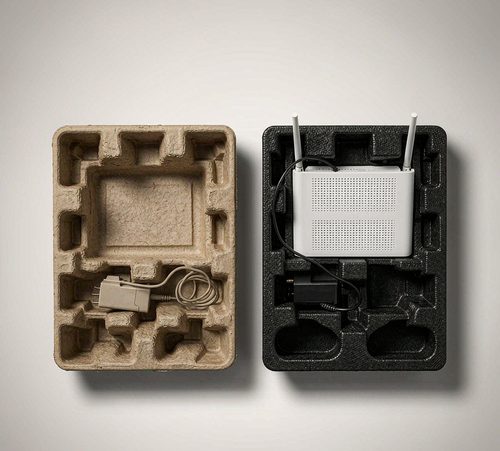
Advancements in molded pulp forming technology have also played a crucial role. High-precision tooling and enhanced forming systems now make it possible to produce intricate, sharply defined packaging structures that once required plastic injection molding. This shift has opened doors for premium packaging designs, especially in markets where visual presentation is as important as protective function. Many luxury and electronics brands have begun replacing foam and plastic inserts with molded pulp solutions that are fully recyclable and biodegradable, yet equally capable of safeguarding delicate products.
Automation has further accelerated the modernization of pulp packaging manufacturing. Integrated systems that oversee pulp preparation, molding, drying, and trimming help factories maintain consistent quality at scale. Automated lines reduce the chance of human error, speed up production cycles, and enable real-time adjustments when conditions change. These improvements have made molded pulp manufacturers more competitive globally, as they are able to deliver higher volumes with uniform quality and predictable lead times.
Another important advancement is the shift toward water-based barrier coatings. These coatings offer improved resistance to oil, moisture, and grease while avoiding the environmental drawbacks associated with solvent-based formulas. Because they are created from natural, food-safe ingredients, they allow molded pulp packaging to enter sectors with stricter regulatory requirements-such as food service and personal care-without sacrificing recyclability or compostability.
The newest frontier in this field involves the integration of smart packaging technologies. With developments in printed electronics and low-cost RFID systems, molded pulp packaging can now incorporate tracking features, authentication tools, and interactive elements. These additions help brands improve supply-chain visibility, fight counterfeiting, and offer consumers new ways to engage with products. What was once a simple protective insert can now serve as a part of a connected, data-driven packaging ecosystem.
Taken together, these innovations demonstrate how quickly the molded pulp industry is evolving. The combination of refined fiber engineering, advanced forming systems, automated production, eco-friendly coatings, and smart technology is pushing paper pulp packaging into a new era-one where sustainability and high performance are no longer competing priorities but complementary strengths. As more companies pursue environmentally responsible strategies, these advancements will continue to shape the future of packaging and reinforce molded pulp as one of the most promising materials for a circular economy.