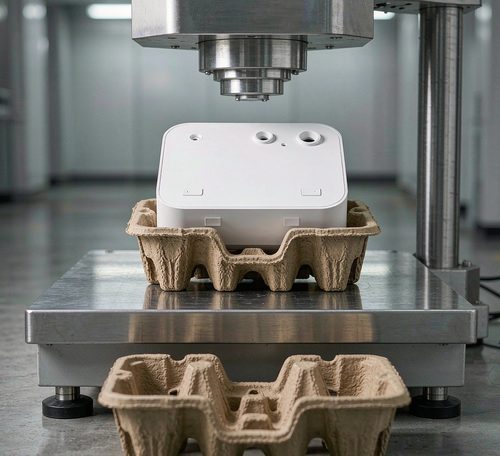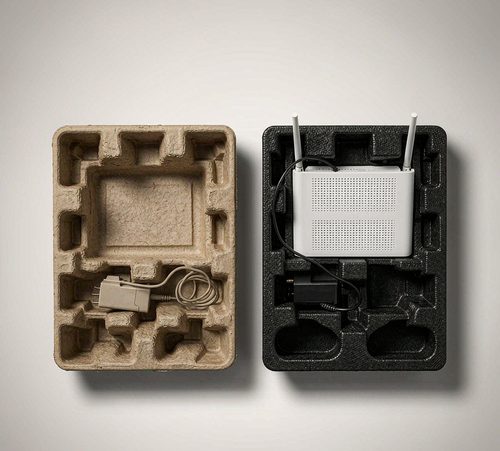

Packaging paper tray is the Chinese name given to a paper plastic packaging product that has become one of the most promising replacements for EPS foam. Its rise is a direct consequence of changes in the packaging market: international bans on polluting packaging products have caused the foam industry to shrink, while soaring oil prices have raised EPS production costs to the point where manufacturers face heavy losses.
The classification of packaging paper trays organizes the product by its end use. Industrial trays protect appliances, computers, machinery and electrical products, using molded cushioning to guard against rough transport. Agricultural trays handle eggs, fruit and vegetables, with shaped pockets that keep items stable and ventilation that preserves freshness. Food trays serve supermarkets and restaurants, offering disposable presentation and takeaway packaging that is safe and recyclable.
A further distinction exists in the production method. Trays formed by wet pressing exhibit smooth surfaces and superior mechanical strength, making them the choice for display quality packaging. Trays formed by dry pressing are produced at lower cost and serve high volume, price sensitive applications. All variants share the core properties of being light, protective and recyclable.
As public policy and market forces continue to work against EPS foam, packaging paper trays will grow further into the mainstream. They combine the protection that foam once offered with the environmental responsibility that modern markets demand. Their full classification gives buyers a clear framework for selecting the ideal paper tray for every packaging need.