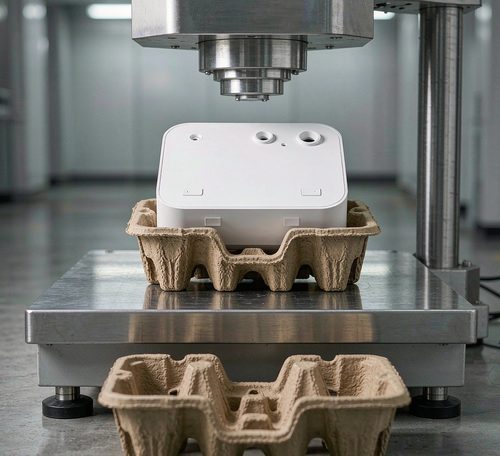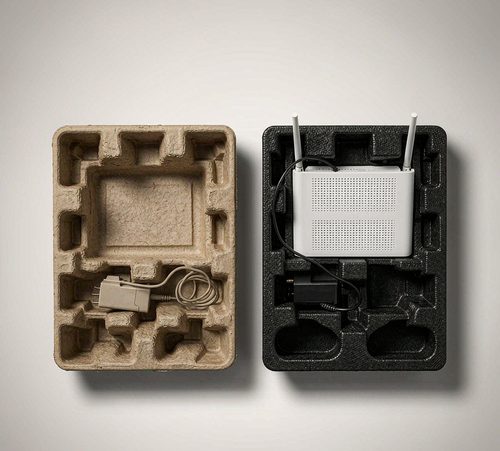

Introduction: In today's world, the need for sustainable packaging solutions has never been more critical. As consumers become increasingly environmentally conscious, businesses are seeking alternatives to traditional packaging materials like plastic. One such solution gaining popularity is molded pulp packaging. This article will shed light on the environmental advantages of molded pulp packaging, highlighting its potential to revolutionize the industry and contribute to a greener future.
Biodegradability and Compostability: Molded pulp packaging stands out for its exceptional biodegradability and compostability. Unlike plastic, which can persist in landfills and oceans for hundreds of years, molded pulp decomposes naturally, returning to the environment as organic matter. This reduces the long-lasting environmental impact of packaging waste and contributes to a healthier ecosystem.
Renewable Raw Materials: The production of molded pulp packaging relies on renewable raw materials, such as recycled paper or agricultural fibers. By utilizing these resources, we can reduce our dependence on non-renewable fossil fuels used in plastic production. The sustainable sourcing of raw materials ensures a more environmentally friendly manufacturing process and contributes to the conservation of natural resources.
Energy Efficiency: Compared to the energy-intensive processes involved in plastic manufacturing, molded pulp production boasts significant energy efficiency. The manufacturing process requires less energy, especially when utilizing recycled paper. By adopting molded pulp packaging, businesses can reduce their carbon footprint, conserve energy, and contribute to a more sustainable future.
Carbon Footprint Reduction: Molded pulp packaging offers a significantly lower carbon footprint than plastic alternatives. With plastic packaging contributing to greenhouse gas emissions and climate change, transitioning to molded pulp can make a substantial difference. By choosing molded pulp, businesses can actively reduce their environmental impact and demonstrate their commitment to a greener planet.
Recycling and Circular Economy: Molded pulp packaging is fully recyclable, meaning it can be transformed into new packaging products after use. This promotes a circular economy, where materials are continually reused, reducing the need for virgin resources. Additionally, molded pulp can be composted, enriching the soil and supporting sustainable agricultural practices. By embracing molded pulp packaging, businesses can contribute to a more efficient and waste-free system.
Conclusion: Molded pulp packaging offers a sustainable and environmentally friendly alternative to traditional packaging materials. Its biodegradability, reliance on renewable resources, energy efficiency, reduced carbon footprint, and recyclability make it a compelling choice for businesses looking to make a positive impact on the environment. By adopting molded pulp packaging, companies can align with consumer demands for sustainable practices, drive positive change, and pave the way towards a greener future.