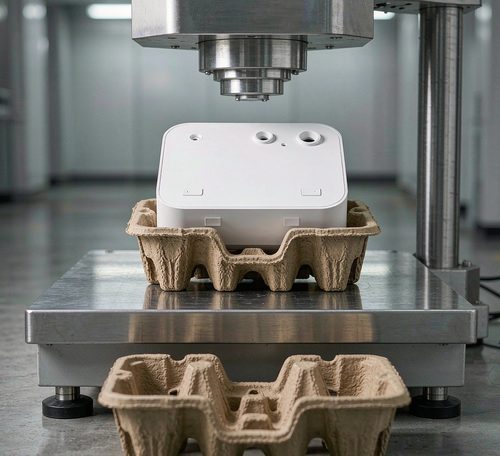

Molded pulp tableware has moved from a niche product to a mainstream choice in food service packaging, and the trend shows no sign of reversing. The technology turns recycled paper into rigid, water-resistant plates and bowls through a molding process that is both energy-efficient and largely free of chemical additives. The result is a disposable product that performs well for hot meals, cold salads and takeaway orders while leaving a much smaller footprint than expanded polystyrene or coated paper cups.
Understanding where the industry is heading requires looking at three forces. The first is technical progress. In this business, product quality is inseparable from manufacturing precision. Companies that keep upgrading their molding lines and refining slurry recipes produce more consistent goods, waste less material and enjoy lower production costs, all of which translate into stronger margins and better price competitiveness. For domestic manufacturers, the technology gap with leading overseas firms remains real, and cooperative development with international partners is often the most practical way to close it.
The second force is structural change. The industry is made up of many small producers, and product standards vary considerably from one factory to the next. As the market matures, larger enterprises will naturally absorb their smaller competitors. Such consolidation helps the sector in several ways: it increases the market share of the strongest players, broadens the variety of products they can offer and enables technology to spread more evenly across the industry.
The third force is market development. No company today holds a dominant position in any major geography, and most producers rely on export orders while their domestic brand remains obscure. The typical causes are modest marketing budgets and limited distribution. Yet the fundamentals favor growth: environmental regulations are becoming stricter in almost every country, and analysts broadly agree that pulp tableware will become a standard item in the food service industry. The companies that invest in recognizable brands and active promotion now will be the ones that convert this regulatory push into a durable competitive advantage.