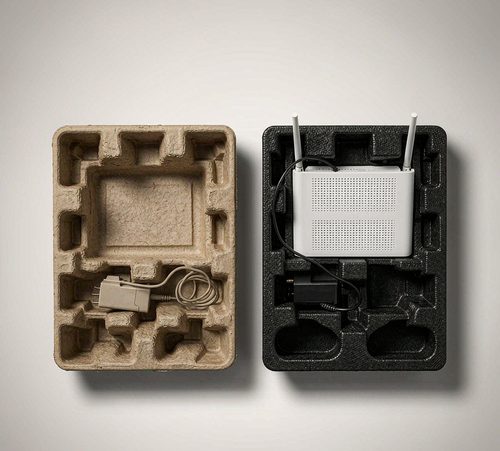

Molded pulp tableware has become one of the clearest beneficiaries of the global movement against single-use plastics. The product itself is straightforward: recycled paper fiber is pressed into the shape of a plate, bowl or tray, dried, and finished with water-resistant treatments where needed. The result is a disposable item that handles hot food, greasy meals and cold beverages with ease, yet breaks down naturally instead of persisting in landfills or oceans.
Competing successfully in this industry depends on managing three areas with equal care. First, production technology. In tableware manufacturing, product quality is a direct function of technical capability. Firms that invest steadily in mold design, process automation and quality control see tangible rewards in the form of lower reject rates and reduced production expenses. Those savings give them room to price aggressively in export markets. Because local technology still lags behind global best practice, many manufacturers are choosing to partner with international technology leaders as a faster route to improvement.
Second, industry consolidation. The molded tableware sector is overcrowded, and the competence of individual companies varies widely. The natural direction of the market is toward fewer, stronger players. When large enterprises acquire smaller ones, they gain additional market share and a more complete product line, while the acquired firms gain access to advanced technology and broader distribution. The industry as a whole becomes more efficient and more consistent in quality.
Third, marketing and brand development. Almost no company in this field has achieved dominant market share, and most producers are better known abroad than at home. This imbalance stems from limited promotional effort and underdeveloped domestic channels. Yet the outlook is strongly positive: environmental regulation continues to tighten worldwide, and market analysts expect pulp tableware to become a mainstream food service product. The opportunity for first movers is clear. Companies that build recognizable brands and invest in customer education today will be in the strongest position to lead the market when demand accelerates.