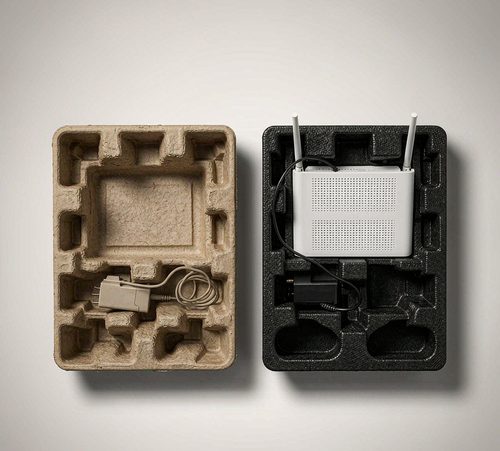

The story of molded pulp tableware is a good example of how environmental regulation can create commercial opportunity. As cities and countries phase out plastic disposables, the food service industry needs a substitute that is affordable in bulk, safe for food contact and kind to the environment. Molded pulp products fit this description unusually well. Made from recycled fiber and shaped by a clean, low-energy molding process, they are strong enough for hot meals and sturdy enough for takeout, and they return to nature after disposal.
For companies in this field, three areas deserve the most management attention. The first is technical capability. Quality in tableware production is determined largely by the manufacturing process: mold geometry, fiber formulation, forming pressure and drying conditions all affect the final product. Companies that invest in better equipment and process control produce fewer defective units and enjoy lower costs, which strengthens their competitive position in price-sensitive export markets. Since the domestic technology base is still developing, alliances with leading foreign manufacturers can dramatically shorten the path to international-quality output.
The second area is market structure. The industry is fragmented, with numerous small producers and inconsistent product quality. The likely direction of travel is consolidation, as major players absorb smaller competitors to expand capacity and product lines. Such integration benefits the entire industry by concentrating resources, standardizing quality and enabling more diversified technology applications.
The third area is brand development. The molded tableware market currently lacks a clear leader, and most producers are far more visible in overseas markets than in their home country. The typical explanation is weak promotion and limited local market development, not poor products. Analysts widely predict that pulp tableware will become mainstream as environmental policy tightens. In this context, companies that invest in brand building and market promotion are making a strategic bet on becoming the recognized leaders of the industry before the market matures.