
Introduction: The molded fiber industry is experiencing significant growth in the food packaging sector as businesses and consumers prioritize sustainable and safe packaging solutions. In this article, we will explore the expanding applications of molded fiber packaging in the food industry, highlighting its benefits in terms of product freshness, eco-friendliness, and regulatory compliance.
Freshness and Product Protection: Molded fiber packaging provides an excellent protective barrier for food products, helping to maintain freshness and extend shelf life. Its shock-absorbing properties help reduce the risk of damage during transportation, ensuring that food items arrive in optimal condition. Molded fiber's breathability allows for proper airflow, preventing condensation and maintaining the desired moisture levels for perishable food items. The packaging's insulation properties also help regulate temperature, preserving the quality and taste of food products.
Sustainable Packaging Solution: Sustainability is a key consideration in the food industry, and molded fiber packaging offers a sustainable alternative to traditional packaging materials. Made from recycled paper and cardboard, molded fiber packaging is renewable, biodegradable, and compostable. It helps reduce reliance on single-use plastics, which contribute to environmental pollution. By choosing molded fiber packaging, food businesses can demonstrate their commitment to sustainability and appeal to environmentally conscious consumers.
Compliance with Food Safety Regulations: Food safety is paramount in the food industry, and molded fiber packaging meets stringent regulatory requirements. The packaging is free from harmful chemicals, such as BPA and phthalates, ensuring that it does not contaminate food products. Molded fiber's natural properties make it resistant to grease and oil, further enhancing its suitability for food packaging applications. Manufacturers adhere to food safety standards, such as FDA regulations, to ensure that the packaging is safe for direct contact with food.
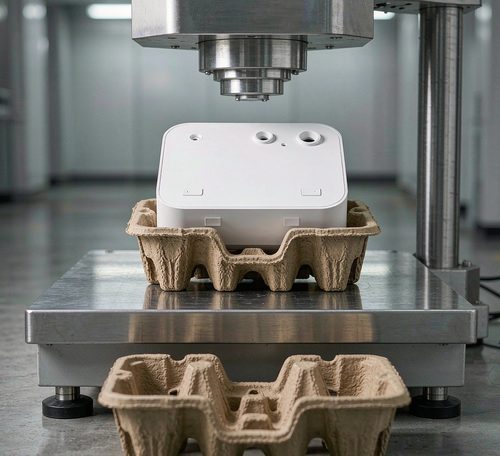
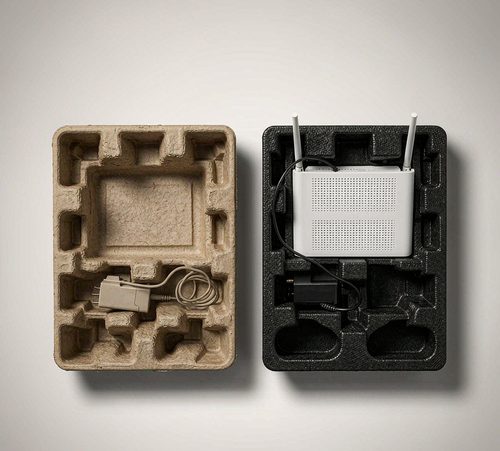
Diverse Packaging Options: Molded fiber packaging offers a wide range of options to accommodate different food products. From trays and clamshells to bowls and cartons, molded fiber can be shaped and formed into various configurations to meet specific packaging needs. The packaging can also be designed with compartments or inserts to separate different food items or prevent cross-contamination. This versatility allows food businesses to package a diverse range of products, including fruits, vegetables, bakery items, and ready-to-eat meals.
In conclusion, the molded fiber industry is experiencing considerable growth in its application within the food packaging sector. With its ability to maintain product freshness, eco-friendly characteristics, and compliance with food safety regulations, molded fiber packaging offers a compelling solution for businesses in the food industry. Its versatility in accommodating various food products, from fruits and vegetables to baked goods and ready-to-eat meals, further expands its appeal. As sustainability becomes increasingly important in the food packaging landscape, the molded fiber industry is well-positioned to meet the evolving demands and shape the future of food packaging with its protective, environmentally-friendly, and adaptable solutions.