
In an era where sustainability is paramount, businesses across various industries are seeking innovative ways to reduce their environmental impact. One such innovation that is gaining widespread recognition is molded pulp inner packaging. These eco-friendly solutions are revolutionizing the way products are protected during transit and stored within packages. In this article, we will explore the numerous advantages of using molded pulp for inner packaging, underscoring its pivotal role in promoting sustainability.
1. Eco-Friendly Material
Molded pulp is primarily crafted from renewable resources, typically recycled paper pulp or sustainably sourced wood fibers. This makes it inherently eco-friendly, as it reduces the demand for virgin materials and helps conserve forests. Unlike plastic foam or Styrofoam, molded pulp does not rely on fossil fuels in its production, further reducing its carbon footprint.
2. Biodegradability and Compostability
One of the standout features of molded pulp is its biodegradability and compostability. When disposed of, it naturally breaks down into organic matter, returning nutrients to the soil. This contrasts starkly with plastics, which persist in the environment for hundreds of years, causing harm to ecosystems and wildlife. Molded pulp not only minimizes waste but also contributes to soil enrichment.
3. Excellent Cushioning and Protection
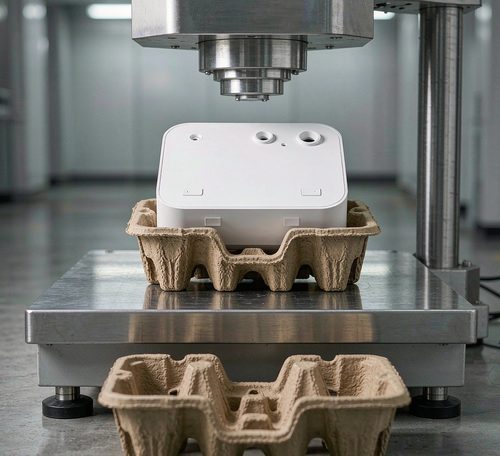
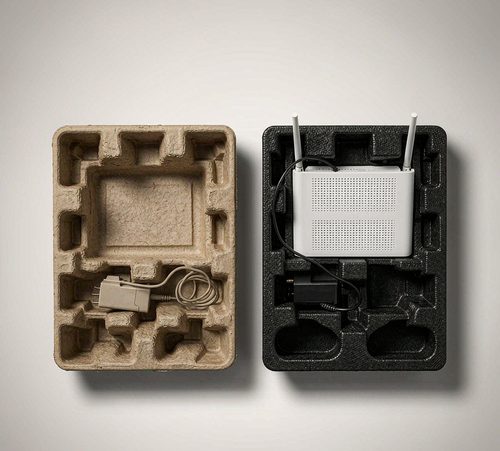
Molded pulp's three-dimensional, custom-fit designs offer superior cushioning and protection for fragile items. Whether it's delicate electronics, glassware, or even food products, molded pulp inner packaging provides a secure environment during transit. This helps reduce product damage and the need for replacements, thus curbing resource consumption and waste.
4. Versatility and Customization
Molded pulp's versatility extends to its ability to be customized for specific products. Manufacturers can design intricate shapes and contours to perfectly cradle items, optimizing protection while minimizing material use. This adaptability suits a wide range of industries, from electronics and cosmetics to automotive and pharmaceuticals.
5. Reduced Packaging Footprint
The lightweight nature of molded pulp compared to traditional packaging materials like plastic or foam translates to lower shipping costs and reduced fuel consumption. This, in turn, contributes to a decreased carbon footprint and cost savings for businesses.
6. Regulatory Compliance and Consumer Appeal
As environmental regulations become more stringent, businesses that adopt sustainable practices are better positioned for compliance. Molded pulp inner packaging aligns with these regulations, demonstrating a commitment to reducing environmental impact. Moreover, consumers increasingly favor products packaged with sustainable materials, creating a competitive edge for companies that choose molded pulp.
Molded pulp inner packaging is ushering in a new era of sustainable packaging solutions. Its eco-friendly composition, biodegradability, and excellent protective qualities make it an ideal choice for businesses looking to reduce their environmental footprint while maintaining product integrity. With its versatility and customization options, molded pulp is adaptable to a wide array of industries and applications. As companies strive to meet the demands of a greener future, molded pulp inner packaging stands as a beacon of sustainability, offering both environmental and economic benefits in equal measure. By embracing this innovative solution, businesses can play a vital role in preserving our planet for generations to come.