
Molded Pulp Packaging and the EU's PPWR: What the New Rules Actually Mean for Brand Owners
Most packaging teams heard about the EU's Packaging and Packaging Waste Regulation the same way - through a vague compliance memo warning that "things are changing in August 2026." Few got a clear answer on what changes, and fewer still got a straight answer on whether their current packaging format is a problem or an advantage. For companies already using or considering molded pulp, the honest answer is: it's mostly an advantage, but not automatically, and not for every reason marketing departments claim.
Regulation (EU) 2025/40 was published in the Official Journal in January 2025 and enters into force on 12 August 2026, replacing the old Packaging Directive that member states had implemented inconsistently for thirty years. Unlike a directive, it applies directly across the EU without national transposition, which is exactly why it's causing more anxiety than previous packaging legislation - there's no waiting for a home-country version to soften the requirements.
What PPWR Actually Requires

Strip away the sustainability language and PPWR comes down to a handful of concrete obligations.
Packaging has to be designed for recycling, assessed against performance grades the Commission is still finalizing through implementing acts. Packaging has to be minimized - Article 10 directs European standards bodies to set maximum limits on weight, volume, wall thickness, and empty space for common packaging formats, and e-commerce parcels specifically can't contain more than 40% empty space unless there's a technical reason it can't be avoided. Food-contact packaging can't contain PFAS above strict thresholds from the same August 2026 date. Recycled content targets phase in over the coming years for plastic packaging specifically. Digital labelling requirements start in 2027. And there's no exemption for small or micro businesses - every company placing packaging on the EU market has registration and reporting obligations regardless of size.
None of this bans molded pulp. None of it specifically favors it either. What it does is remove a lot of the packaging formats that used to compete with molded pulp on price without matching it on recyclability.
Where Molded Pulp Has a Genuine Structural Advantage
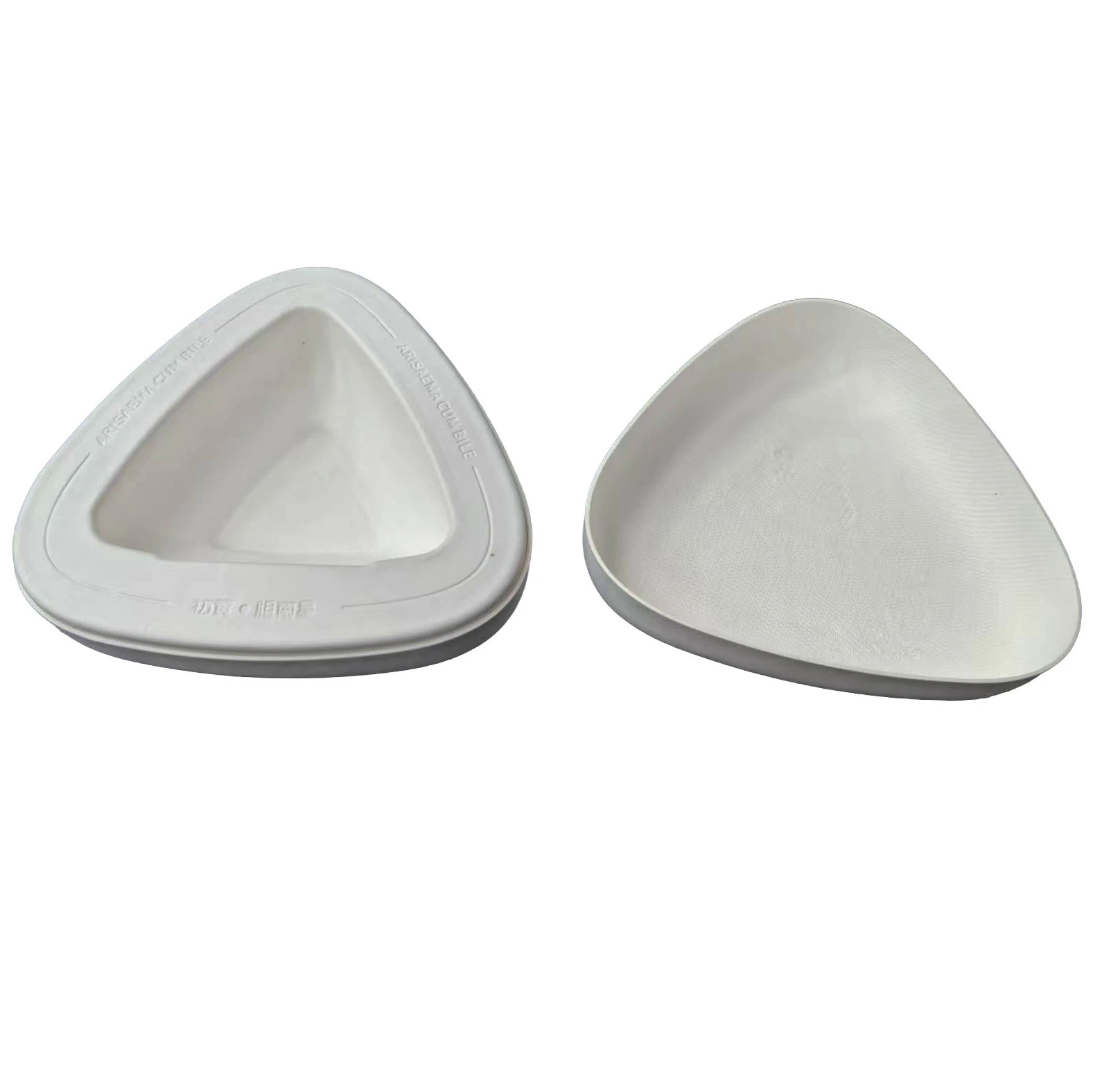
Molded pulp's biggest edge under PPWR isn't that it's "eco-friendly" in the abstract - it's that it's a mono-material product made almost entirely from a fiber stream that Europe already has mature recycling infrastructure for. A lot of the packaging PPWR is designed to phase out is multi-material or composite: plastic-laminated cardboard, mixed-polymer trays, foam bonded to film. Those formats fail design-for-recycling assessments not because the materials are inherently bad, but because separating them at end of life is expensive or technically impractical at scale. An uncoated molded pulp tray doesn't have that problem. It goes into the same paper recycling stream as the box around it.
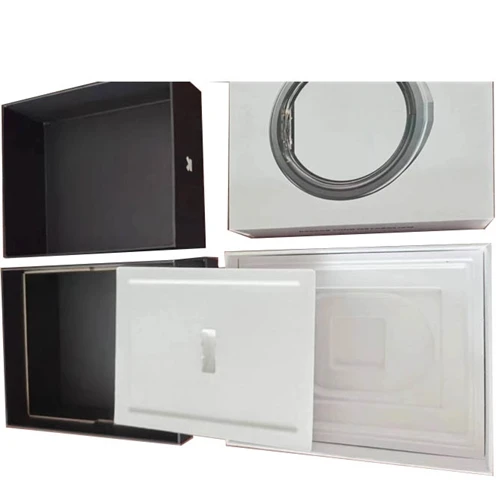
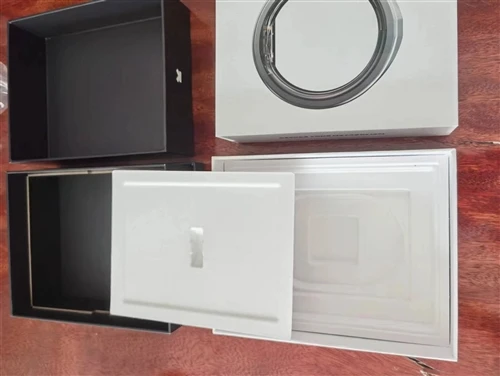
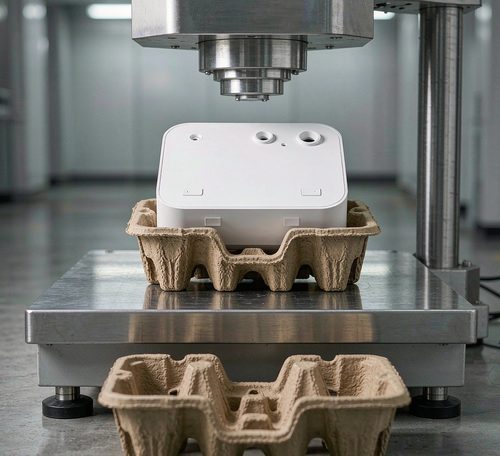
The minimization requirement plays to molded pulp's strengths in a way a lot of buyers haven't connected yet. Because pulp trays are custom-molded to the exact cavity shape of the product, they're one of the more effective tools for hitting the 40% empty-space threshold on e-commerce parcels without resorting to loose fill or oversized boxes. A tray engineered around a specific device or component footprint eliminates the void space that would otherwise need to be padded out with air pillows or bubble wrap - both of which are exactly the kind of packaging PPWR is trying to discourage.
Recycled content is where molded pulp was already ahead before the regulation existed. Most molded pulp on the market is made from recycled paperboard or agricultural fiber byproducts, not virgin material, which means the products already meet a recycled-content standard that plastic packaging is only now being forced to catch up to through phased targets.
The PFAS Question Suppliers Would Rather You Not Ask
Here's the part of the story that gets left out of most sustainability pitch decks: molded pulp isn't automatically PFAS-free. Grease-resistant and moisture-resistant coatings applied to pulp packaging - common in food service applications and not unheard of in industrial packaging exposed to humidity - have historically relied on fluorinated compounds to get that barrier performance. Those are exactly the substances PPWR restricts in food-contact packaging from August 2026, with a low threshold that leaves little room for approximation.
If you're sourcing molded pulp for food-adjacent applications, or if a supplier markets a "water-resistant" or "grease-resistant" pulp product, ask specifically what the barrier coating is made of and request total fluorine test data, not a general assurance. This is a case where the material category has a natural compliance advantage that a specific product within that category can quietly forfeit.
The Compliance Paperwork Doesn't Disappear
Choosing molded pulp reduces your regulatory exposure; it doesn't eliminate the administrative work. You still need documentation proving recycled content claims, still need to register as a producer, still need to track packaging weight and volume data for reporting, and still need to confirm your specific product design actually meets the recyclability performance grade once the Commission finalizes those criteria - a mono-material product is a strong starting position, not an automatic pass.
There's also a narrower point worth flagging for anyone in food service or HORECA specifically: PPWR includes outright bans on certain single-use plastic formats - condiment packets, individual sugar and creamer portions, and similar items - starting in 2030. That provision doesn't apply to most industrial or electronics packaging, but if your product line touches food service at all, it's worth checking Annex V directly rather than assuming molded pulp sidesteps every future restriction by default.
What This Is Actually Worth to a Packaging Buyer
The direct financial value shows up in a few places that aren't always obvious from the regulation text itself. Extended Producer Responsibility schemes in several EU member states already apply eco-modulated fees - lower payments for packaging that's genuinely recyclable and mono-material, higher payments for composite or hard-to-recycle formats. A pulp tray that qualifies for a lower EPR fee tier is a recurring cost saving, not a one-time compliance checkbox.
There's also a real cost-avoidance argument in not having to redesign packaging twice. Brands that stayed on composite or foam-laminate formats through 2025 are now facing redesign projects on a compressed timeline before the August 2026 deadline. Brands that had already moved to mono-material fiber packaging - for cost or supply chain reasons that had nothing to do with PPWR - are mostly just documenting what they already had.
A Practical Checklist Before You Assume Compliance
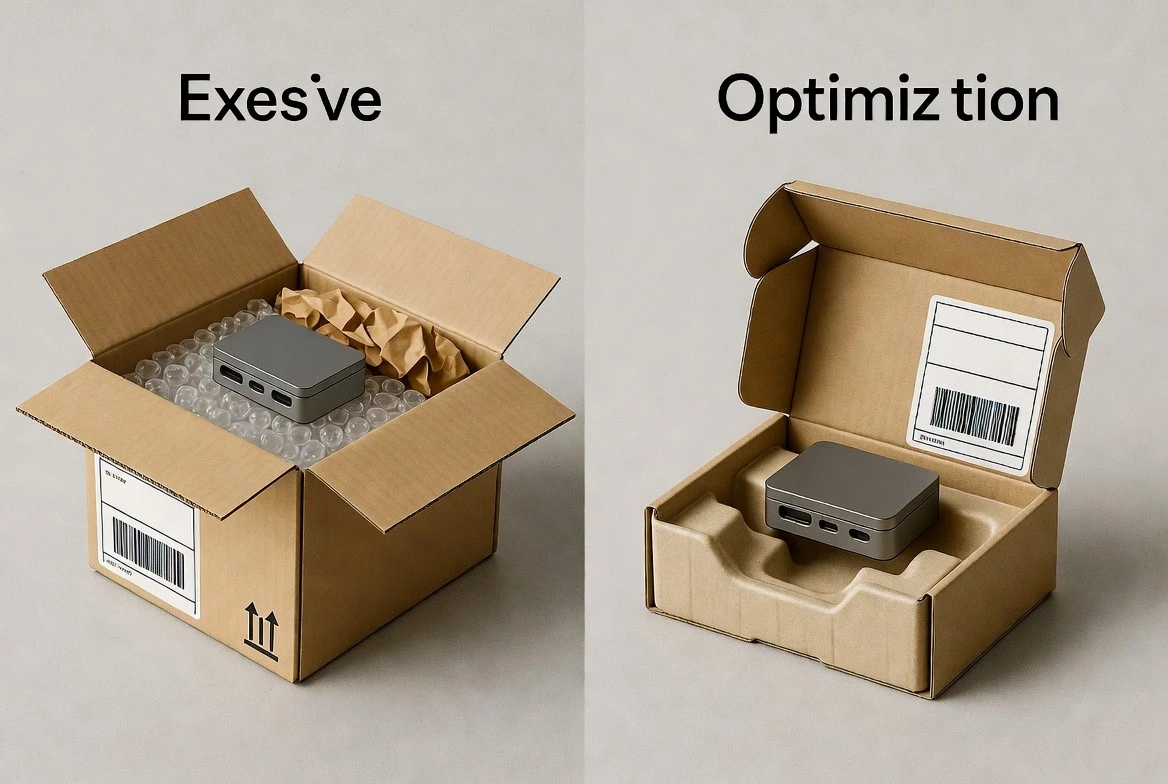
Before treating molded pulp as a compliance solution rather than just a good packaging choice, confirm the specifics with your supplier: whether the product is genuinely uncoated or coated, and if coated, what the coating is made of and whether fluorine test data exists; the actual recycled fiber content percentage, in writing, not as a marketing claim; whether the tray design has been engineered to minimize empty space for your specific product, or whether it's a generic tray that happens to be close enough; and whether the supplier can support your producer registration documentation with the material and weight data regulators will eventually ask for.
Frequently Asked Questions
Does the EU's PPWR require companies to switch to molded pulp packaging? No. PPWR doesn't mandate a specific material. It sets performance requirements around recyclability, minimization, and chemical safety that composite and multi-material packaging formats often struggle to meet, which is why molded pulp and other mono-material fiber packaging have become a practical default response rather than a legal requirement.
Is all molded pulp packaging PFAS-free under PPWR? Not automatically. Uncoated molded pulp typically has no PFAS content, but coated pulp - particularly grease- or moisture-resistant variants - may contain fluorinated compounds unless the supplier specifically formulates and tests for a PFAS-free coating. This should be confirmed with documentation rather than assumed.
When does PPWR actually take effect? The regulation entered into force in February 2025, with most operative provisions, including design and packaging minimization requirements and the PFAS restriction for food-contact packaging, applying from 12 August 2026. Some elements, including digital labelling and certain single-use plastic bans, phase in later, through 2027 and 2030 respectively.
Does PPWR apply to small businesses and non-EU exporters? Yes. PPWR does not provide a general exemption for small or micro enterprises, and any company placing packaging on the EU market - including non-EU manufacturers exporting into the EU - has registration and compliance obligations under the regulation.