
1. Pulp and paper tray moulding wet pressing process
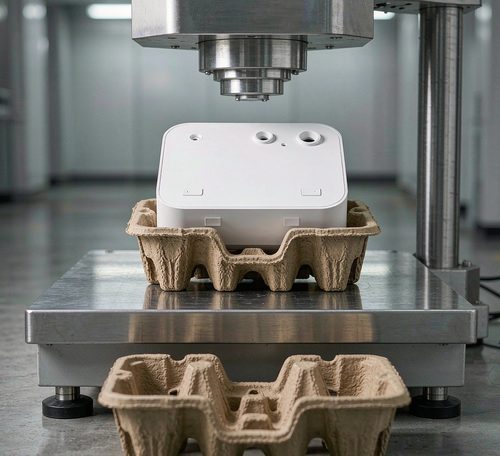
The wet pressing process refers to the process of injecting the slurry into the forming mold through a pipeline after the pulp is crushed, and then the excess water is absorbed by vacuum to form a wet embryo and then immediately transferred to the hot pressing forming mold for rapid extrusion and drying;
Advantages of the wet pressing process: The wet pressing process has high production efficiency for environmentally friendly tableware, which is transferred and shaped immediately after forming, and the production speed is fast; the wet pressing process has a moisture content of about 65-75%, a high moisture content, and a longer vacuum adsorption time; The surface of the degradable tableware products produced by the wet pressing process is smooth and delicate, beautiful and beautiful; the disposable lunch boxes produced by the wet pressing process have thinner walls, higher density and save volume;
Disadvantages of the wet pressing process: it is not easy to draw or demold the disposable lunch box products with a small slope; the product with a small R angle or a small slope has a higher breaking rate; it consumes a large amount of heat energy.
Application fields of wet pressing paper tray technology:
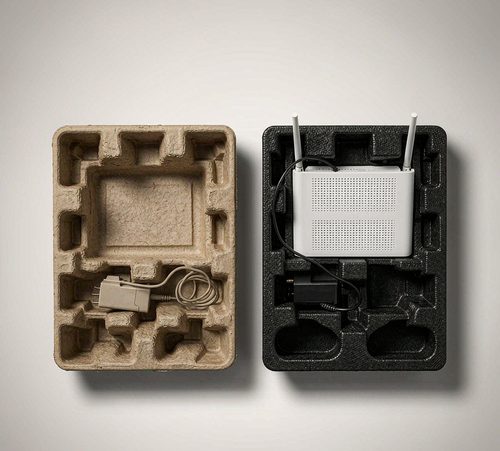
1. High-quality work bags, also called high-end paper-plastic work bags, are mainly molded products with smooth and beautiful outside formed by wet compression molding. These products are mostly suitable for high-end electronic lining boxes, high-end razor packaging boxes, High-end clothes packaging boxes, glasses cases, etc., such products require extremely high precision, beautiful appearance, and higher added value than other ordinary wet-pressed products.
In order to be more beautiful and increase the added value of the packaged products, such products can also be printed in color to better display the packaging effect.
2. Food packaging containers, also referred to as disposable degradable tableware, generally refer to wet-compression molded products such as plates, bowls, boxes, cake dishes, etc., which contain food, and are generally made of plant fibers such as wheat straw, sugar cane, etc. Add food grade water and oil repellent dosage.
It can be used in daily catering, hotel dine-in, food delivery, etc. Such products require microorganisms and heavy metals to meet food-grade requirements. They are produced in dust-free workshops and have a clean and beautiful appearance.
3. Medical paper trays, mainly wet-pressed products, are mostly used for the storage of registered equipment and drugs. They are required to be produced in a dust-free workshop. The microorganisms must be controlled in accordance with medical standards and dust-free and vacuum-sealed.
4. Amusement toys refer to masks, painted toys, etc., which can be produced by two processes of semi-dry pressing and wet pressing. The outside surface is required to be smooth, and the applied dyes can be better retained, making the hand feel more delicate and smooth. .
z. Dry pressing process of paper tray pulp molding
Dry pressing process means that after pulping, the slurry is injected into the forming mold through a pipe, the excess water is absorbed by vacuum to form a wet embryo, and the moisture of the wet embryo is reduced to about 40% by natural drying or through a special drying channel. The process of shaping and molding, which is mostly used to produce low-grade pulp egg trays, pulp work bags and other products.
Advantages: low thermal energy consumption, reducing energy consumption; mostly pulp products, recyclable waste paper, low cost and low price; thicker product thickness, good shock and pressure resistance; packaging electronic products can prevent static electricity;
Disadvantages: dry-pressed products (including semi-dry-pressed products) have rough surface and poor aesthetics; the wall thickness is thicker, which takes up a larger volume;
Application areas of dry pressing process:
1. Ordinary work bag, generally refers to the lining, egg tray, fruit tray of low-end electronic products produced by the dry pressing process of yellow pulp. The product is rough, and its main function is shock resistance and pressure resistance, and does not require high aesthetics.
2. Agricultural packaging mainly refers to flower pots, seedling cups, egg trays, etc. Most of these products are produced by the dry pressing process of yellow pulp and newspaper pulp. Such products have low hygiene requirements and require product stiffness. Not high, but requires better waterproof performance.
3. Medical packaging, dry pressing is mainly used in places with lower requirements such as bedpans, urinals, and kidney-shaped discs. 1. Pulp and paper tray moulding wet pressing process
The wet pressing process refers to the process of injecting the slurry into the forming mold through a pipeline after the pulp is crushed, and then the excess water is absorbed by vacuum to form a wet embryo and then immediately transferred to the hot pressing forming mold for rapid extrusion and drying;
Advantages of the wet pressing process: The wet pressing process has high production efficiency for environmentally friendly tableware, which is transferred and shaped immediately after forming, and the production speed is fast; the wet pressing process has a moisture content of about 65-75%, a high moisture content, and a longer vacuum adsorption time; The surface of the degradable tableware products produced by the wet pressing process is smooth and delicate, beautiful and beautiful; the disposable lunch boxes produced by the wet pressing process have thinner walls, higher density and save volume;
Disadvantages of the wet pressing process: it is not easy to draw or demold the disposable lunch box products with a small slope; the product with a small R angle or a small slope has a higher breaking rate; it consumes a large amount of heat energy.
Application fields of wet pressing paper tray technology:
1. High-quality work bags, also called high-end paper-plastic work bags, are mainly molded products with smooth and beautiful outside formed by wet compression molding. These products are mostly suitable for high-end electronic lining boxes, high-end razor packaging boxes, High-end clothes packaging boxes, glasses cases, etc., such products require extremely high precision, beautiful appearance, and higher added value than other ordinary wet-pressed products.
In order to be more beautiful and increase the added value of the packaged products, such products can also be printed in color to better display the packaging effect.
2. Food packaging containers, also referred to as disposable degradable tableware, generally refer to wet-compression molded products such as plates, bowls, boxes, cake dishes, etc., which contain food, and are generally made of plant fibers such as wheat straw, sugar cane, etc. Add food grade water and oil repellent dosage.
It can be used in daily catering, hotel dine-in, food delivery, etc. Such products require microorganisms and heavy metals to meet food-grade requirements. They are produced in dust-free workshops and have a clean and beautiful appearance.
3. Medical paper trays, mainly wet-pressed products, are mostly used for the storage of registered equipment and drugs. They are required to be produced in a dust-free workshop. The microorganisms must be controlled in accordance with medical standards and dust-free and vacuum-sealed.
4. Amusement toys refer to masks, painted toys, etc., which can be produced by two processes of semi-dry pressing and wet pressing. The outside surface is required to be smooth, and the applied dyes can be better retained, making the hand feel more delicate and smooth. .
2. Dry pressing process of paper tray pulp moulding
Dry pressing process means that after pulping, the slurry is injected into the forming mold through a pipe, the excess water is absorbed by vacuum to form a wet embryo, and the moisture of the wet embryo is reduced to about 40% by natural drying or through a special drying channel. The process of shaping and molding, which is mostly used to produce low-grade pulp egg trays, pulp work bags and other products.
Points: less heat consumption, reducing energy consumption; mostly pulp products, recyclable waste paper, low cost and low price; thicker product thickness, good shock and pressure resistance; packaging electronic products can prevent static electricity;
Disadvantages: dry-pressed products (including semi-dry-pressed products) have rough surface and poor aesthetics; the wall thickness is thicker, which takes up a larger volume;
Application areas of dry pressing process:
1. Ordinary work bag, generally refers to the lining, egg tray, fruit tray of low-end electronic products produced by the dry pressing process of yellow pulp. The product is rough, and its main function is shock resistance and pressure resistance, and does not require high aesthetics.
2. Agricultural packaging mainly refers to flower pots, seedling cups, egg trays, etc. Most of these products are produced by the dry pressing process of yellow pulp and newspaper pulp. Such products have low hygiene requirements and require product stiffness. Not high, but requires better waterproof performance.
3. Medical packaging, dry pressing is mainly used in places with lower requirements such as bedpans, urinals, and kidney-shaped discs.