
Pulp molded furniture is divided into two categories
1. According to the requirements of craftsmanship, directly mold into some kind of simple furniture.
2. The assembly of the molded furniture components is suspended after the connecting parts, and the functional requirements of the furniture are completed.
Raw material configuration: Molded furniture mainly uses waste paper and waste cardboard as raw materials. Newspapers, periodicals, books, various packaging papers, office paper, advertising paper, paper boxes, etc. are all raw materials. The raw materials are beaten with water, and then the pulp, auxiliaries, additives, etc. are mixed in a certain proportion and then processed by deletion, selection, purification, etc., and mixed into a pure pulp with a certain concentration.
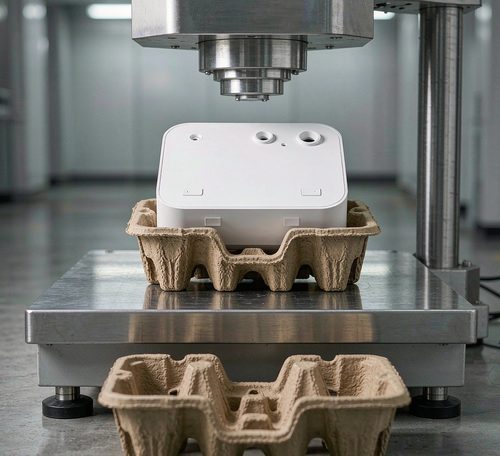
Process flow: waste paper sorting→pulping→purification→sizing→slurry glue preparation→pressure forming→dehydration→monotonous→furniture parts
1. Additives. During the consumption process of pulp molded furniture products, add appropriate amount of additives according to the material properties required by the furniture, and design reasonable support ribs. The additives are:
2. The strengthening agent improves the compressive and flexural strength of the product, so that the strength and tensile force of the product are significantly improved, the physical properties are improved, and the flatness is also improved.
3. The colloid makes the product tough and does not shrink or deform, and improves the water resistance of the product.
4. Pigments, add colored pigments according to the color requirements of the product.
5. Insect repellent, play a role in preventing insects.
6. Elastic additives, increase the elasticity of the parts.
What are the design ideas of pulp molded furniture?
1. The biggest advantage of pulp molding is that it has less impact on the environment, so it is often selected as the ideal material for environmentally friendly products.
2. Untreated pulp generally has two types of brown and gray. Brown pulp is generally processed from kraft paper. Gray pulp is synthesized from recyclable printing paper. In contrast, brown pulp has better strength and recoverability.
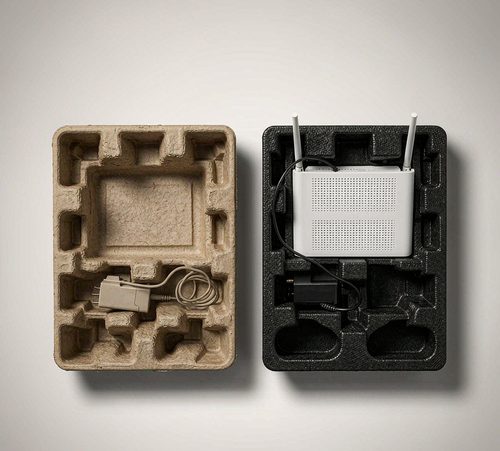
3. Pulp molded products are in the form of thin shells.
4. Products that are monotonously formed in the air are lubricated on one side (the side that fits the mold), and the other side is rough, so product details are usually added on the smooth surface (the side that fits the mold), such as logos and explanatory texts.
5. The wet pressing method can improve the appearance quality of waste products; while the hot pressing method improves the appearance quality, it will reduce the permeability of the product.
Green design and humanized design are the themes of future furniture design. While using waste paper to produce molded furniture parts, we must also comprehensively consider the negative impact of the pulp molded furniture consumption process to seek advantages and avoid disadvantages. Really complete the green design and humanized design of pulp molded furniture products.