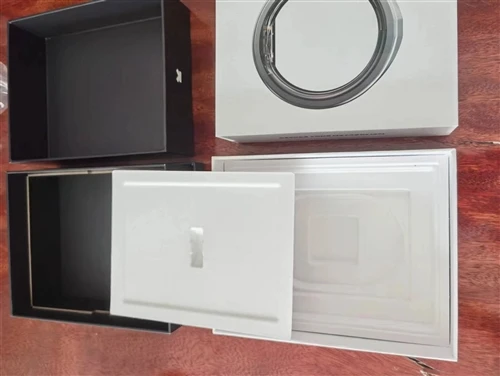

In recent years, there has been a significant shift in consumer preferences towards eco-friendly and sustainable packaging solutions. One material that has gained substantial traction is molded pulp packaging. Derived from recycled paper waste or natural fibers, molded pulp packaging offers numerous advantages, including its eco-friendliness, versatility, and protective properties. This article explores the key aspects and growing significance of molded pulp packaging in various industries.
Eco-Friendliness and Sustainability
Molded pulp packaging stands out as a sustainable alternative to traditional packaging materials like plastic and Styrofoam. It is manufactured using recycled paper waste or agricultural fibers, making it biodegradable and compostable. Additionally, the production process involves minimal energy consumption and generates fewer greenhouse gas emissions compared to conventional packaging materials. As a result, molded pulp packaging helps reduce the environmental impact associated with packaging waste.
Versatility and Customization
One of the significant advantages of molded pulp packaging is its versatility. The manufacturing process allows for customization and the creation of packaging solutions that precisely fit the product's shape and size. Molded pulp can be molded into various forms, such as trays, containers, clamshells, and cushioning inserts. This versatility makes it suitable for a wide range of industries, including electronics, appliances, food and beverage, cosmetics, and healthcare.
Protective Properties
Molded pulp packaging provides excellent protection for fragile and delicate products. The material's unique structural design and shock-absorbing properties help safeguard items during shipping and handling. The ability to create custom molds ensures that products are securely cradled, reducing the risk of damage or breakage. This makes molded pulp packaging an ideal choice for protecting electronic devices, glassware, ceramics, and other sensitive goods.
Cost-Effectiveness and Efficiency
Contrary to the common perception that sustainable packaging is more expensive, molded pulp packaging offers cost-effectiveness and efficiency benefits. The raw materials used in its production are often readily available and cost-efficient. Additionally, molded pulp packaging can be manufactured in high volumes using automated processes, reducing labor costs. Its lightweight nature also helps minimize shipping costs, as it contributes less to the overall weight of the packaged product.
Regulatory Compliance and Consumer Appeal
With increasing regulatory scrutiny and consumer demand for sustainable practices, molded pulp packaging helps businesses align with environmental regulations and meet consumer expectations. Many countries have implemented regulations and initiatives to encourage the use of eco-friendly packaging materials, leading to a rise in the adoption of molded pulp packaging. Moreover, sustainable packaging choices have become a key factor for consumers when making purchasing decisions, driving companies to opt for environmentally responsible alternatives.
Conclusion
Molded pulp packaging has emerged as a compelling solution in sustainable packaging practices. Its eco-friendly nature, versatility, protective properties, cost-effectiveness, and compliance with regulatory standards make it an attractive choice for various industries. As businesses strive to reduce their carbon footprint and meet consumer demands, the molded pulp packaging industry is expected to witness significant growth and innovation. By embracing this environmentally conscious packaging solution, companies can contribute to a greener future while safeguarding their products during transit.