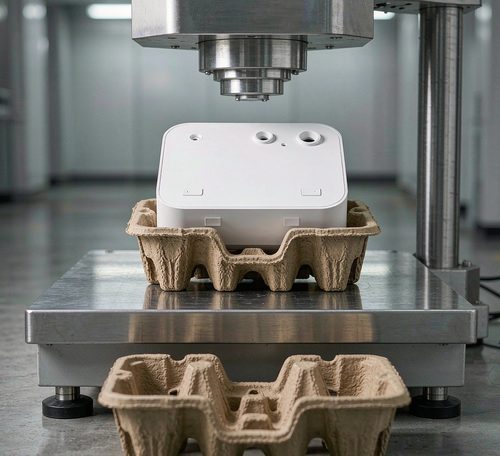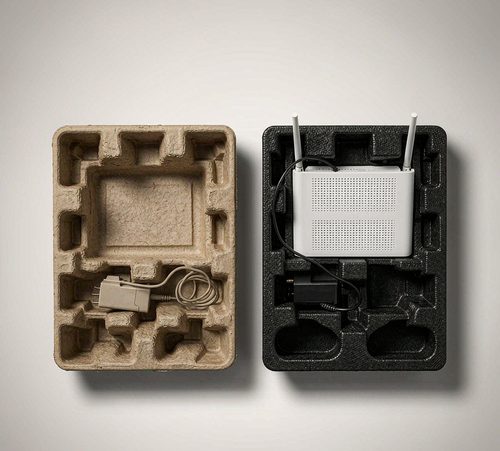

The term environmental friendly package is often used loosely, but paper trays give it real substance. These trays represent packaging that is harmless to the environment and to human health, can be reused and regenerated, and aligns with the goals of sustainable development. The concept has two dimensions that work together: protecting the environment and saving resources. Protection is the core goal, while resource conservation supports it by reducing the amount of material and energy required for packaging.
Paper trays are made from recycled paper, which gives them a decisive advantage over conventional packaging. The production of paper trays uses waste that would otherwise be discarded, reducing the burden on landfills. The trays themselves can be recycled after use, extending the life of the fiber they contain. And when they eventually enter the waste stream, they degrade naturally without leaving toxic residues.
The practical qualities of paper trays make them suitable for demanding applications. They absorb shock and vibration during transport, protecting fragile contents. They resist moisture, keeping products dry in humid conditions. They are strong enough to support stacked loads, making efficient use of warehouse and shipping space.
The broader significance of paper trays lies in their contribution to sustainability. Every tray made from recycled paper reduces the demand for new raw materials. Every tray that is recycled keeps waste out of landfills. Every tray that biodegrades avoids the long-term pollution caused by plastics. For companies that take environmental responsibility seriously, paper trays are one of the most effective packaging choices available.