
Paper trays and foam plastic products are both widely used in packaging, but they could hardly be more different in terms of materials, performance and environmental impact. Understanding these differences helps buyers make the right choice.
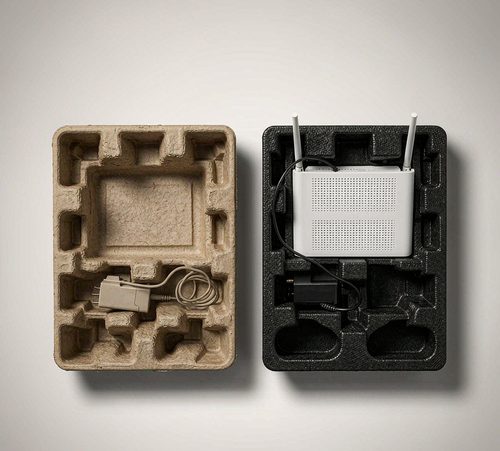
The most fundamental difference is the raw material. Paper trays are made from recycled waste paper, which is easy to reprocess and does not pollute the environment. Products packaged in paper trays are easier to export because they meet the environmental standards of most countries. EPS foam, by contrast, is a petroleum by-product that is difficult to degrade and has little recycling value. It accumulates in landfills and creates the white pollution problem that has become a global concern.
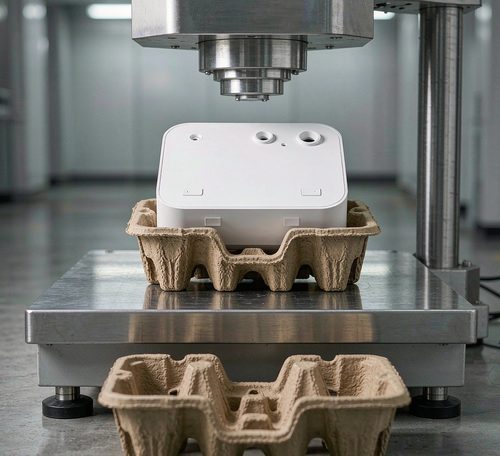
The second difference is versatility. Paper tray technology has advanced to the point where most small and medium-sized industrial products that previously relied on foam lining can now use paper trays instead. The range of applications covers electronics, appliances, food, agriculture and many other sectors.
The third difference is storage efficiency. Paper trays can be stacked and nested, which reduces storage space by as much as two-fifths compared with EPS products. This translates directly into lower warehousing and transportation costs.
The fourth difference is static electricity. EPS foam generates static when it rubs against surfaces, which can damage sensitive electronic components. Paper trays are far less prone to static buildup, making them the safer choice for electronics packaging.
Beyond these points, paper trays offer good shock absorption, moisture resistance and heat insulation. They are also cheaper to produce in many cases, because the raw material is readily available waste paper. For companies that want packaging that protects their products, satisfies environmental regulations and controls costs, paper trays are the superior choice.