
The Short Answer: Yes, for Most Appliances
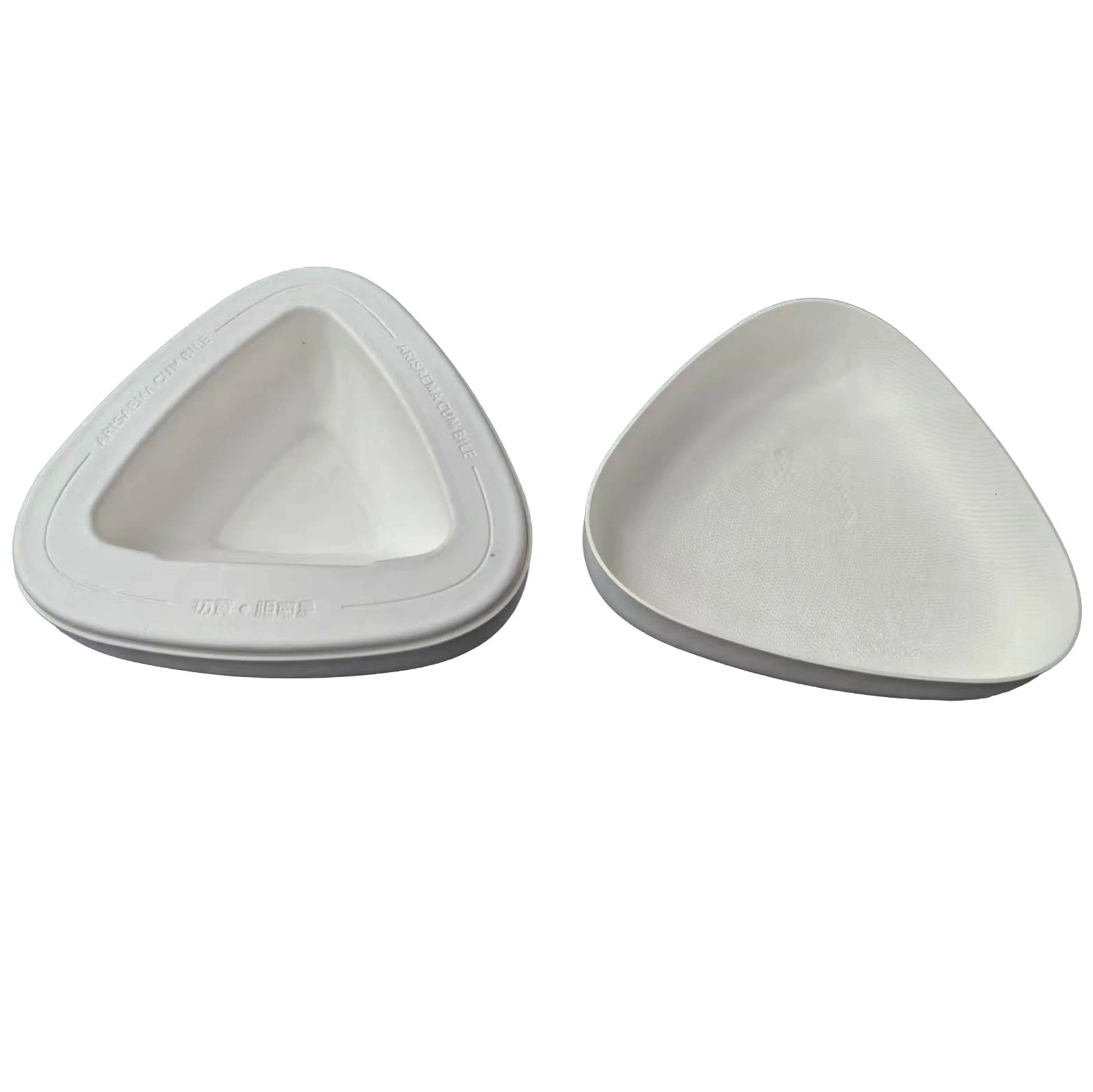
Molded pulp isn't flimsy paper. It's a structured cushioning material that absorbs impact and carries stacked loads, with honeycomb-style designs supporting up to around 50 kg per square meter. That's why it already replaces foam in plenty of demanding shipping jobs: edge guards and corner protectors hold TVs in place, molded endcaps cushion speakers, and shaped cavities lock small appliances down so they can't shift in transit.
For an after-sales shipment, that protection is exactly what you need. The unit is cradled, the corners are guarded, and the load spreads instead of concentrating on one fragile point.
Why It's a Natural Fit for Returns and Warranty
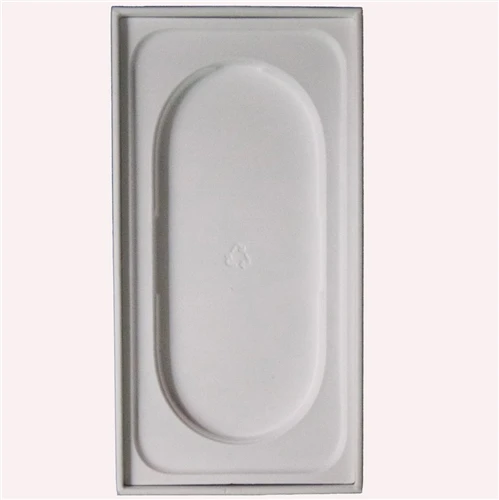
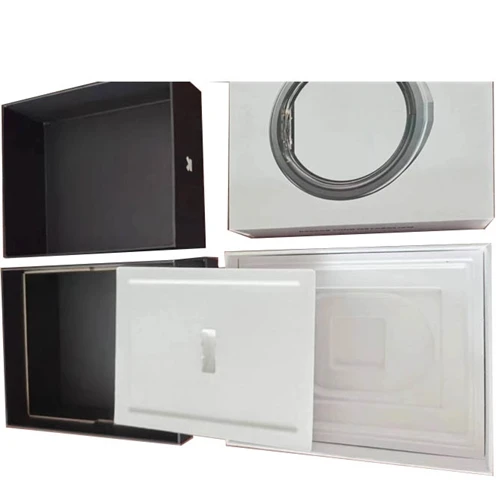
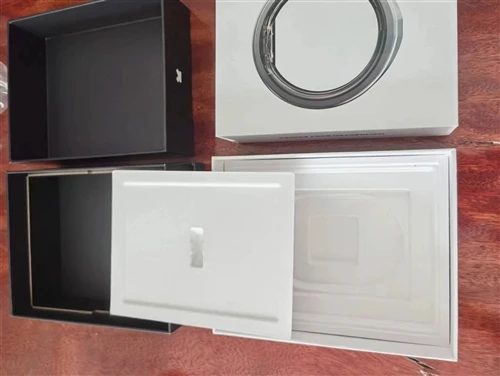
Here's the part that makes molded pulp especially smart for after-sales work. The same insert that shipped the product out can often be reused to ship it back. Because a well-designed fiber insert holds its shape, a customer can repack the unit in the original molded tray for a return or warranty claim, and you avoid sourcing a second round of packaging.
That reusability quietly trims cost and waste at the same time, which is a rare combination. A reusable Green Molded Pulp Packaging insert does double duty across the product's first and second journeys.
Molded Pulp Inserts vs. Foam Inserts
It wouldn't be an honest guide without the trade-off. When a product is extremely fragile, high in value, or has delicate polished or electronic surfaces, custom foam still cushions better. Foam lets you fine-tune density and cavity shape for precision shock absorption that pulp can't quite match. Molded pulp wins on recyclability, compostability, storage footprint, and cost at volume.
So the choice tracks with the product. A rugged small appliance is a great pulp candidate. A delicate, high-value precision unit may justify foam, or a combination of the two.
Feature | Molded Pulp Inserts | EPS Foam Inserts |
Reusable for returns
| Yes, with a durable design
| Limited
|
Recyclable and compostable
| Yes
| Rarely (low recycling rate)
|
Cost at volume
| Competitive
| Lowest upfront
|
Protection for ultra-fragile items
| Good
| Excellent
|
Storage and shipping footprint
| Stackable, compact
| Bulky
|
Designing Inserts That Protect
Good protection is a design job, not just a material choice. A few principles make the difference:
1. Fit the contours. Shape the cavity to the product so it can't shift or rattle.
2. Reinforce the corners. Most drop damage hits corners and edges, so build those up.
3. Leave room to crush. Cushioning works by absorbing energy, so design crushable zones that take the hit instead of the product.
4. Control wall thickness. Match the wall to the weight, thicker for heavier units, so the insert doesn't collapse or feel flimsy.
Get these right and a fiber insert performs like a purpose-built protector, because that's exactly what it is.
A Real Example
A [small appliance] brand in [region] was buying foam twice, once to ship and again for returns, and still seeing transit damage on the way back. They asked sunhingstones for a fiber insert that could do both jobs.
We designed a contoured insert with reinforced corners that the customer could reuse for warranty returns. Over [X months], return damage dropped and the brand cut its after-sales packaging spend by [X percent]. (sunhingstones packaging was recognized at [ESTA / industry event] for [award or standout feature], which reflects our focus on protective, sustainable design.)
Frequently Asked Questions
Q: Can molded pulp protect heavy appliances?
A: Yes. Molded pulp absorbs impact and carries stacked loads, which is why it already protects TVs, speakers, and small appliances in shipping. Edge guards and corner protectors handle the high-stress points.
Q: Are molded pulp inserts reusable for returns?
A: Often, yes. A durable, well-designed insert holds its shape, so customers can repack the unit in the same tray for a warranty return, which saves a second round of packaging.
Q: Molded pulp or foam, which protects better?
A: Foam cushions ultra-fragile, high-value items better thanks to tunable density. Molded pulp protects most appliances well while adding recyclability and lower storage cost. Match the choice to the product.
Q: Will molded pulp survive shipping drops?
A: Designed properly, yes. Contoured cavities, reinforced corners, and crushable zones absorb drop and vibration energy so the product stays protected.
Q: Can you custom-fit inserts to my product?
A: Yes. Molded Pulp Inserts are tooled to your product's exact shape, with wall thickness matched to its weight.
Talk to Us About Your After-Sales Packaging
If you want one insert that ships the product out and brings it back safely, send us the dimensions and weight, and we'll design a contoured fiber insert and prototype it. Reach out to a molded pulp packaging manufacturer for a custom design, samples, or a wholesale quote
Contact now