
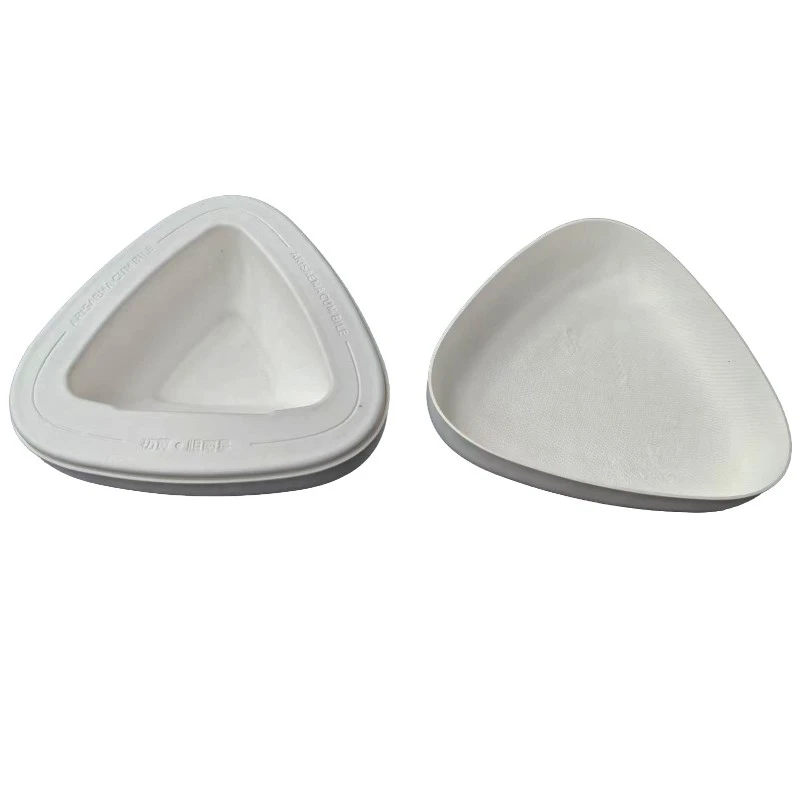
Quick answer: Molded pulp technology is moving in five directions in 2026: industrial-scale fiber bottles, non-wood raw materials, dry molding, regulation-driven design, and capacity investment by pulp producers. Together they push molded fiber from a niche eco-option toward mainstream plastic replacement.
Key Takeaways
Pulpex opened its first commercial fiber bottle facility with initial capacity of up to 40 million units a year. Packaging Europe
Z1ro developed molded fiber from bamboo residues, hemp hurd and fallen leaves, aimed at replacing plastic trays, foam inserts and virgin wood pulp. Packaging Insights
Ence's molded pulp project at its Navia plant is on schedule, with €12 million committed to phase one. Renewable Energy Magazine
Analysts project the global molded fiber packaging market to grow from USD 4.53 billion in 2026 to USD 8.82 billion by 2036, a 6.9% CAGR. Yahoo Finance
1. Fiber Bottles Move From Pilot to Factory
For years, molded pulp meant egg cartons and electronics cushioning. The bottle was the hard problem: it needs precise shape, a good barrier, and consistent quality at volume.
That is why the news from Glasgow matters. Pulpex has moved from pilot-scale production to its first commercial facility, with initial capacity of up to 40 million units per year. The company's CEO described the step as moving from proving the technology to proving the industrial model. For buyers, this signals that shaped fiber packaging can be produced at consumer-goods volumes, not just in prototypes. Packaging Europe
2. Non-Wood Fibers Reduce Dependence on Virgin Wood Pulp
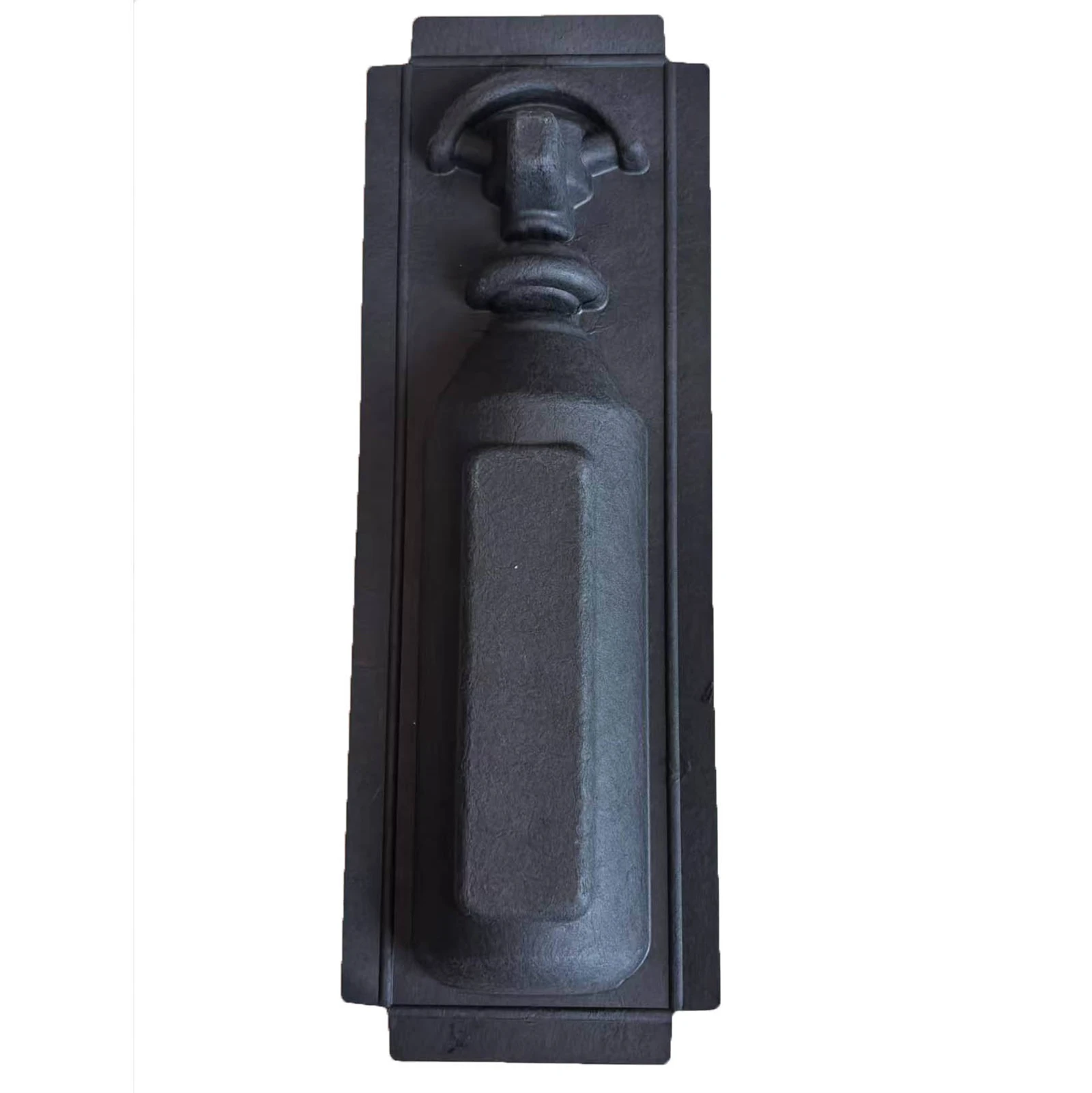
Raw material is the next frontier. France-based Z1ro combines cellulose fibers with locally available bamboo residues, hemp hurd and fallen leaves, and says these blends ran successfully on automated industrial thermoforming equipment. Packaging Insights
Two points stand out:
Lignin retention. Z1ro's process preserves part of the natural lignin in plant fibers as a binder, which the company says can lower processing intensity. Packaging Insights
Existing lines. The material is said to be compatible with current molded fiber production lines. This matters for factories, because a new material that fits existing equipment avoids major retooling. Packaging Insights
These are company claims based on preliminary assessments, so buyers should request test data before committing. Still, the direction is clear: agricultural residues are becoming a serious feedstock. For manufacturers in bamboo- and bagasse-rich regions such as Asia, this trend is especially relevant.
3. Dry Molded Fiber Is Gaining Attention
Traditional wet-pressed pulp molding uses large volumes of water and energy for drying. Dry molding takes a different path. Swedish company PulPac pioneered a process that forms cellulose fibers into 3D shapes without water, and showed plastic-like fiber bottle caps at Interpack 2026. Zipform Packaging in Australia has also signed on to develop dry molded fiber meat trays, with R&D funding from Meat & Livestock Australia. GVPak
Dry molding is not a replacement for wet molding. Thick-walled protective packaging and cushioning still suit wet-press and transfer-molded methods. Think of the two as complementary tools, with dry molding aimed at thin, plastic-like parts such as caps and lids.
4. Regulation Is Now a Design Brief
The EU's Packaging and Packaging Waste Regulation (PPWR) is shaping material choices. Z1ro argues that precisely fitted inserts reduce packaging volume and that fiber-based designs are compatible with paper recycling, both of which align with PPWR priorities. Packaging Insights
Food-contact applications face a further issue. One industry guide notes that PPWR introduces tiered PFAS limits for food-contact packaging starting August 2026, so suppliers need PFAS-free barriers or third-party test results. The same source adds that delegated acts on recyclability and labeling are still rolling out, and the definition of "recyclable in an economically viable way" will be refined through 2027. GVPak
What this means for exporters: keep PFAS-free documentation and test reports ready, and ask your supplier how barrier coatings are handled. Rules are still evolving, so verify current requirements for your target market before shipping.
5. Pulp Producers Are Entering Molded Pulp
The supply chain is also shifting. On October 14, Ence inaugurated three projects at its Navia plant in Spain, and reported that its molded pulp project, a step toward replacing plastic food packaging, is progressing on schedule. When a pulp producer invests directly in molded products, it signals long-term confidence in the category and may change raw material supply and pricing. Renewable Energy Magazine
What This Means for Wet-Press Packaging
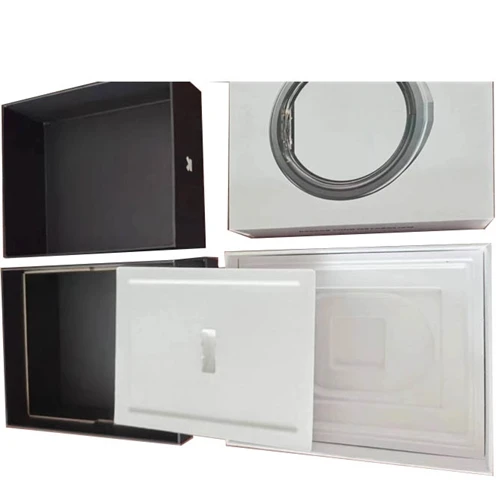
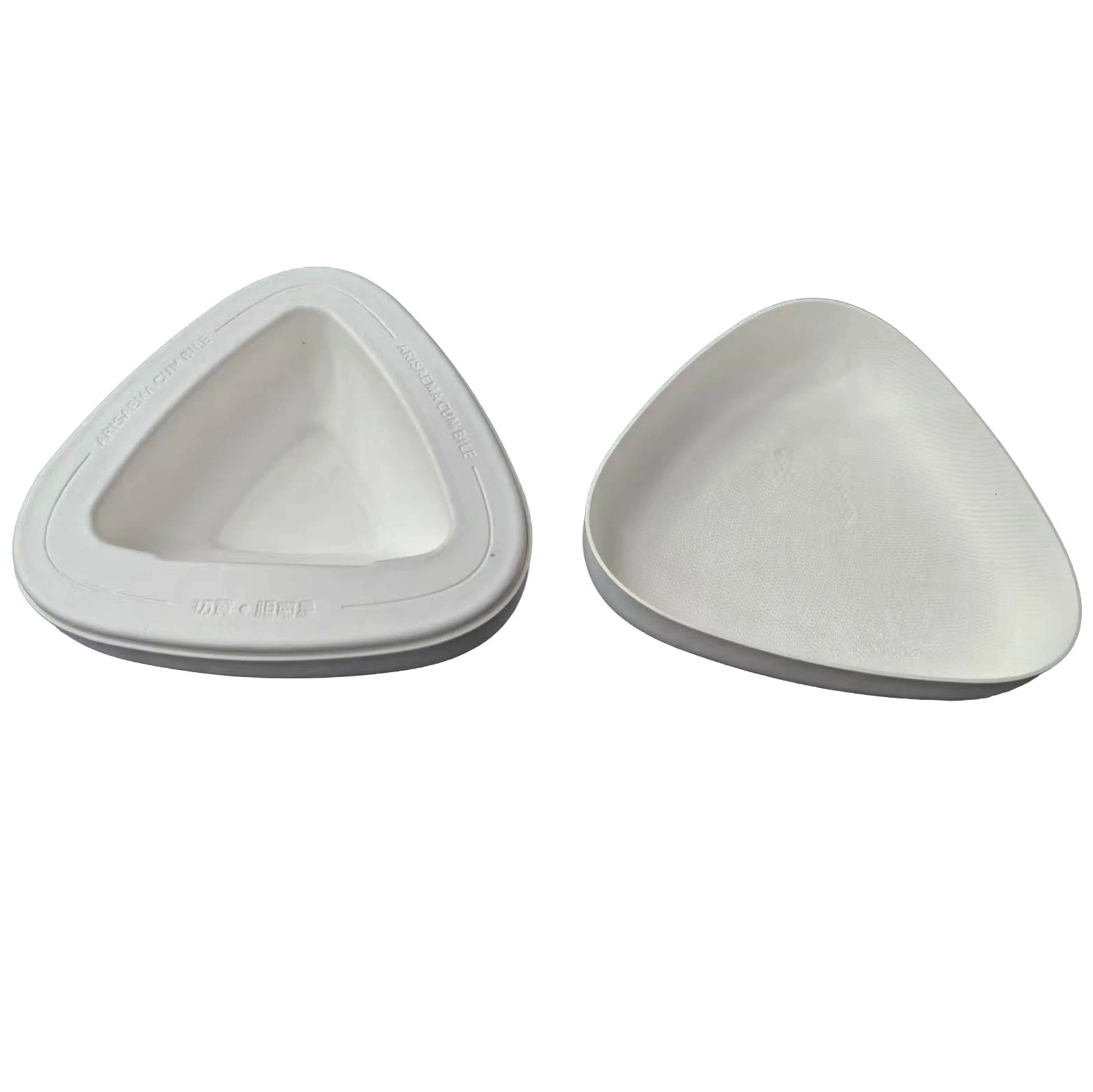
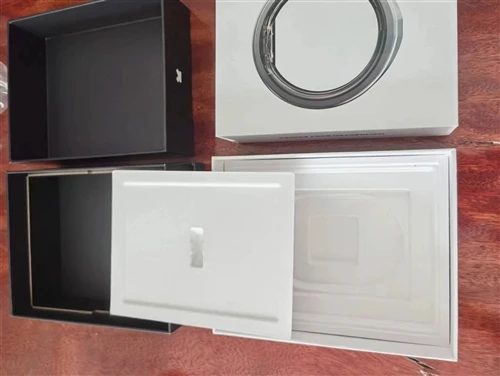
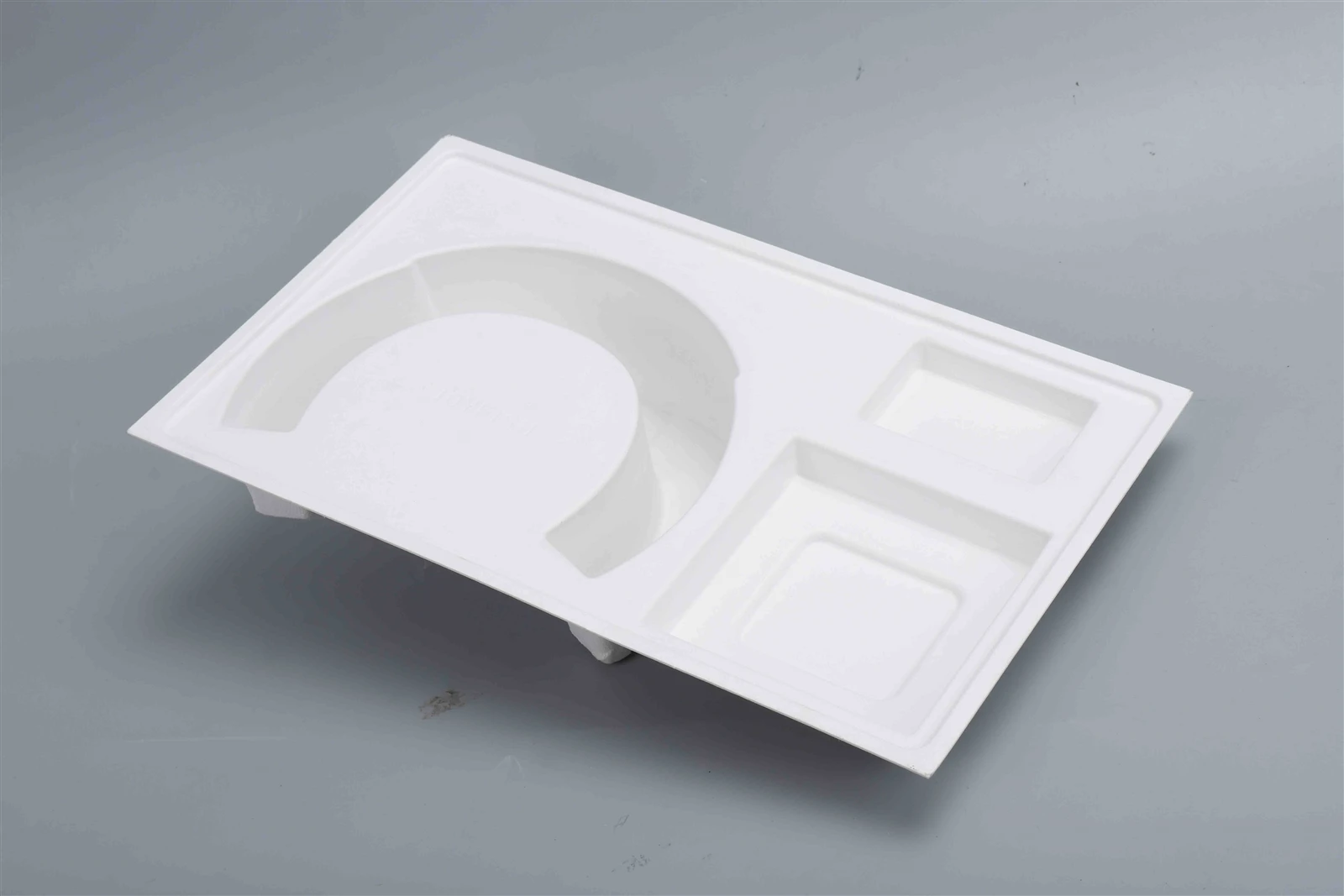
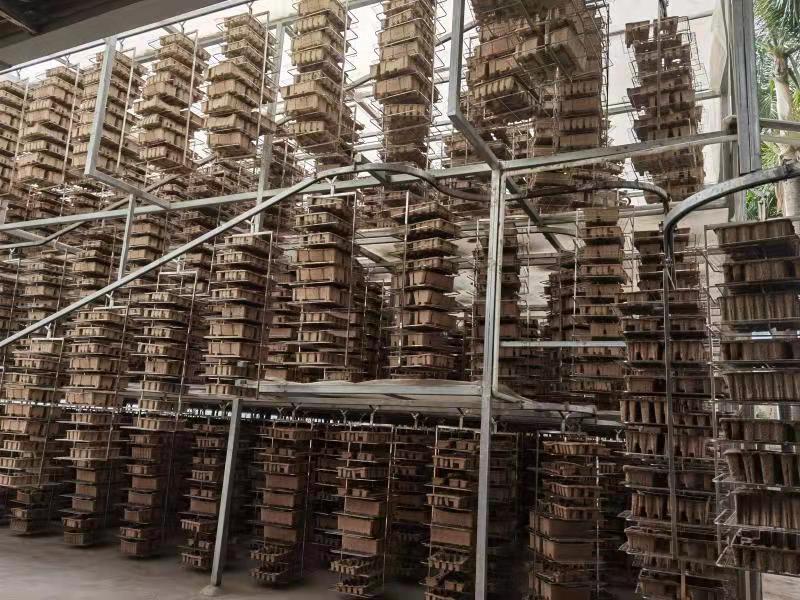
At Hesheng, we manufacture wet-press molded pulp for cosmetics, electronics and glass bottles. For these protective, thick-walled applications, the most practical takeaways are material traceability and documented test results. Buyers can learn how to check the latter in our guide to reading a molded pulp packaging test report, and see how the material compares in our look at molded pulp trays vs. EPE foam.
Where the Market Is Heading
Forecasts put transfer molded technology at about 58% of demand, valued for strength, smooth surfaces, dimensional accuracy and thin-wall capability. Food and beverage remains the largest application, and medical trays are gaining traction. Yahoo Finance
Market forecasts vary by research firm, so treat any single figure as a directional estimate.
FAQ
What is molded pulp technology?
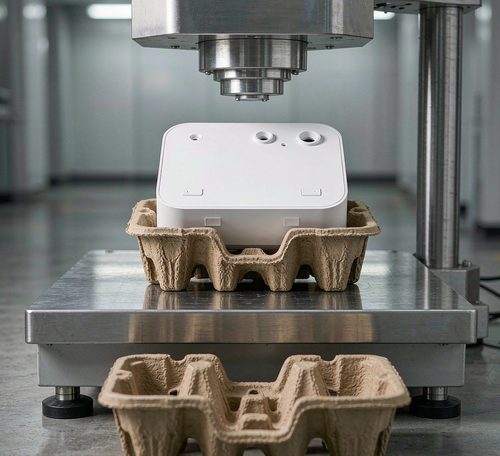
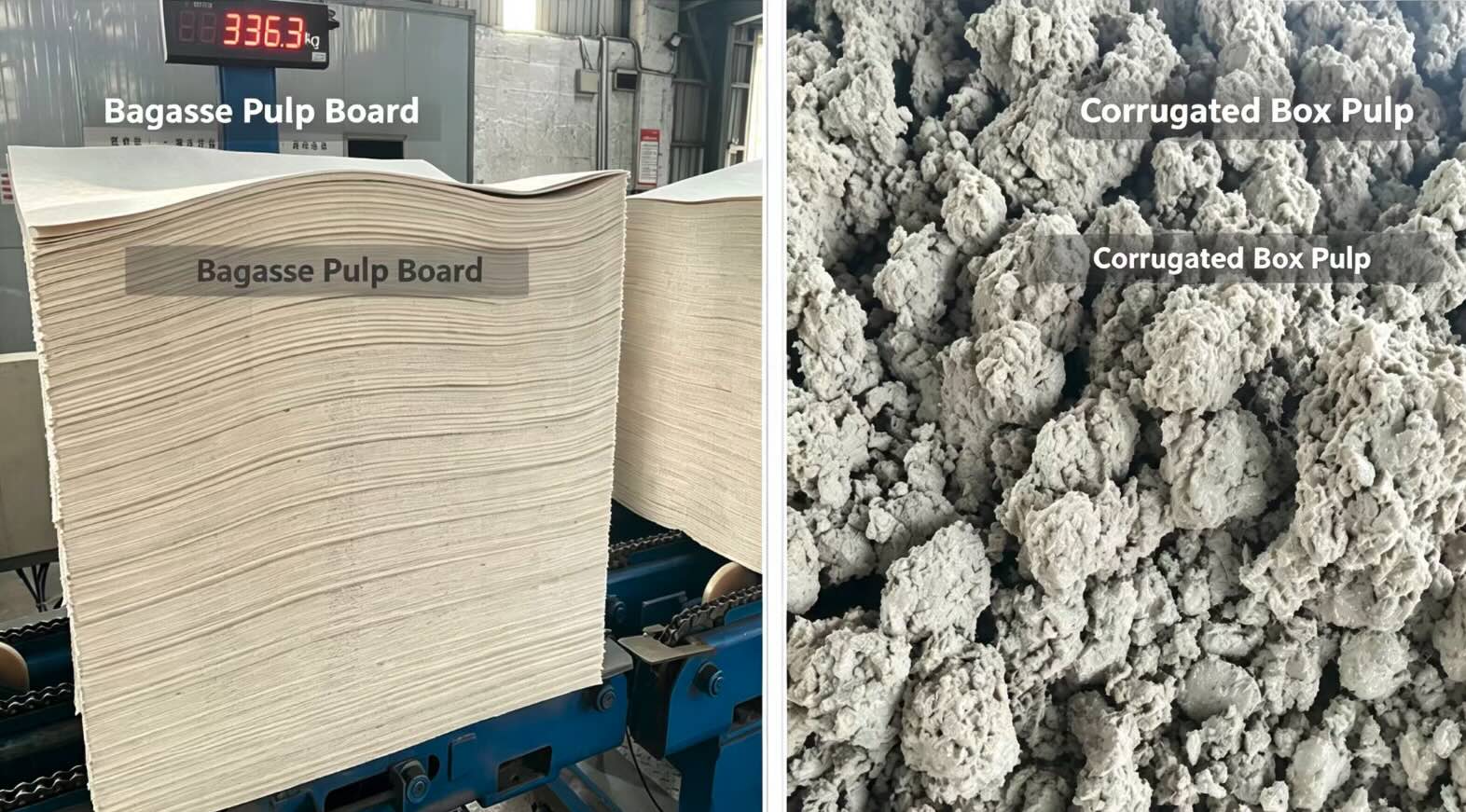
It forms pulp fibers, from wood, bagasse, bamboo or recycled paper, into shaped packaging using molds, heat and pressure. Products include trays, inserts, cups and bottles.
Is molded pulp packaging recyclable?
Fiber-based designs are generally compatible with paper recycling, but results depend on coatings and barriers. Check local recycling rules and your supplier's test data.
What is the difference between wet-press and dry molded fiber?
Wet-press forms the shape from a pulp slurry and then dries it. Dry molding forms fibers into shape without water. Wet-press suits thicker protective parts, while dry molding targets thin, plastic-like parts.
Can molded pulp replace plastic?
In many applications, yes, such as electronics inserts, food trays and cosmetic packaging. High-barrier uses, such as liquids, still require careful engineering and testing.
Conclusion
The molded pulp news of October 2026 points one way: the technology is scaling, raw materials are diversifying, and regulation is raising the bar for proof. Buyers who ask about material sources, barrier compliance and production capacity now will be better placed as plastic-replacement demand grows.
Looking for custom wet-press molded pulp packaging? Contact Hesheng for samples and a quote.
Sources: Packaging Europe (Oct 8, 2026); Packaging Insights (Oct 12, 2026); Renewable Energy Magazine (Oct 14, 2026); Future Market Insights via PR Newswire; GVPak industry guide.