
1. The moulded pulp's environmental protection gene: sustainability throughout the complete chain, from raw materials to degradation
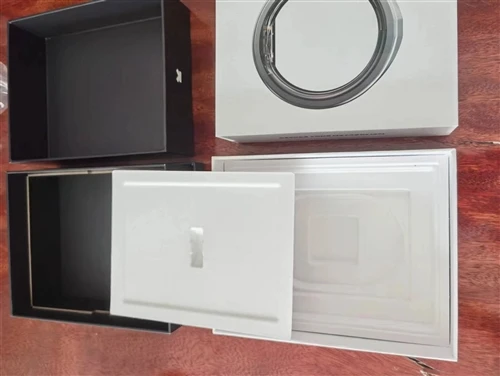
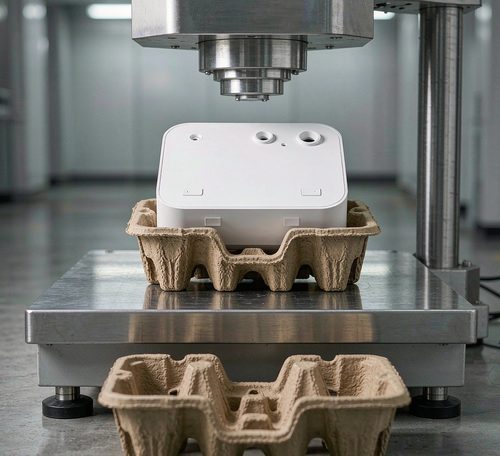
The way moulded pulp is made and the materials it is made from provide it environmental significance. Sugarcane bagasse, bamboo fibre, and recycled paper are some of the key basic resources it uses. These materials can be used again and again in a short amount of time, and they don't need to be cut down from native trees. Guangxi Qiaowang Paper Mould Products Co., Ltd., for example, uses the area's plentiful sugarcane bagasse to turn agricultural waste into high-end packaging materials. This not only cuts down on the cost of raw materials, but it also recycles resources. The moulded pulp is made using water-based moulding technique, so there is no need to apply chemical adhesives. You can recycle the wastewater and exhaust gas, and the carbon emissions are just one-third of what they are with regular plastic packaging. For example, the moulded paper pulp lining used in the Huawei Mate 60 Pro phone packaging has saved over 2 million yuan in annual operating costs for just one product. It has also cut down on energy use and emissions during shipping.
More importantly, moulded pulp's ability to break down fully tackles the problem of plastic pollution. Plastic packaging that is made in the traditional way takes hundreds of years to break down in nature. Moulded pulp goods, on the other hand, can break down fully into organic fertilisers in about 3 to 6 months when buried normally. This creates a closed loop of "coming from nature and going back to nature." This zero emission feature over the entire lifecycle gives moulded pulp a "safety label" for electrical businesses to follow worldwide environmental rules.
2. A double breakthrough in performance and cost: this makes moulded pulp more useful.
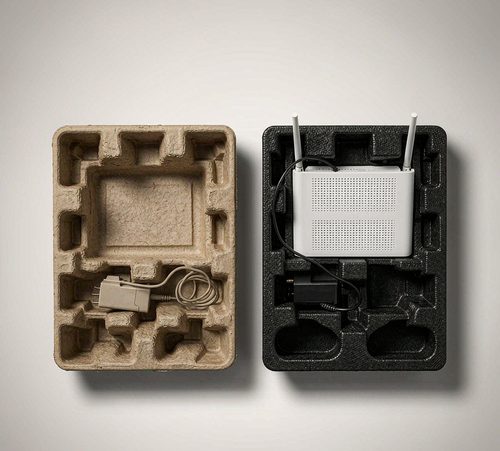
In the past, it was hard to sell eco-friendly materials because they didn't work well or were too expensive. But moulded pulp has changed that with new technology. By improving fibre processing technology and introducing eco-friendly reinforcing agents, moulded pulp's compressive strength and buffering performance have both gotten a lot better. The moulded paper pulp has slowly taken the role of the plastic cushioning package on Lenovo laptops, for example. The product damage rate will go down by 15% and customer satisfaction will go up a lot after 100% replacement by 2024. Also, moulded pulp can be designed in a way that makes it anti-static, moisture-proof, and mold-proof, which meets the needs of electronic equipment for precise protection.
Moulded pulp is cheaper to create in big quantities and with fewer steps, which makes it a good choice for business. The integrated moulding technique gets rid of steps like cutting, mounting, and bonding that are common in traditional packaging. It also doesn't need extra foam lining. A certain brand of mobile phone says that moving to moulded pulp packaging cuts storage and shipping costs by 25%, packaging volume by 30%, and saves more than one million yuan a year for each product. As 3D mould printing technology has improved, the time it takes to make a mould for moulded pulp has been cut in half. This makes it even easier for small and medium-sized orders to get started.
3. Brand premium and market recognition: moulded pulp's commercial value release
Moulded pulp has become a key way for electronic firms to show that they care about the environment as more and more people make decisions based on their values. Its natural fibre texture and printed surface give the brand a unique display space that adds value to the goods in every way, from touch and vision to environmental protection ideas. For instance, the Apple Beats Studio Pro earbuds come in packaging made entirely of fibre (bamboo fibre and sugarcane bagasse). This shows the company's dedication to "carbon neutrality" and also improves the brand's tone by using high-end materials. The moulded pulp packaging for the limited edition Usmile Smile Plus electric toothbrush gift box in the Year of the Loong caused a "environmental boom" on social media, and sales went up 40% year-on-year during the Spring Festival.
The capital market's growing interest in eco-friendly packaging is also speeding up the change of electrical brands. Companies that employ moulded pulp packaging are more likely to get loans and keep customers under ESG (Environmental, Social, and Corporate Governance) investment requirements. Market research firms say that by 2026, the global market for moulded pulp packaging for electronics will be worth more than 800 million US dollars, growing at a pace of 12% per year. This is far faster than the growth of traditional packaging materials.
4. Industry standard and supply chain synergy: creating an environment for moulded pulp
For electronic firms to use moulded pulp, they need to work together to come up with new ideas in the supply chain. Dongguan Licheng Paper Products Co., Ltd. is one of the top companies that offers "creative design, mould research and development, and large-scale production" as part of its integrated services. These services cover everything from consumer electronics to high-end beauty products for brands like Huawei, Xiaomi, and Lenovo. Its proprietary structures make moulded pulp packaging shock- and drop-resistant, and its wet pressing method and complicated curved surface forming technology make the surface fineness of moulded pulp packaging equal to that of typical plastics. Also, companies like Zhejiang Zhongcheng and Fujian Nanwang have established a full product line that includes both dry and wet pressing methods by combining their resources and bringing in new technologies. This meets the different cost and performance criteria of electronic brands.
Better policies and standards are also speeding up the process of making things more standard in the sector. The "Green Evaluation Specification for Pulp Moulding Products" in China clearly says that green products must meet four main criteria: resource attributes, environmental attributes, energy attributes, and quality attributes. For example, the renewable raw material addition rate must be ≥ 15% and the energy consumption per unit product must be ≤ 1000kgce/t. These standards give electrical businesses a way to choose suppliers based on numbers, which helps moulded pulp become more popular.