
1. Material properties: The benefits of using natural fibers in mechanical systems
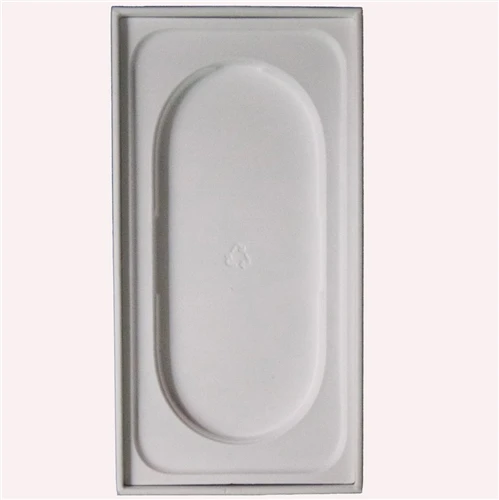
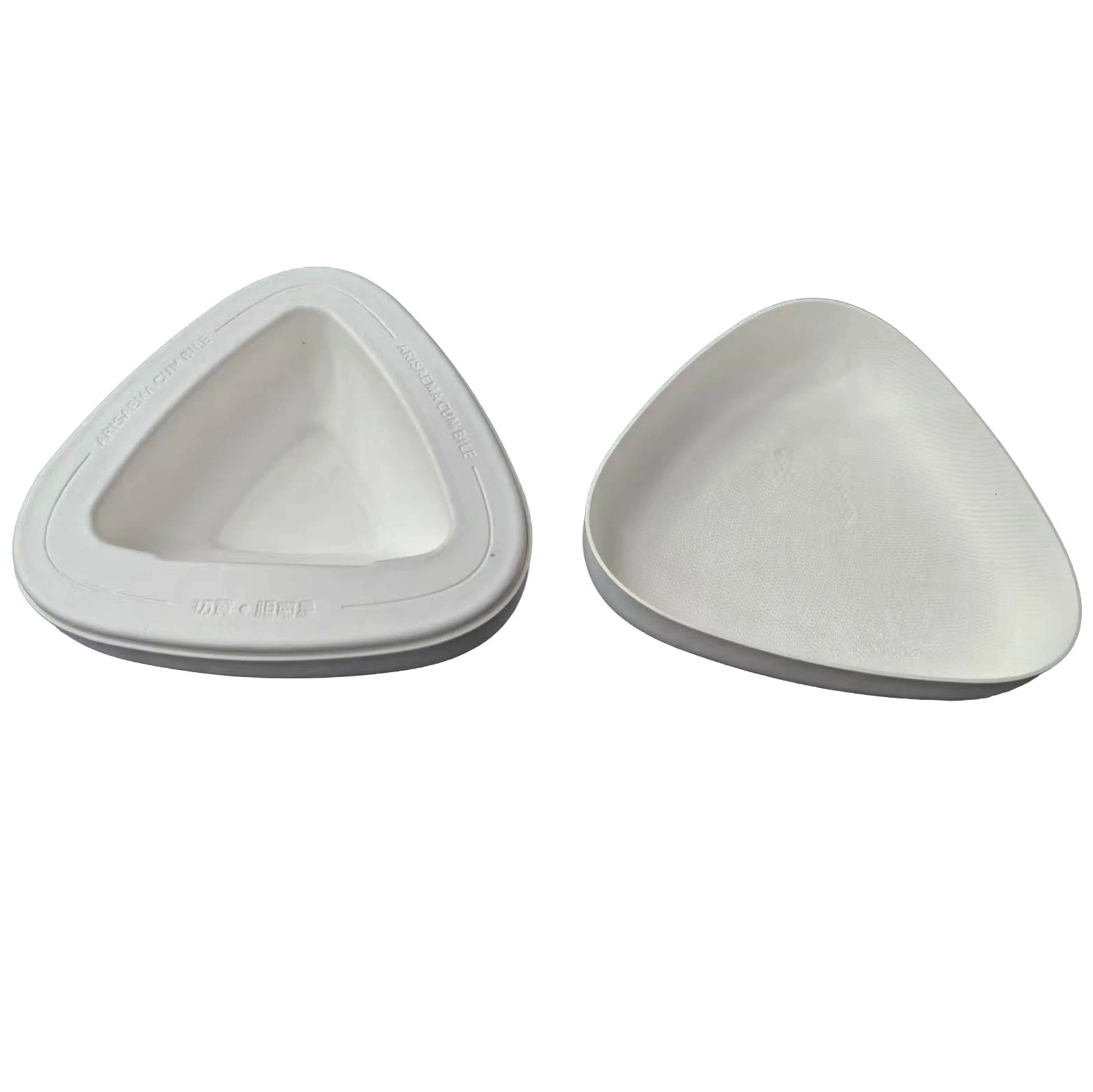
Plant fibers including waste paper, bamboo pulp, and sugarcane bagasse are used to make molded pulp. Vacuum suction technology is used to shape it into a three-dimensional mesh structure. The fibers of this structure are randomly woven together to provide a three-dimensional support system that looks like a honeycomb. It has the following mechanical properties:
How stress is spread: The structure of the fibers, which is made up of hydrogen bonds and interweaving, lets outside pressures be absorbed by elastic deformation instead of material compression. An egg tray, for instance, only weighs 65g, but it can hold 80kg of vertical static force without breaking. The honeycomb structure keeps a single tray from bending more than 3mm, which is superior than foam plastics of the same thickness.
Optimizing density and strength: When fibers are shaped at high temperatures and pressures (180–250 °C, 5–10 MPa), the hydrogen bonds between them are reorganized, and the density rises to 0.6–0.8 g/cm ³, which makes the material much more rigid. Adding aluminum sulfate waterproofing agent or starch adhesive reinforcing compound increases fiber adherence by 30% while keeping the material light (50% less dense than wood).
Dynamic buffering performance: In impact testing, there is a negative correlation between the buffering distance of pulp molding and the transmitted acceleration. For instance, a certain type of mobile phone packaging uses a multi-layer composite structure (cavity+vertical reinforcement design) to cut down on the speed at which vibrations travel during shipping by 40%. The product integrity rate in drop tests is 99.7%.
2. Structural Design: Moving from Single Protection to System Solutions
The need for different kinds of electronic and electrical products is pushing pulp molding to move from "universal buffering" to "customized system protection":
Optimizing geometry: Chambers and stiffeners: Designing the mold to make voids and add ribs within. For instance, a certain kind of laptop computer packaging uses a "well" shaped vertical reinforcement structure that doubles the load-bearing capacity and can hold 100 kg of pressure when stacked.
Composite with more than one layer: A composite of three to five layers of pulp board that can handle high temperatures and pressures. This makes the link between the fiber layers 30% to 50% stronger. A certain brand of TV packaging has a 5-layer composite structure that can hold 500 kg of products and has a compressive strength of 15MPa.
Protection by region:
Barrier with Honeycomb: Micro scale honeycomb units are used to partition areas for precision parts like camera modules and circuit boards. When these units are hit from the outside, they work together to deform and absorb energy. The packaging for a certain brand of headphones has a 0.5mm honeycomb shape, and the rate of damage to the parts during drop testing has dropped from 8% to 0.3%.
Gradient buffering: Make density gradients based on how the weight of the product is spread out. A certain kind of game console packaging, for instance, has a high-density (0.8g/cm³) structure in the center of gravity area and a low-density (0.5g/cm³) structure in the edge area. This makes the packing 20% lighter and 15% better at protecting the console.
3. Use in business: from high-end gadgets to covering the whole scene
In the area of 3C electronics:
Packaging for cell phones: The Huawei Mate 60 Pro has a pulp molded liner that cuts down on the energy used during shipping by 12% thanks to its precise bonding construction. The drop test passes with flying colors, with a height of 1.5 meters and six free drops on all sides.
Lenovo will slowly stop using plastic cushioning packing for laptops starting in 2022 and will switch to 100% pulp molding by 2024. The Yoga series includes a "double chamber+curved vertical bar" structure that has passed ISTA 3A standard testing, which simulates the conditions of worldwide transit.
In the area of home appliances:
The Samsung QLED series uses a combination of "pulp molded tray+EPE buffer strip" for its TV packaging. The tray can hold 200 kg, which cuts the total weight of the package by 35% and the carbon emissions by 50%.
The exterior unit of the air conditioner uses a pulp molded corner brace construction that has been improved by ANSYS simulation. It can bend less than 2mm when a static load of 80kg is applied, and it costs 40% less than typical wooden corner braces.
Devices you can wear:
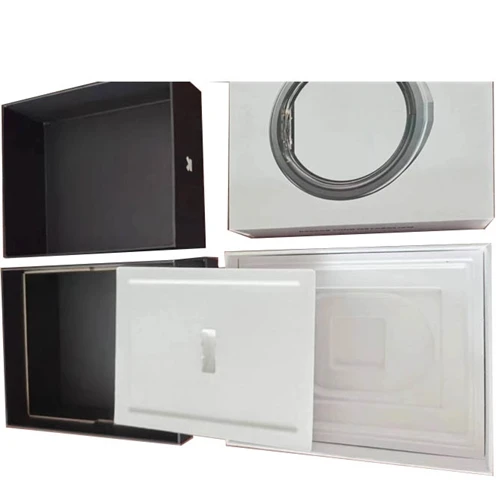
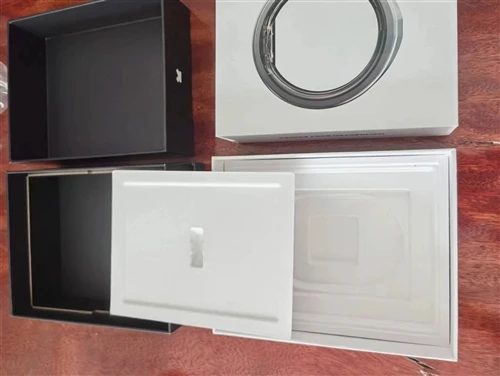
Smart Watch: The Apple Watch Series 8's packaging is made of 0.3mm ultra-thin pulp molding. It protects delicate electronic parts using "microporous breathability+anti-static coating" technology, and less than 0.1% of the time it is damaged when you open it.