
With the pursuit of a more sustainable and circular economy, the recycling of materials has become a cornerstone of environmental responsibility. Molded pulp, celebrated for its eco-friendly packaging solutions, embodies this ethos as it gracefully completes the recycling loop. This article delves into the fascinating journey of recycled molded pulp, exploring the recycling process and its profound environmental benefits.
The Lifecycle of Molded Pulp Packaging:
1. **Collection and Sorting:**
The recycling journey of molded pulp begins with the collection of used and discarded packaging. Consumers play a crucial role by depositing their molded pulp items in recycling bins. Once collected, the materials undergo a sorting process to separate molded pulp from other recyclables.
2. **Breaking Down:**
After sorting, the molded pulp packaging is subjected to a process known as pulping. This involves breaking down the material into its constituent fibers through mechanical or chemical means. The result is a pulp slurry, a mixture of water and separated paper fibers.
3. **Cleaning and Decontamination:**
To ensure the quality of the recycled pulp, it undergoes a rigorous cleaning and decontamination process. Any residual ink, adhesives, or contaminants are removed, leaving behind a clean and uniform pulp mixture ready for the next phase of the recycling journey.
4. **Molding Process Redux:**
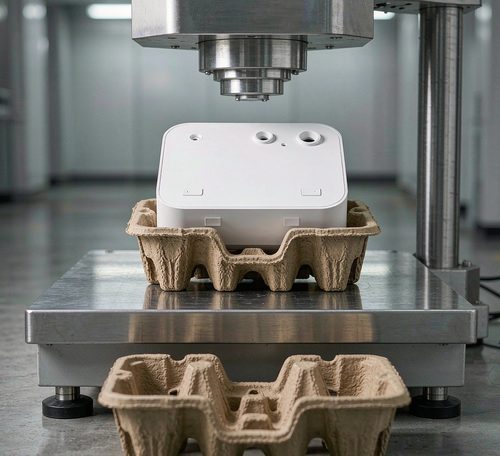
The cleaned and decontaminated pulp is then reintroduced to the molding process. In this phase, the recycled pulp is shaped into new packaging products, mirroring the initial molding process. The versatility of molded pulp allows it to be molded into various forms, accommodating different product shapes and sizes.
5. **Drying and Finishing:**
Just like in the initial manufacturing process, the recycled molded pulp undergoes drying to remove excess water. This stage is crucial for restoring the structural integrity of the material. Finishing touches, such as trimming and cutting, ensure the recycled molded pulp achieves the desired form and dimensions.
Environmental Impact of Recycled Molded Pulp:
1. **Resource Conservation:**
Recycling molded pulp contributes to resource conservation by reducing the demand for virgin fibers. By using recycled materials, the need to harvest new trees for paper production is diminished, conserving forests and biodiversity.
2. **Energy Efficiency:**
The energy required to recycle molded pulp is significantly lower than the energy needed for producing packaging materials from raw materials. This energy efficiency contributes to a reduction in greenhouse gas emissions and supports a more sustainable approach to manufacturing.
3. **Waste Reduction:**
By giving new life to used molded pulp packaging, the recycling process helps divert waste from landfills. This waste reduction aligns with the principles of a circular economy, minimizing the environmental impact associated with traditional packaging materials.
Conclusion:
Recycling molded pulp completes a virtuous cycle, showcasing the potential for sustainable practices in the packaging industry. As the world continues to prioritize environmental responsibility, the recycling of molded pulp stands as a testament to the possibilities of closing the loop on waste and fostering a circular economy. By choosing recycled molded pulp, consumers and businesses alike contribute to a greener and more sustainable future.