
Date: November 23, 2023
In a landmark development for sustainable packaging, the molded pulp industry is witnessing a revolutionary stride forward with a groundbreaking technology that not only enhances efficiency but significantly reduces water and power consumption in the production process. This innovative leap promises to redefine industry standards, reinforcing the sector's commitment to environmental responsibility.
The Genesis of Change: Eco-Efficient Molded Pulp Production
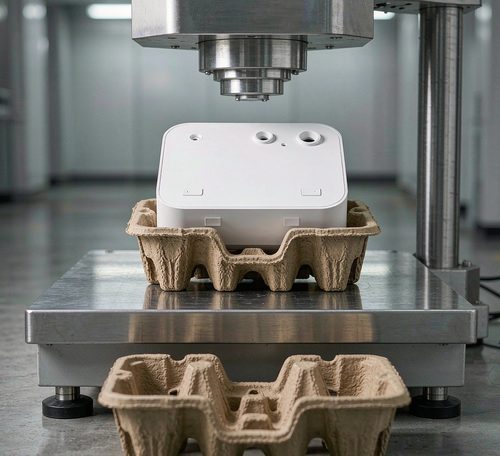
Traditional methods of molded pulp production have often been criticized for their resource-intensive nature, particularly in terms of water and power consumption. However, a transformative technology is challenging this narrative. The newly introduced eco-efficient production process is designed to streamline operations, optimizing resource usage while maintaining the high-quality standards that the industry demands.
Water Conservation Takes Center Stage
Water scarcity is a pressing global concern, making water-efficient technologies crucial in every sector. The latest advancements in molded pulp production emphasize a significant reduction in water consumption. The new technology introduces closed-loop water systems, minimizing wastage and ensuring that water is reused throughout the production cycle. This closed-loop approach not only conserves water but also reduces the environmental impact associated with wastewater discharge.
Powering the Future: Sustainable Energy Integration
Another remarkable aspect of this technological breakthrough is its emphasis on sustainable energy sources. Traditional pulp molding processes often require substantial power, contributing to carbon footprints. The innovative approach integrates renewable energy sources, such as solar and wind, into the production facilities. By harnessing clean energy, the industry is taking a giant stride towards reducing its reliance on non-renewable resources and decreasing its overall environmental impact.
Increased Efficiency, Reduced Environmental Footprint
Efficiency gains are at the forefront of this technological marvel. The streamlined processes not only save water and power but also increase overall production efficiency. Reduced cycle times, enhanced drying processes, and optimized resource utilization contribute to a more sustainable and economically viable molded pulp industry. This increased efficiency translates into cost savings for manufacturers and a more competitive market for eco-friendly packaging solutions.
Industry-wide Impact and Adoption
As this groundbreaking technology gains traction, industry leaders are quick to recognize its transformative potential. Several molded pulp manufacturers have already started integrating these innovations into their production facilities, signaling a broader industry shift towards a more sustainable future. The positive environmental impact coupled with potential cost savings is making this technology an attractive investment for businesses committed to green practices.
Challenges and Future Outlook
While the eco-efficient molded pulp production technology marks a significant stride forward, challenges such as initial implementation costs and adapting existing facilities to incorporate these innovations remain. However, as the technology matures and gains wider adoption, these challenges are expected to diminish. The long-term benefits, both in terms of environmental stewardship and economic viability, far outweigh the initial hurdles.
A Greener Tomorrow: Molded Pulp Paving the Way
In conclusion, the advent of eco-efficient molded pulp production technology is a game-changer for the packaging industry. By significantly reducing water and power consumption, this innovation aligns with the broader global push towards sustainability. As more companies adopt these practices, the molded pulp industry is set to lead the charge in eco-friendly packaging solutions, demonstrating that innovation and environmental responsibility can go hand in hand, shaping a greener tomorrow for the packaging sector.