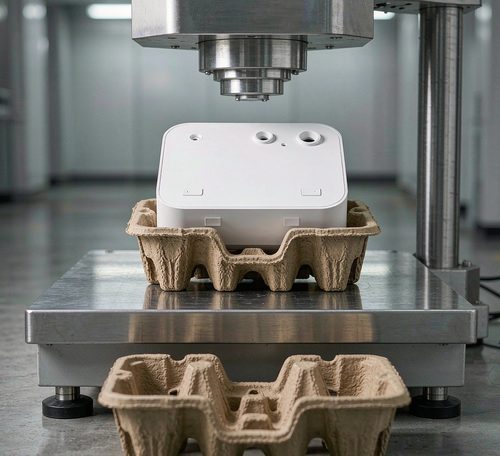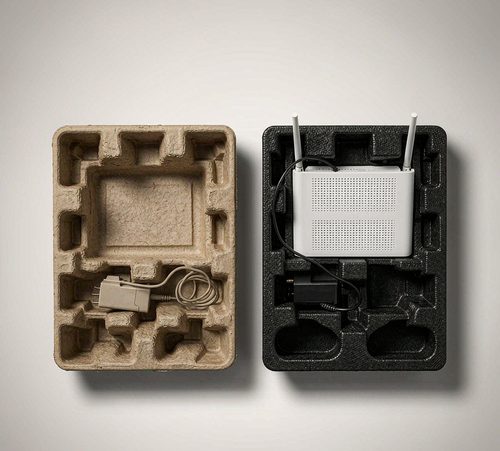

In a world where environmental sustainability is paramount, the recycling of paper is not just a simple act of waste reduction; it's a commitment to preserving our planet's resources. One innovative solution that champions this cause is molded pulp packaging, which utilizes recycled paper as its primary raw material. In this article, we delve into the profound contribution that molded pulp, powered by recycled paper, makes towards saving precious wood and paper resources while significantly reducing solid waste.
Recycled Paper as a Heroic Raw Material
Molded pulp packaging represents a groundbreaking shift in the way we view recycled paper. Traditionally, recycled paper often ended up as lower-grade paper products or, worse, in landfills. However, molded pulp breathes new life into this recycled paper by turning it into versatile, eco-friendly packaging material. Here's how:
1. Resource Conservation: By using recycled paper as the primary raw material, molded pulp significantly reduces the demand for virgin paper and, by extension, the trees that are harvested for wood pulp. This resource conservation is pivotal in preserving our forests and maintaining ecological balance.
2. Waste Diversion: One of the most significant benefits of using recycled paper in molded pulp production is diverting paper waste from landfills. Recycling paper helps reduce the burden on landfill sites, thereby lowering the environmental impact of solid waste disposal.
Environmental Impact of Molded Pulp Packaging
Molded pulp packaging brings forth a multitude of environmental benefits, thanks to its reliance on recycled paper:
1. Reduced Carbon Footprint: The manufacturing process of molded pulp generates a significantly lower carbon footprint compared to traditional packaging materials like plastic or foam. This is due to the reduced energy and emissions associated with recycled paper processing.
2. Biodegradability: Molded pulp is inherently biodegradable and compostable. When disposed of, it decomposes naturally, leaving no lasting environmental impact. This aligns perfectly with circular economy principles, where materials return to the environment harmlessly.
3. Resource Efficiency: The process of transforming recycled paper into molded pulp is efficient in terms of resource utilization. It uses less water and energy compared to other packaging production methods, contributing to overall sustainability.
Contributing to a Circular Economy
Molded pulp packaging represents a significant step towards achieving a circular economy, where resources are used efficiently, waste is minimized, and materials are continually recycled. Here's how it plays a role:
1. Recyclability: Molded pulp products are recyclable themselves, closing the loop by returning to the paper manufacturing process. This circular approach reduces the need for fresh raw materials.
2. Sustainable Production: Molded pulp production encourages responsible resource management and waste reduction, promoting sustainable practices throughout the supply chain.
Conclusion
Molded pulp packaging powered by recycled paper is a shining example of how innovative solutions can address environmental challenges. By saving wood and paper resources, reducing solid waste, and championing sustainability, it contributes significantly to a greener, more circular future. It invites us to reconsider the potential of recycled materials, transforming them into eco-friendly packaging that not only protects products but also safeguards the planet. As we embrace this transformative technology, we take a giant leap towards a world where resources are conserved, waste is minimized, and sustainability reigns supreme. Molded pulp packaging, born from recycled paper, is indeed a powerful contributor to a more sustainable and harmonious planet.