
1. Physical Protection Performance: From Lab Data to Real-World Testing
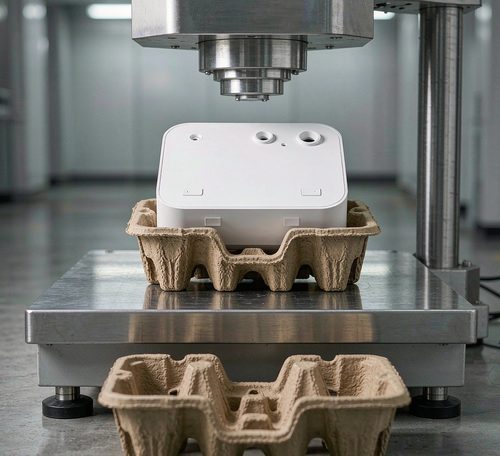
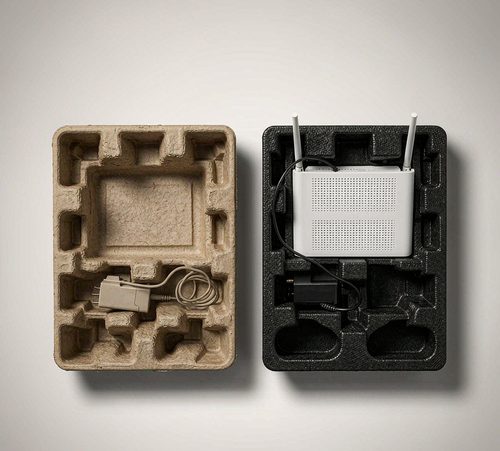
The main benefit of molded pulp packing is that it has a three-dimensional cushioning structure that absorbs and spreads energy through fiber network distribution. For example, when moving household equipment, there are common impact situations:
Impact resistance test: After using molded pulp lining on the outside of an air conditioner, the damage rate drops from 1.2% with typical EPS foam to 0.3% with a free fall test from a height of 1.2 meters. The honeycomb structure absorbs impact force by deforming through compression, which keeps it from going directly to the product shell.
Compression resistance: The molded pulp and corrugated cardboard composite packing solution can handle static pressure of 300kg without bending, making it strong enough to stack for long-distance maritime transport.
Environmental adaptability: The packaging can keep working well in temperatures from -20 to 80 degrees Celsius thanks to the addition of micro silica layer. Under the twin testing of sandstorms and high temperatures, the packaging of a certain brand's air conditioning items sent to the Middle East was not damaged.
2. Environmental compliance is the key to getting rid of trade barriers between countries.
The global plastic ban has been updated, which has made rules over how household appliances are packaged quite severe.
Safety of the material: The molded pulp is manufactured from renewable resources like sugarcane bagasse and bamboo pulp. The technique of making it doesn't use any chemical foaming agents. It fulfills the EU REACH regulation's limits for hazardous chemicals like phthalates and heavy metals.
Performance of degradation: Under industrial composting circumstances, certified molded pulp packaging may entirely break down in 180 days, which meets the American ASTM D6400 standard and helps businesses deal with trade restrictions like the EU's Disposable Plastics Directive.
Benefit for the carbon footprint: For example, when a certain brand of printer switched to molded paper pulp for its packaging, the carbon emissions from a single product's packaging during its whole life cycle were cut by 67%. This is in accordance with the carbon neutrality aspirations of major home appliance companies like Haier and Midea.
3. Invisible protection for precise home appliances against moisture and static electricity
Molded pulp packaging makes functional improvements through technological innovation to meet the unique needs of smart home appliances:
Anti-static design: By adding conductive fibers or anti-static coatings, the surface resistance of the packaging can be kept between 10 ⁶ -10 ⁹ Ω, which stops static electricity from building up. After switching to this kind of packaging, the repair rate for a certain brand of hard drive went down by 45%.
Smart technology that keeps moisture out: The molded pulp packing with a built-in humidity sensing chip can keep an eye on the humidity level in the shipping environment in real time. When the humidity level goes above a certain point, a color-changing warning bar tells the quality control staff to stay away from moisture and short circuits on the home appliance circuit board.
Improving the air tightness: The packaging is IPX4 level waterproof thanks to hot pressing sealing technology. This means that outdoor products like smart cameras can be used in the rain.
4. Improving the user experience: from the unpacking experience to the transmission of brand value
Molded pulp packaging is changing from just being useful to becoming something you can experience:
Opening Ceremony: The packaging for a certain brand of mobile phone has a "egg box" grid design. To make it more exciting to open, users have to peel off the molded pulp lining layer by layer. According to social media research, these kinds of packaging have made unpacking videos for products three times more popular.
Secondary use value: Lenovo Group turned laptop packaging into a reusable storage box with RFID chips built into the bottom for tracking and recycling. This technique raises the rate at which packaging is recycled to 92% and lowers the cost of getting new customers.
Lightweight and space optimization: Midea Group has raised the amount of air conditioning indoor units that can fit in one container from 120 to 180. This has cut logistics costs by 28% and carbon emissions.
5. Problems in the industry and what will happen in the future
Even though molded pulp packing is common in the home appliance business, it still has two big problems to deal with:
Cost balance: Right now, the cost of raw materials makes up 35% to 40% of the overall price of the product. To lower prices even further, production needs to be done on a big scale and processes need to be improved. For instance, Guangdong Hansen Intelligent Equipment's automated production line can now make 5 million pieces each year, with a yield rate of 98%.
How well heavy-duty household equipment can be changed: To protect heavy items like refrigerators and washing machines, a combination of molded pulp, honeycomb cardboard, and EPE cushioning materials needs to be made. The packaging for a certain brand of washing machine is made out of a "molded pulp lining and honeycomb cardboard outer box." This design has passed the ISTA 3A testing criteria to find a good balance between cost and performance.
In the future, molded pulp packing will become smarter, more useful, and more adaptable to different situations.
Smart packaging: using NFC chips and sensors for temperature and humidity to keep an eye on the environment and protect against counterfeiting in real time.
Functional Composite: Create unique packaging, like fireproof and antibacterial, to fulfill the needs of specific markets, like medical devices.
Scenario extension: going beyond packaging for products to include packaging for parts for after-sales servicing, packaging for refurbished second-hand equipment, and other areas.