
Introduction: The automotive industry is experiencing a remarkable shift as molded fiber, a sustainable packaging material, is making its mark beyond conventional packaging solutions. In recent years, automotive manufacturers have recognized the immense potential of molded fiber and are embracing it for various applications. This article delves into the ways molded fiber is revolutionizing the automotive sector, reshaping manufacturing processes, and driving positive change.
A Touch of Elegance: Interior Components: In a bid to enhance sustainability and reduce reliance on traditional materials, the automotive industry is turning to molded fiber for the production of interior components. Say goodbye to the days of heavy plastics and foams! Molded fiber offers a lightweight, durable, and eco-friendly alternative for crafting door panels, dashboard trims, and storage compartments. These components not only shed excess weight, improving fuel efficiency, but also contribute to reducing plastic waste and carbon emissions. Moreover, molded fiber components provide outstanding acoustic insulation, creating a serene and comfortable driving experience.
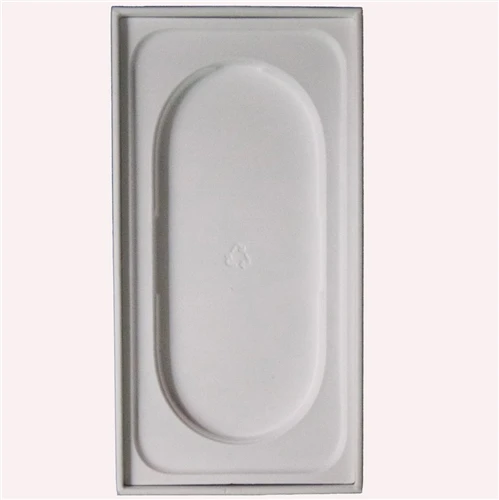
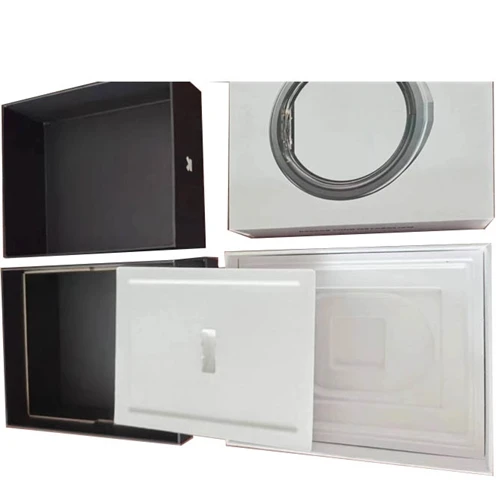
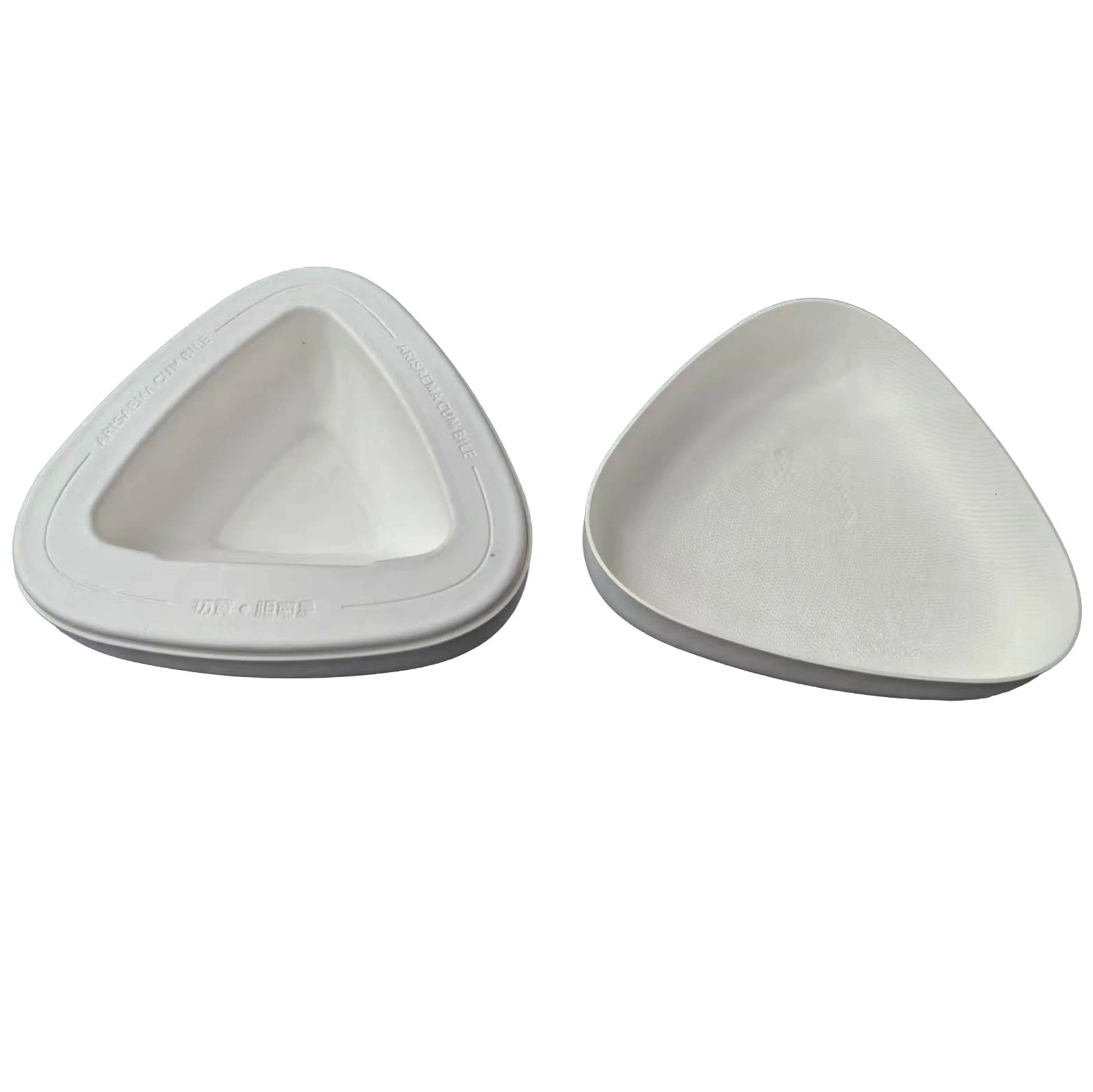
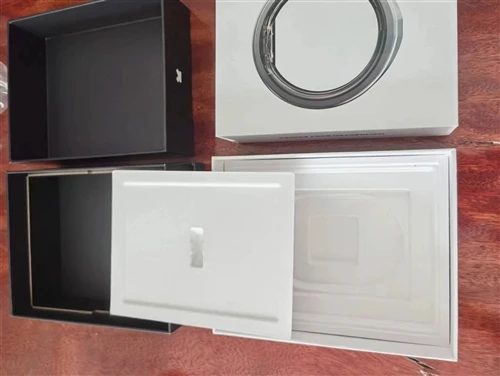
Protecting with Panache: Packaging Solutions: The automotive industry heavily relies on protective packaging to ensure the safe transportation of vehicle parts and components. In this realm, molded fiber packaging solutions, such as trays, inserts, and pallets, have taken center stage. They possess exceptional shock-absorption capabilities, offering reliable protection during transit. The lightweight nature of molded fiber packaging not only safeguards delicate parts from harm but also minimizes the need for additional packaging materials. Consequently, these innovative packaging solutions curtail waste and drive down shipping costs.
Crafting the Future: Sustainable Manufacturing Processes: The application of molded fiber extends beyond its role in packaging and protective solutions. Automotive manufacturers are now harnessing the power of molded fiber in their manufacturing processes. This versatile material serves as an economical and eco-friendly option for producing molds and prototypes. With the ability to create custom-shaped molds and components using molded fiber, manufacturers can bid adieu to costly and time-consuming tooling processes. Furthermore, molded fiber finds its place on production lines as dunnage, offering a sustainable alternative for parts separation and protection during manufacturing processes.
Conclusion: The automotive industry is undergoing a remarkable transformation with the adoption of molded fiber. From elegant interior components to protective packaging solutions and sustainable manufacturing processes, molded fiber is spearheading positive change. Its lightweight nature, eco-friendly properties, and customization capabilities are revolutionizing the industry, enhancing fuel efficiency, minimizing waste, and contributing to a greener future. As the automotive sector continues to prioritize sustainable practices, the prevalence of molded fiber is set to soar, driving innovation and propelling positive environmental impact throughout the industry.