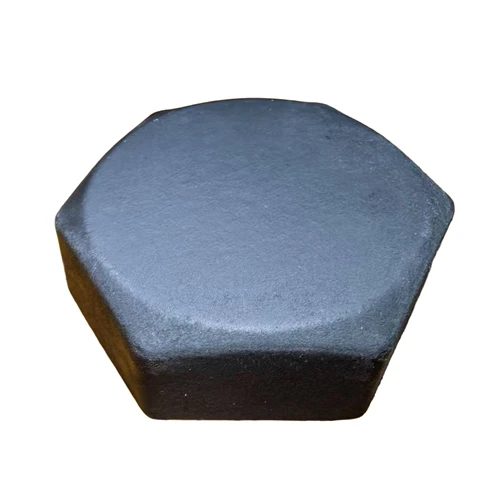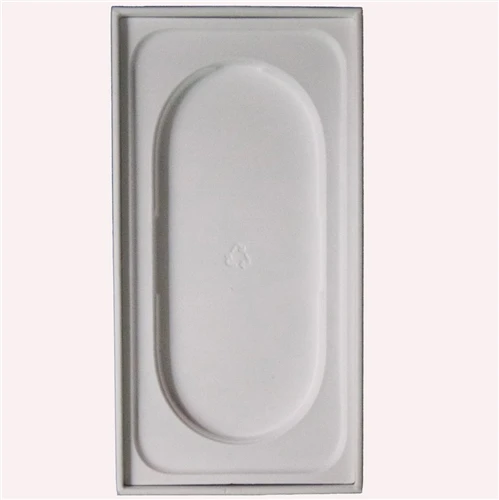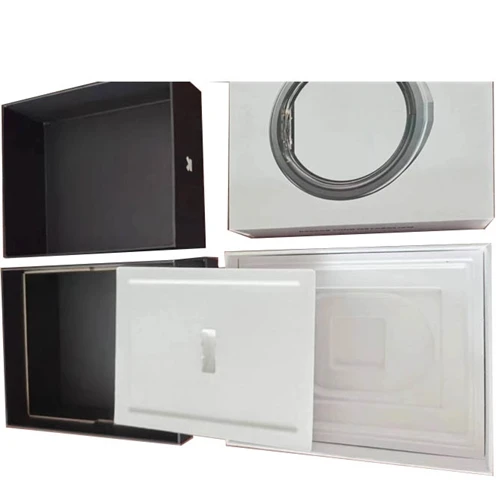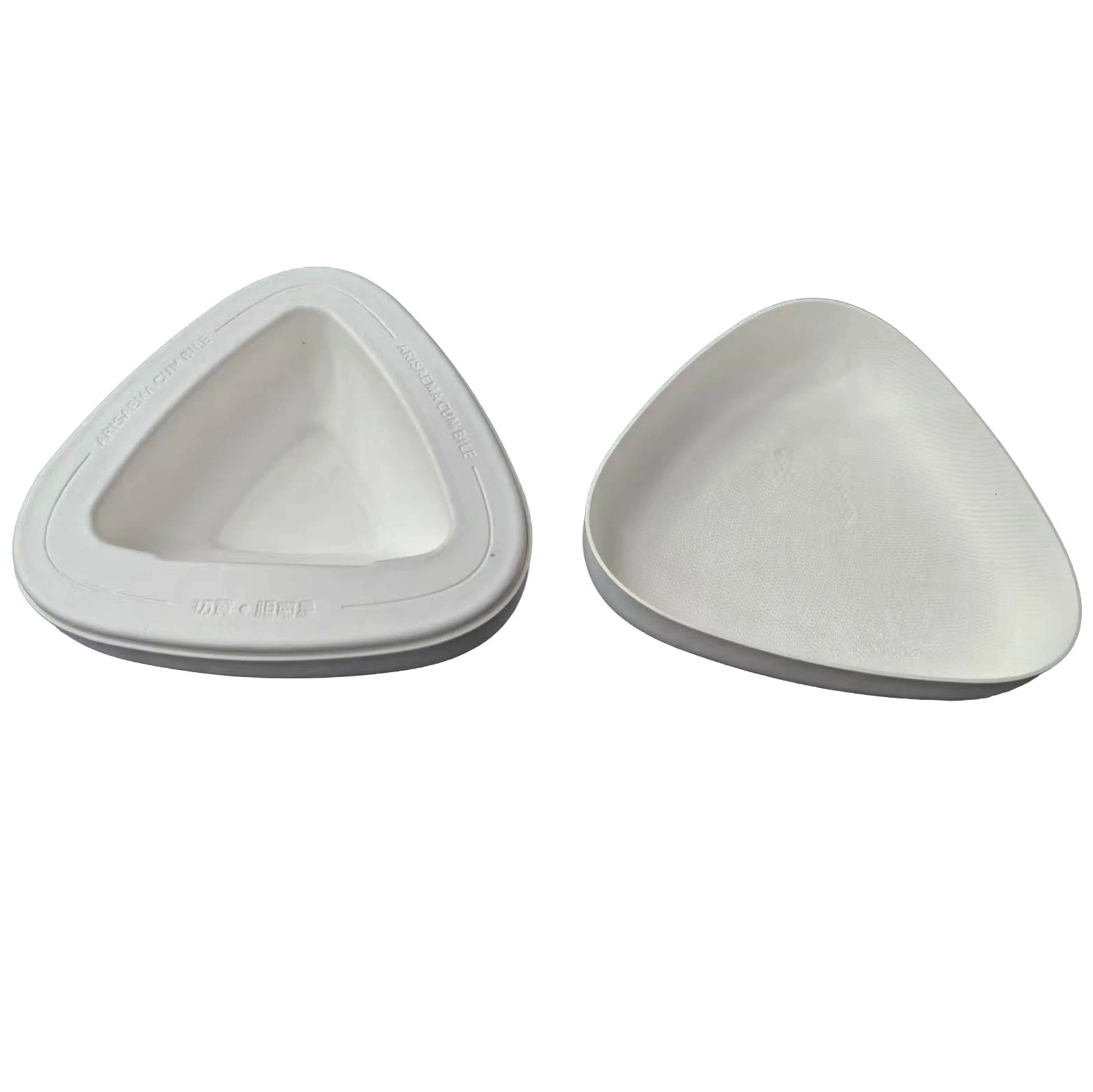

A hexagonal molded pulp container looks simple, but it is one of the harder shapes to make well in fiber. Six straight walls, six corners and a very small draft angle leave little room for error, and when the containers are stacked, that tolerance has to hold across every piece in the batch. This article explains the technical features behind a premium hexagonal molded pulp container and why it suits pharmaceutical, cosmetic and electronics packaging.
Quick Overview
Shape: Hexagonal container with a matching lid or nesting part
Material: Bamboo pulp and sugarcane bagasse pulp, blended 65:35
Wall thickness: 1.5 mm
Draft angle: 1°
Finish: Dyed; fine outside surface, textured inside surface
Edge design: Chamfered front edge
Customization: Raised logo, embossing, color and surface texture
Typical uses: Pharmaceutical, cosmetic and electronics packaging
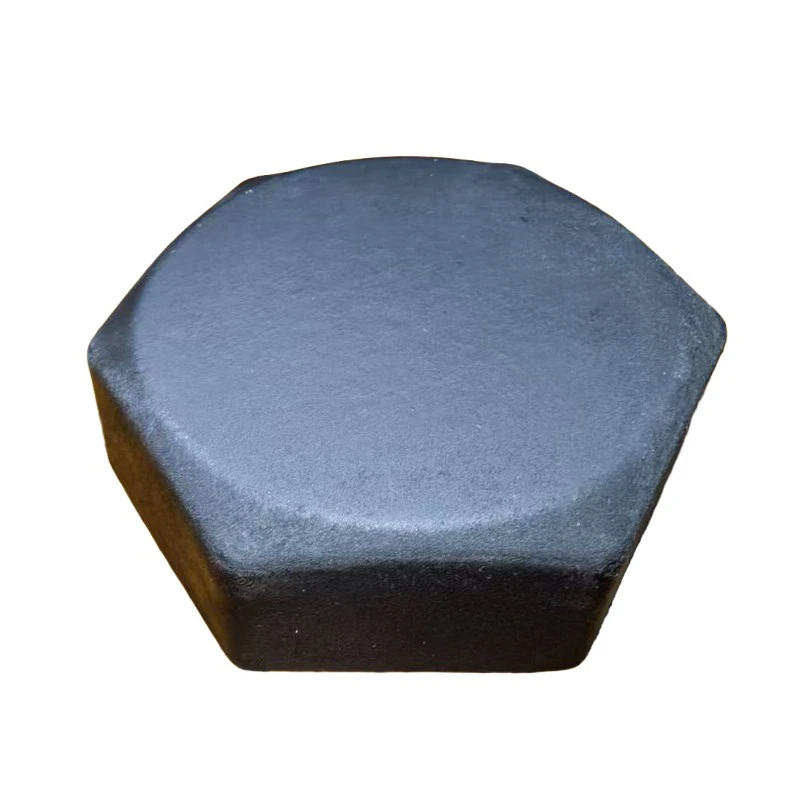
What Is a Hexagonal Molded Pulp Container?
Molded pulp is packaging formed from plant fiber slurry that is shaped in a mold, then dried or pressed into a rigid form. A hexagonal molded pulp container uses this process to produce a six-sided tray, box or lid with clean geometry. Compared with round or rectangular formats, the hexagon gives a distinctive shelf presence and uses space efficiently when several units are displayed or stored together.
Because the material is fiber-based, the container offers a cleaner alternative to plastic inserts and foam, while still delivering the structured look that brands expect from premium packaging.
Material: 65% Bamboo Pulp and 35% Sugarcane Bagasse
The container is made from a blend of bamboo pulp and sugarcane bagasse, mixed at a ratio of 65:35.
Bamboo pulp has long, strong fibers. It gives the wall stiffness and helps the container keep its shape under stacking load.
Sugarcane bagasse is a by-product of sugar production. Its shorter fibers help fill the structure and support a smoother, more uniform surface.
Together they balance strength and surface quality. This is why the finished container offers high surface strength even at a thin wall of 1.5 mm, rather than relying on extra thickness for rigidity.
Wall Thickness: Why 1.5 mm Matters
A wall thickness of 1.5 mm is thin enough to keep material use and weight reasonable, yet solid enough for a premium feel. Thin molded pulp walls are harder to control, because thickness variation shows up quickly as warping, uneven edges or poor fit between stacked units. Holding 1.5 mm consistently across six walls is a sign of mature mold design and process control.
The 1° Draft Angle: A Demanding Design Choice
Draft angle is the slight taper on a vertical wall that allows a formed part to release from the mold. Most molded pulp products use larger draft angles because they release more easily. A draft angle of only 1° makes the walls almost vertical, which gives the hexagonal container a crisp, box-like profile and more usable internal volume.
The trade-off is manufacturing difficulty. With such a small taper, the part has less clearance during release, so it requires:
Precisely machined molds with consistent surfaces
Stable fiber distribution so the wall does not stick or tear
Tight control of drying and pressing conditions
For packaging buyers, the result is a container with straighter walls and a more refined appearance than typical tapered pulp trays.
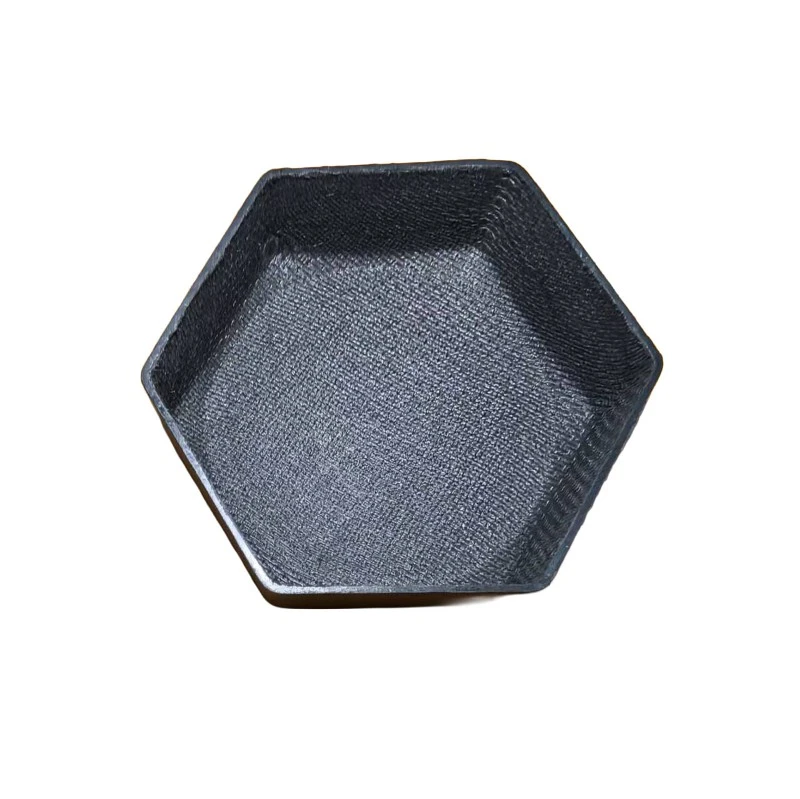
Hexagon Angle Control and Stacking Consistency
A regular hexagon has six interior angles of 120°. In molded pulp, each corner can shift slightly during forming and drying. If the six angles drift, the container may still look acceptable on its own, but it will not nest or stack cleanly.
This matters because these containers are designed to be stacked or nested. Stacking requires:
Consistent corner angles, so the six sides of one unit align with those of the next
Uniform wall height and thickness, so stacked units sit level
Repeatable dimensions across batches, so units from different production runs still fit together
For high-volume orders, consistency is as important as the design itself. A container that stacks neatly during packing, shipping and display reduces handling problems and keeps the presentation clean.
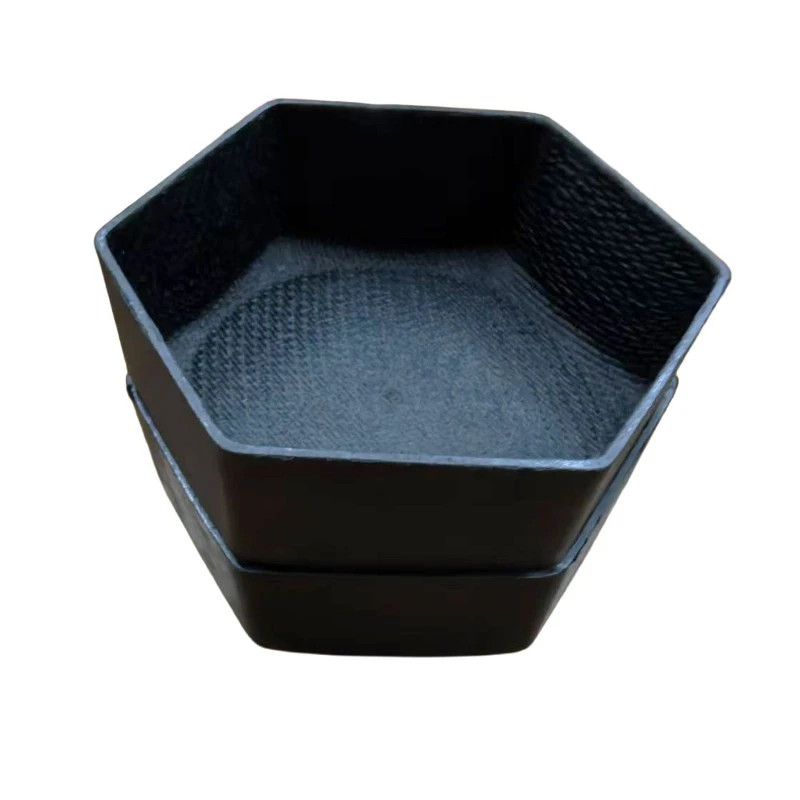
Chamfered Front Edge
The upper edge of the container is finished with a chamfer, a small angled cut instead of a sharp 90° corner. This detail does three things:
Softens the edge for a more refined look and a better feel in the hand
Reduces the chance of chipping or damage along the rim
Helps lids and nested parts guide into place during assembly
Surface Texture and Finish: Rough Inside, Fine Outside
The container uses two different surface treatments.
Outer surface: Fine and smooth, with a clean, premium look. This is the face customers see and handle, and it is also the best surface for logos and embossing.
Inner surface: Rougher and textured. The texture adds grip, helps hold lightweight contents in place and gives the interior a distinct fiber character.
The container is also dyed, so the color is part of the material rather than a surface coating. A deep, consistent color depends on even fiber distribution and controlled forming, otherwise lighter patches or streaks can appear on a dark finish.
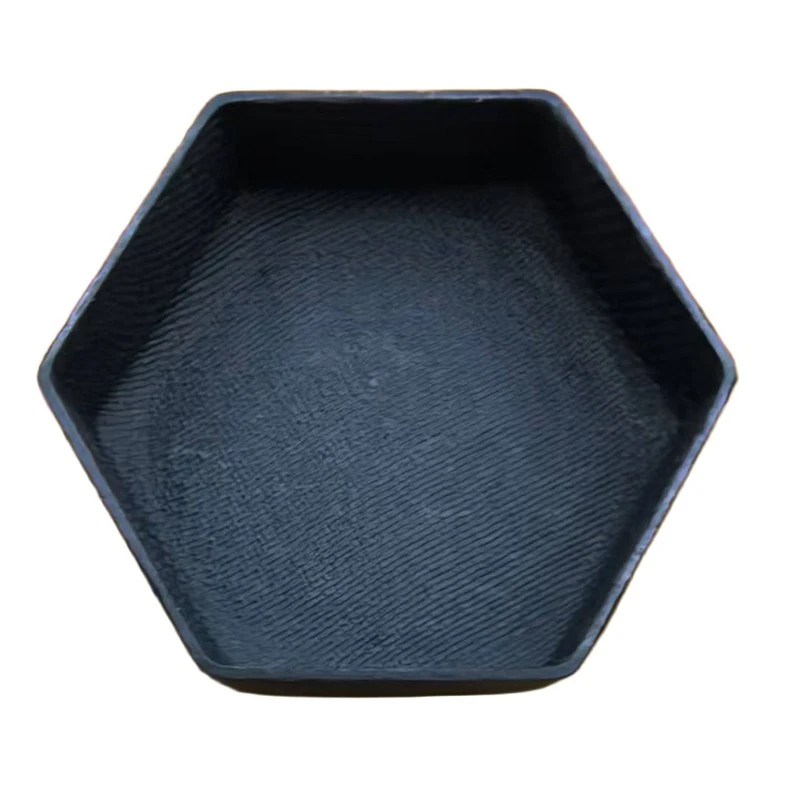
Customization: Raised Logos and Embossing
Brand identity can be built directly into the container:
Raised (convex) logos that stand out from the surface
Embossed patterns pressed into the surface
Custom colors and textures to match brand guidelines
These details are formed in the mold itself, so they are consistent across the production run and do not depend on a separate printing or labeling step. Logo size, depth and placement should be reviewed against the wall thickness and draft angle during mold design.
Applications: Pharmaceutical, Cosmetic and Electronics Packaging
The combination of rigid structure, clean geometry and premium surface makes this container suitable for several categories:
Pharmaceutical packaging: Structured trays and boxes for medical and health products where tidy, consistent presentation matters
Cosmetic packaging: Gift sets, skincare and fragrance products where the container shapes brand perception
Electronics packaging: Accessories, small devices and components that benefit from fixed positioning and a plastic-free look
Specific regulatory or hygiene requirements, such as food-contact or pharmaceutical standards, depend on the application and market. They should be confirmed with the manufacturer before production.
Frequently Asked Questions
What is a draft angle in molded pulp, and why is 1° unusual?
Draft angle is the taper on a wall that lets the formed part release from the mold. Many pulp products use larger angles for easier release. A 1° draft gives almost vertical walls and a sharper shape, but it requires more precise tooling and process control.
What material is used in this hexagonal container?
A blend of 65% bamboo pulp and 35% sugarcane bagasse pulp. Bamboo contributes strength, and bagasse supports surface uniformity.
How thick are the walls?
1.5 mm.
Why does stacking require such tight consistency?
Each hexagonal corner and wall must match the next unit. Small variations in angle or height add up when several containers are stacked, so the fit becomes uneven.
Can the container carry a logo?
Yes. Raised logos and embossed patterns can be formed directly in the mold.
Which industries use this type of container?
Pharmaceutical, cosmetic and electronics packaging are the main applications.
Conclusion
A hexagonal molded pulp container with a 1° draft angle, 1.5 mm walls and a dyed finish shows how far fiber packaging has moved beyond simple trays. Precise angle control, a chamfered edge, a fine outer surface and a textured interior make it both functional and visually premium, while the 65:35 bamboo and bagasse blend balances strength and surface quality. For brands that need stackable, customizable and plastic-free packaging, it is a strong option.
To discuss a custom hexagonal molded pulp design, share your product size, target stacking layout and branding requirements with the Hesheng Innovation Development team.
Contact us here