
1. Material properties: The plasticity of natural fibers
Sugarcane bagasse, bamboo pulp, and wheat straw pulp are all examples of agricultural and forestry waste that can be turned into molded pulp. This is done by using chemical or biological pulping methods to make fiber pulp. Then, it is shaped, dried, and hot-pressed to make packaging structures. The way it looks is first determined by the physical qualities of natural fibers:
Fiber length and toughness: Sugarcane fiber is a medium-length fiber that is not too strong, making it good for making packaging with smooth surfaces. Bamboo fiber, on the other hand, is a medium to long fiber that can make packaging more tear-resistant. At the same time, adding sugarcane fiber can make the molding more accurate. Lenovo, for instance, utilizes a blend of bamboo and sugarcane fibers in the packaging for the ThinkPad X1 Carbon. This not only makes the box rigid, but it also makes the surface smooth like typical plastics.
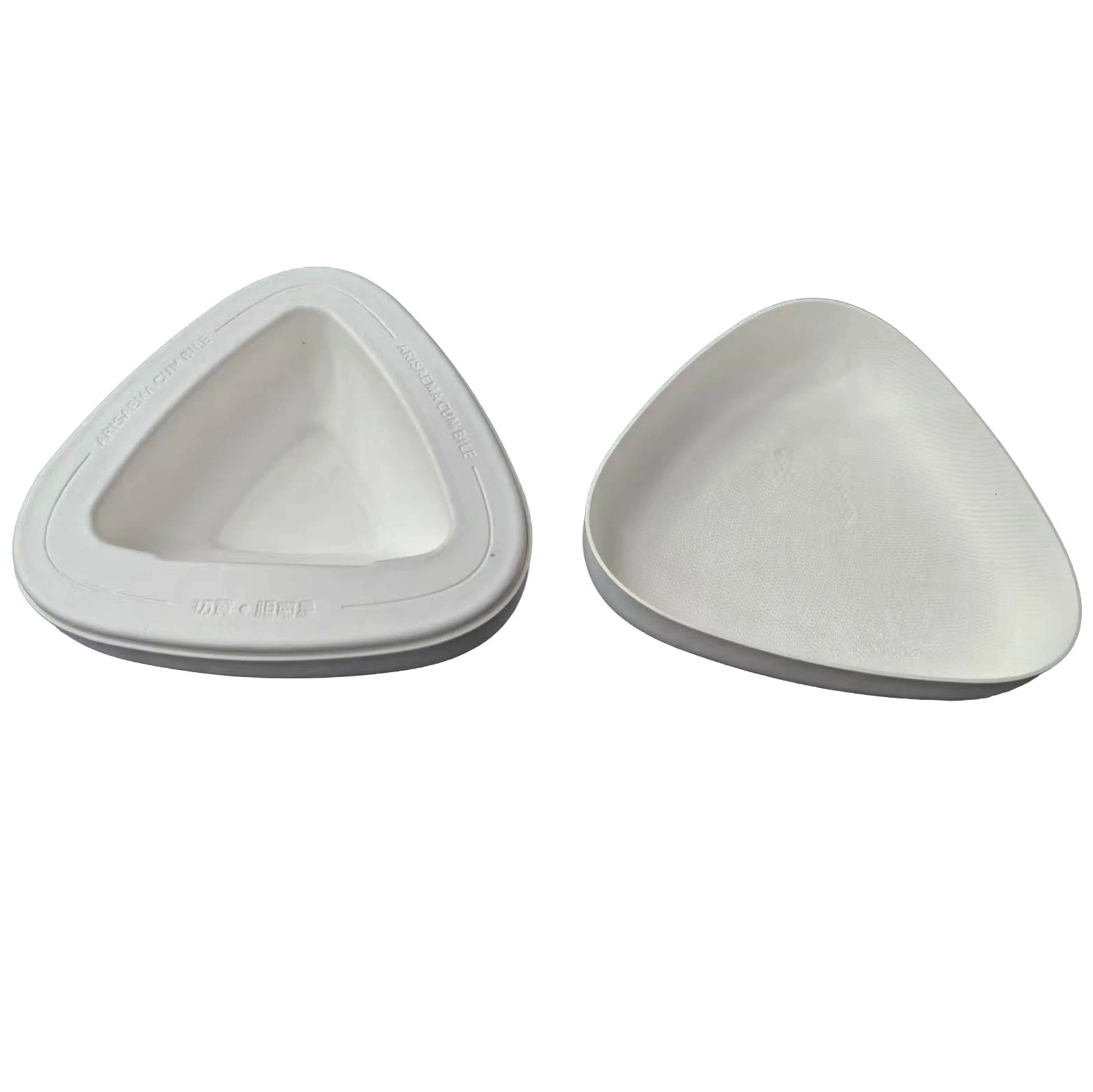
Fiber arrangement and density: You can vary the direction and density of the fibers during the molding process by changing the mold pressure and the concentration of the slurry. parts with a lot of fibers can make packing stronger, while parts with fewer fibers can make it look different by showing off the natural texture of the fibers. For instance, the pulp molded tray within the Apple iPhone packaging box has a tiered density design. The dense core fibers touch the product to provide cushioning, the loose outer fibers make it lighter, and the gradient of fiber direction gives it a natural transition look.
2. Process innovation: going from "extensive molding" to "precision manufacturing"
The old way of making pulp molds doesn't make very accurate molds and can cause them to change shape during the molding process, which makes the packaging look rough and the dimensions vary a lot. The industry has recently gotten over this problem by using new technology:
Making molds with high accuracy: The mold accuracy may be managed to within ± 0.1mm by using CNC machining and 3D printing technologies to make the molds. This meets the rigorous standards of electronic items for package dimensions. For instance, Sony used a five-axis linkage machining mold to package the PS5 game system. The inaccuracy at the curved transition was less than 0.05mm, so the packaging fit the product perfectly and looked like it was "seamless wrapping."
How to mold hot pressing: Put a hot pressing film over the surface of the dried pulp molded semi-finished product. Then, use high temperature and high pressure to rearrange the fibers to get rid of any burrs or bumps on the surface. The surface roughness of Huawei MateBook X Pro packaging went down from Ra6.3 μ m to Ra1.6 μ m after this procedure was used. This is the same level of smoothness as mirror-polished plastic.
Technology for treating surfaces: Coatings that are waterproof and oil-resistant, textures that are imprinted, or plant ink that is sprayed can all give packaging different looks. For instance, the Xiaomi neck hanging Bluetooth earbuds come in a box with a pulp molded surface that has wave patterns that match the product. This makes the brand more recognizable and gives the box a three-dimensional look by reflecting light in different ways.
3. Design optimization: from "functional orientation" to "aesthetic drive"
To regulate the look of molded pulp, you need to come up with new designs that find a balance between function and looks.
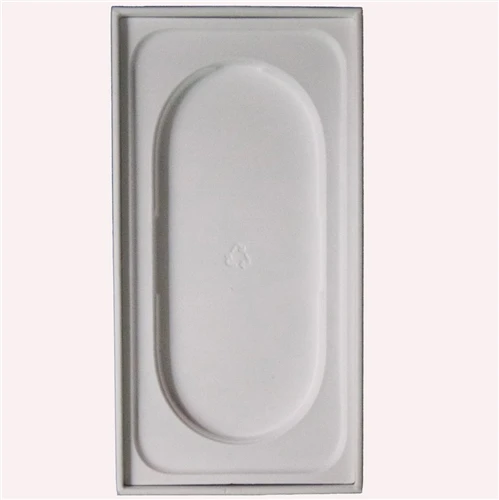
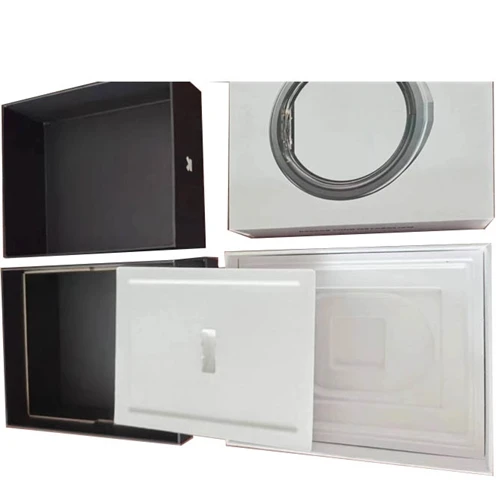
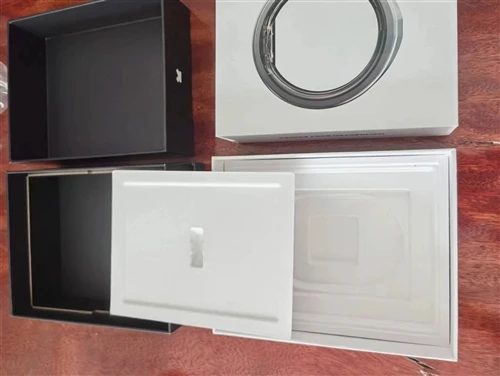
Imitation design: Because electronic items don't have a normal shape, the "negative mold" method is employed to make the packaging cavity fit the product perfectly. The pulp molded tray in the Apple iPhone packaging box, for instance, makes a product model using 3D scanning and then constructs the mold in reverse to make sure that the phone, charging cable, and manual stay in place without wobbling inside the box. The curving transition of the interior cavity also creates smooth visual lines at the same time.
Structural subtraction: By making the packing structure more efficient to use less material and using hollow and layered patterns to make it look lighter. The package for Lenovo's moto Razr 50d folding screen mobile phone has a single-layer pulp molding structure. The internal honeycomb support structure replaces the old foam. This not only makes the product 30% lighter, but it also shows off part of the product's shape through the hollow design, creating a "suspension display" appearance.
Putting in a brand symbol: Put brand logos, product lines, and other things directly into the packaging structure. The outer paper cover of the Google Pixel 9 phone packaging, for example, employs laser engraving technology to etch the famous "G" letter texture of the Pixel series on the surface. This not only keeps the phone from slipping, but it also serves as a visual representation of the brand.
4. Industry Case: Real-World Testing of Top Companies Apple: The best combination of protecting the environment and getting things just right
The iPhone 15 series packaging box's pulp molding tray is made of 100% recycled fiber and is controlled by micrometer-level mold precision to make sure that the gap between the tray and the phone or MagSafe charger is less than 0.2mm, which keeps the phone from shaking during transport. The surface is coated with a bio-based waterproof coating to make it resistant to moisture while keeping its matte texture, which is in line with Apple's minimalist style.
Lenovo: Design throughout the whole life cycle
The packaging for the ThinkPad X1 Carbon is made from FSC-certified bamboo fiber and recycled pulp blended raw materials. It can be taken apart into a flat shape through modular design, which cuts down on transportation volume by 30%. After being recycled, the packaging can be crushed and used again to make "zero waste."
Sony: Finding a Balance Between Function and Art
The WH-1000XM5 earphone packaging uses a dual-color pulp molding process. The exterior layer is made of primary bamboo fiber, and the inner layer is made of black recycled pulp. The color contrast between the two layers shows that the product is high-end. The interior tray has a contour groove that follows the curve of the headphone head beam. This not only keeps the product in place but also guides the user's line of sight through the curve, making it feel like a "unboxing ceremony."