
一,Technical adaptability: a full upgrade from protection to experience
1. Precision Protection: A New Use for Physical Properties
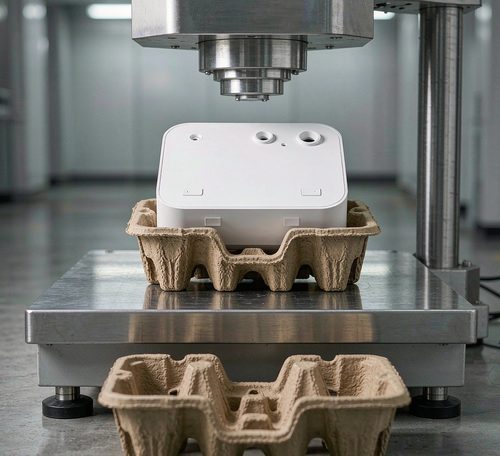
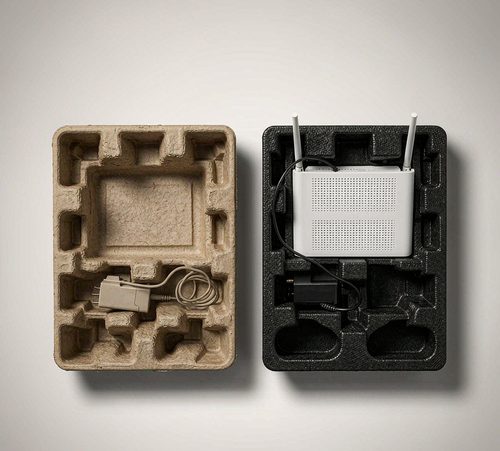
Packaging for electronic products needs very strong buffering protection. This is especially true for precision parts like mobile phones, headphones, smartwatches, and other devices that need to be able to handle shock, vibration, and compression while being shipped. The wet pressing technique (high-pressure dewatering molding) makes molded pulp fibers tightly arranged, creating a three-dimensional structure that is strong and robust. For instance, Xiaomi neck-hanging Bluetooth earphones come in molded paper pulp, and their complicated curved shape is made exactly with bespoke molds. It fits the shape of the object completely, and the inside honeycomb structure design absorbs energy, which lowers the rate of damage to the goods by 40%. Wet pressed pulp is used to shape the lining of the Huawei Mate 60 Pro phone. The container is 1.2 times stronger than regular foam plastics and weighs 30% less since the fiber ratio and molding pressure were changed.
2. Environmental quality: It can be used for a long time, from making it to recycling it.
Sugarcane bagasse, bamboo fiber, and waste paper are some of the sustainable materials that are used to make molded pulp. During the production process, no effluent is released, and the product can fully break down in the natural environment in 45 to 90 days. For example, the Tesla Loong Boat Festival gift box is made from a mix of bagasse and bamboo fiber. It doesn't require any chemicals in the printing process, and it cuts carbon emissions by 65% compared to regular present boxes. Also, molded pulp packaging may be recycled and used again as pulp raw materials, creating a closed-loop cycle that fits the EU's "Disposable Plastics Directive" and China's "14th Five Year Plan" for the growth of a circular economy.
3. Freedom of Design: Integration of Function and Aesthetics Across Disciplines
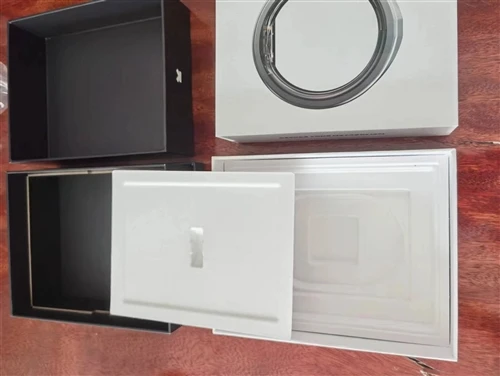
The mold forming process for molded pulp gets around the limits of typical packing forms and can make exact copies of complicated curving surfaces, hollow structures, and three-dimensional textures. The French Guerlain limited edition perfume gift box is made using the wet pressing method. The bespoke mold flawlessly copies the curve of the perfume bottle, and the brand logo vine texture is embossed on the surface. This not only gives the packaging art value, but it also provides stable support. The molded pulp tray within the Apple iPhone packing box goes well with the product's basic style and tone. At the same time, the modular structure makes it possible to sort and fix accessories, which adds to the excitement of opening the package.
二, Market Trend: Policy-Driven and Consumption-Driven Growth
1. Policy dividend: The market grows when the world bans plastic.
More than 60 nations throughout the world have rules that limit the use of plastic by 2025. For example, the European Union, Canada, and India have all banned the use of disposable plastic packaging for electronic items. China's 14th Five Year Plan says that by 2025, plastic pollution would be under control, with pulp molding as the main alternative to biodegradable materials. The market size is predicted to expand by 15% every year. The China Pulp and Paper Research Institute says that by 2025, 32% of electronic products will be packaged in pulp molded packaging, with the high-end market making up more than 50% of that.
2. Consumer preference: the rise of the experience economy and the green premium
Generation Z consumers are far more likely to pay extra for environmentally friendly features. For example, 68% of those who answered said they would spend an extra 10% to 20% for biodegradable packaging. At the same time, the role of electronic product gift boxes is changing from just protecting the items inside to also becoming "emotional carriers." Brands need to use packaging to tell design stories and brand stories. Molded pulp is a key tool for high-end electronics businesses to create unique experiences because of its natural feel and capacity to be customized. The packaging for the Sony WH-1000XM5 headphones, for instance, uses a bamboo fiber molded inner tray that keeps the original fiber texture on the surface. The packaging is printed with biodegradable plant ink to show the brand's message of "coexistence of nature and technology."
三, Industry Case: What Top Brands Do and How They Get Ideas
1. Zhejiang Zhongcheng: a model for bringing the whole industry chain together on a big scale
Zhejiang Zhongcheng is a publicly traded firm in the domestic pulp molding industry. It has created a whole industrial chain that goes from pulping raw materials to molding products. The wet pressing production line can make 200 million pieces a year and is used by leading manufacturers including Huawei, Xiaomi, and Lenovo. The company created the "ultra-thin and high-strength" technology in response to the need for electronic goods. By changing the way the fibers are arranged and how they are formed, the package is just 3mm thick and can hold 25% more weight. It has been used successfully to package Huawei Mate series phones.
2. Shaoneng Oasis: Moving Food Grade Standards to Other Technologies
Shaoneng Oasis uses the energy and natural resources of its parent company, Shaoneng Group, to move FDA certification technology from the food packaging area to the electronic device field. By adding nano silver ions and carbon fibers to its "antibacterial and anti-static" molded pulp material, it can achieve a packaging surface resistivity of ≤ 10 ΩΩ. This stops microorganisms like Escherichia coli from growing, which is what medical electronic products need. It has been used to package Philips medical equipment.
3. Qiaowang, Guangxi: Competition Based on Regional Cost Advantage
Guangxi Qiaowang uses local sugarcane resources to make molded items out of sugarcane bagasse pulp. This is 40% cheaper than using bamboo fiber materials. The company has created a "lightweight structure" technology that cuts down on the amount of raw materials needed by 20% while keeping the strength of the packaging. This has allowed them to successfully enter the mid- to low-end electronic product market and become a major supplier to brands like Samsung and OPPO in Southeast Asia.