
1. Environmental performance: a green closed loop from raw materials to recycling across the whole life cycle
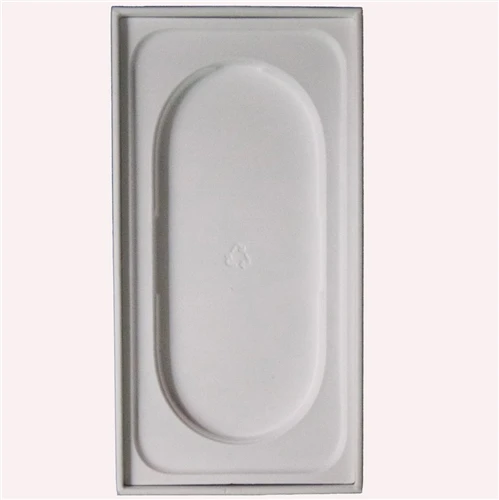
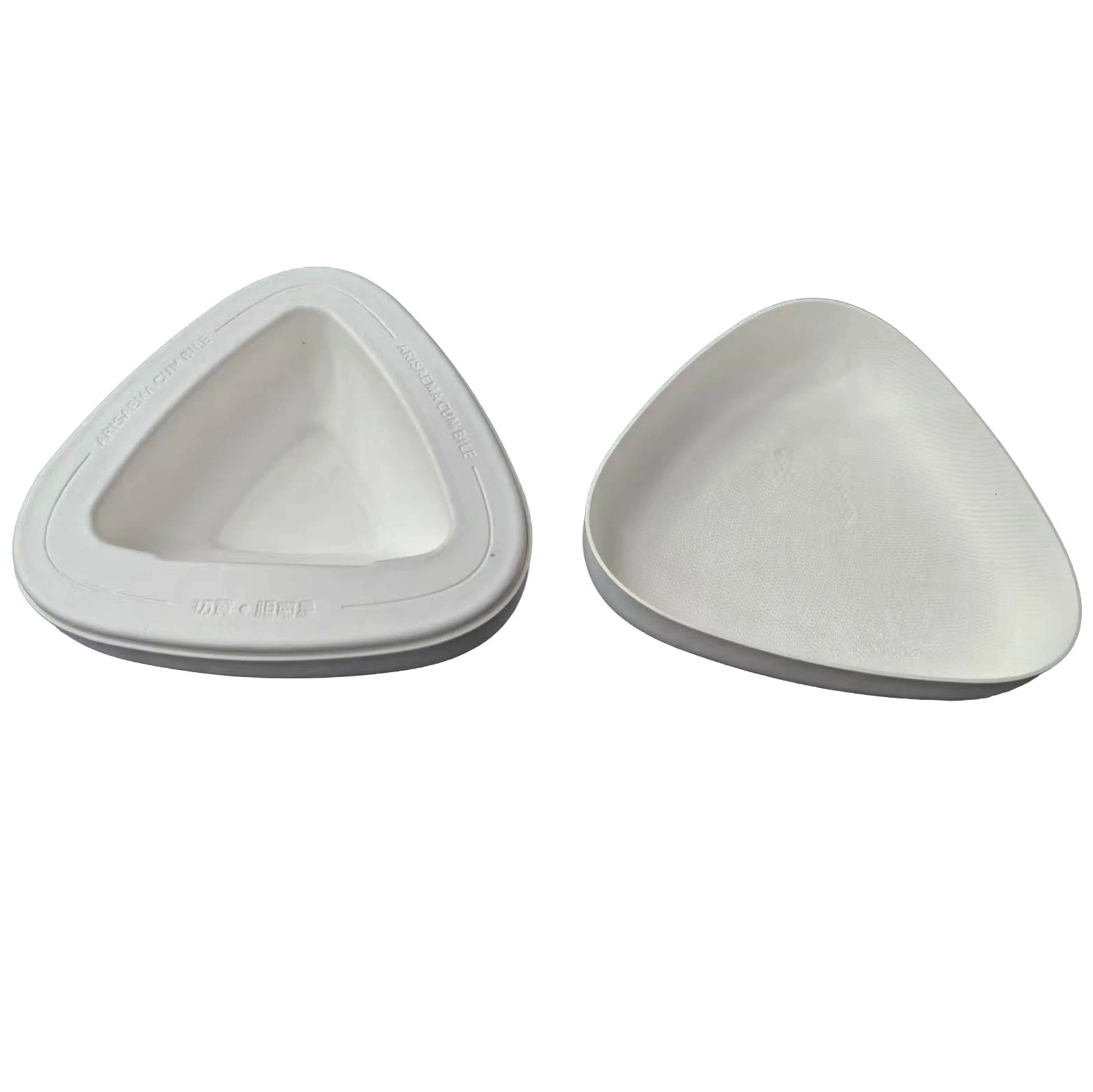
Pulping, adsorption molding, and drying shaping are some of the steps that go into making molded pulp from waste paper and plant fibers. Its environmental traits are present throughout its entire life cycle.
Sustainability of raw materials: Using renewable materials like recycled cardboard, sugarcane bagasse, and bamboo fiber instead of wood. For instance, one type of router uses pulp molding made from sugarcane bagasse, which can save roughly 5,000 cubic meters of forest each year.
No pollutant production: The technique of generating pulp uses a hydraulic pulping machine and fiber dewatering technology, thus there is no need for chemical binders. After sedimentation treatment, the wastewater can be reused, and the carbon emissions are just one-third of those from EPS.
Degradation without residue: In the natural world, waste packaging can break down fully into organic matter in just six months. This greatly lowers the risk of microplastic contamination compared to EPS, which takes 400 years to break down.
Recycling and reusing: Waste pulp molding can be broken down and used to make new packaging, creating a closed-loop system of "use recycling regeneration." A specific company says that its pulp molding recovery rate is 92%, which is far greater than the 5% recovery rate of EPS.
2. Structural benefit: Correctly adjusting to the security needs of network devices
When packing precision electronic devices like routers, the buffering performance and dimensional accuracy have to be very high. Through structural design and process innovation, molded pulp does three main things:
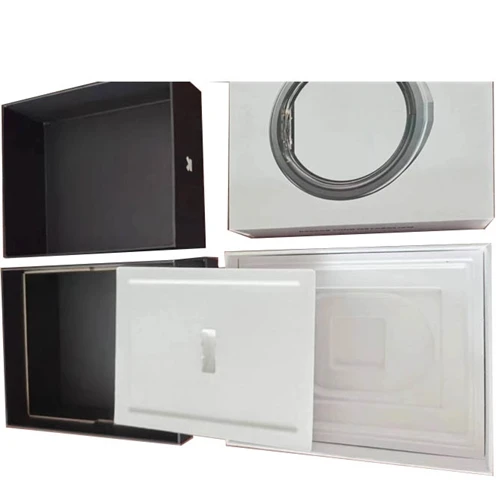
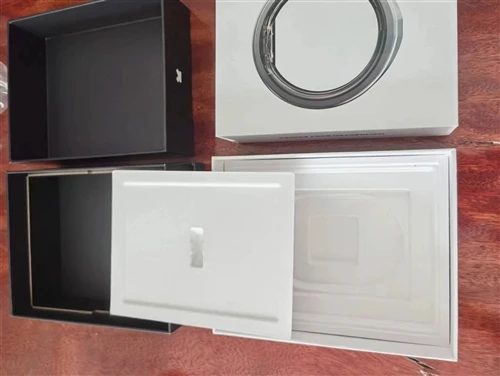
3D imitation buffering: Hot pressing technique can be used to make three-dimensional forms like honeycomb and waves that fit the geometry of the equipment. For instance, a certain manufacturer of router packaging built a hexahedral buffer chamber by using simulated transportation vibration data. This raised the drop test pass rate from 78% to 99%.
Protection against static electricity: Adding conductive fibers or cationic starch to the slurry lowers the surface resistivity of the package to 10 ⁶ -10 ⁹ Ω, which stops static electricity from building up. Tests have revealed that pulp molding packaging can cut the rate of electrostatic damage to electronic parts from 3% to 0.02%.
Control of temperature and humidity: Fibers have a porous structure that creates natural breathable channels. When these channels are paired with waterproof coatings on the surface, they create a balance of "breathability and moisture resistance." When the temperature is 40 °C and the relative humidity is 90%, the humidity inside pulp molded packaging changes 40% less than it does in EPS packaging. This makes the equipment last longer.
3. Innovation in the process: Medium-temperature grinding technique gets rid of problems in the sector.
In response to the common problems of pulp molding, such as easy deformation and low dimensional accuracy, medium temperature grinding (70–85 °C) technology makes progress by controlling the physical properties of fibers:
Lignin softening and resin dissolution lower fiber adhesion. When these two things are done together with a segmented pulping process (high temperature pretreatment + low temperature precision grinding), the standard deviation of fiber length distribution goes down by 30% and the agglomeration rate goes down by 50%.
Controlling shrinkage: The medium temperature helps the fiber hydrogen bonding network form. When paired with belt mold drying technology (100–120 °C), it lowers the drying shrinkage rate from 15% to less than 3%, which meets the router package tolerance requirement of ± 0.2mm.
Improvement in production efficiency: After switching to medium temperature slurry grinding, one company's single line production capacity went up from 120,000 pieces per month to 180,000 pieces per month, the scrap rate went down from 12% to 3%, and the overall cost went down by 18%.