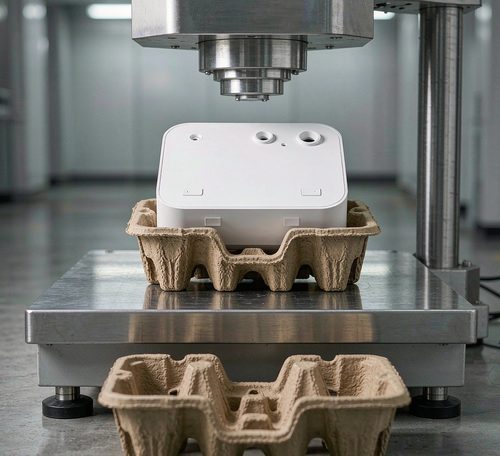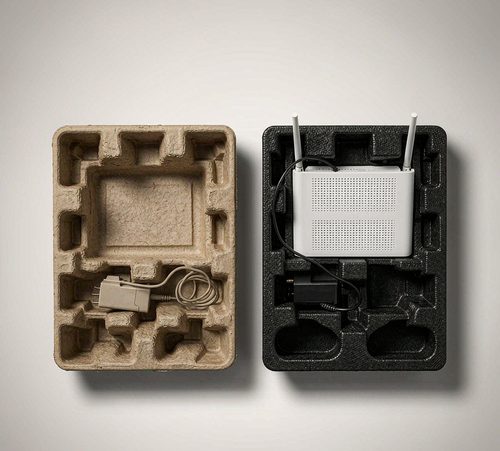

Molded pulp manufacturing is a rapidly growing industry that offers impressive environmental benefits, including reduced waste, energy savings, and carbon emissions. Molded pulp products are made from recycled paper and cardboard, which are processed into a slurry and molded into various shapes and sizes using specialized machinery.
One of the most significant environmental benefits of molded pulp manufacturing is reduced waste. The manufacturing process generates minimal waste, as any excess material can be recycled and used in subsequent production runs. Moreover, molded pulp products are biodegradable, compostable, and recyclable, reducing their impact on the environment compared to traditional plastic or foam products.
Another environmental benefit of molded pulp manufacturing is energy savings. The production process requires less energy compared to traditional manufacturing processes, as the raw materials used in molded pulp production are less energy-intensive to process. Additionally, molded pulp products offer excellent insulation, which can help reduce energy consumption during transportation and storage.
Moreover, molded pulp manufacturing has a lower carbon footprint compared to traditional manufacturing processes. The use of recycled paper and cardboard reduces the need for virgin materials, which results in fewer greenhouse gas emissions. Additionally, the production process itself emits less carbon dioxide compared to traditional manufacturing processes.
Molded pulp manufacturing also offers economic benefits, particularly for businesses that prioritize sustainability. The cost of raw materials for molded pulp production is typically lower than traditional materials, making it an affordable option for businesses of all sizes. Additionally, the growing demand for sustainable products offers opportunities for businesses to differentiate themselves and attract eco-conscious consumers.
In conclusion, molded pulp manufacturing is a growing industry that offers impressive environmental benefits, including reduced waste, energy savings, and a lower carbon footprint. As more businesses and consumers become aware of the environmental impact of traditional manufacturing processes, we can expect to see a significant increase in the adoption of molded pulp products in various industries.