
Custom paper tray packaging has become the preferred choice for protective packaging, and the reasons become clear when compared with EPS, EPE and EPP foam products.
The raw material difference is fundamental. Paper trays are made from waste paper and fiber materials that are widely available, easily collected and continuously renewable. The supply is practically inexhaustible, and the recycling process causes no harm to the environment. Foam products depend on petroleum derivatives, which face the dual problems of resource depletion and rising prices. As oil becomes scarcer and more expensive, foam will become a less viable option.
The environmental comparison also favors paper trays. They can be recycled into new products and will degrade naturally when discarded. Foam, by contrast, is difficult to recycle and remains in the environment for hundreds of years. This difference matters more as environmental regulations become stricter worldwide.
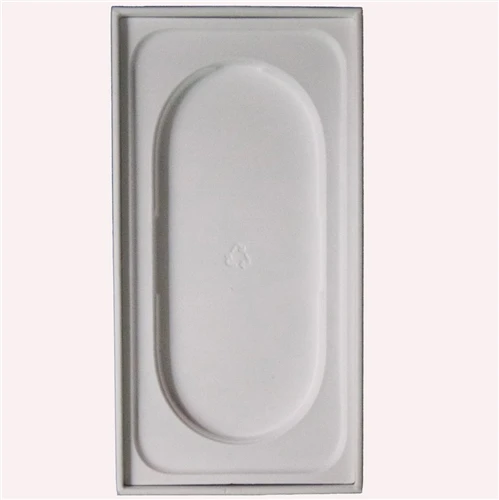
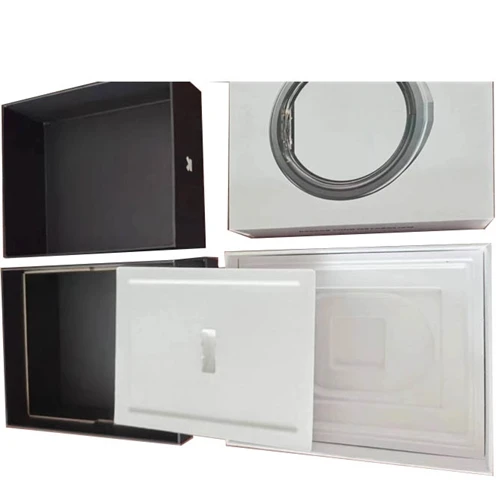
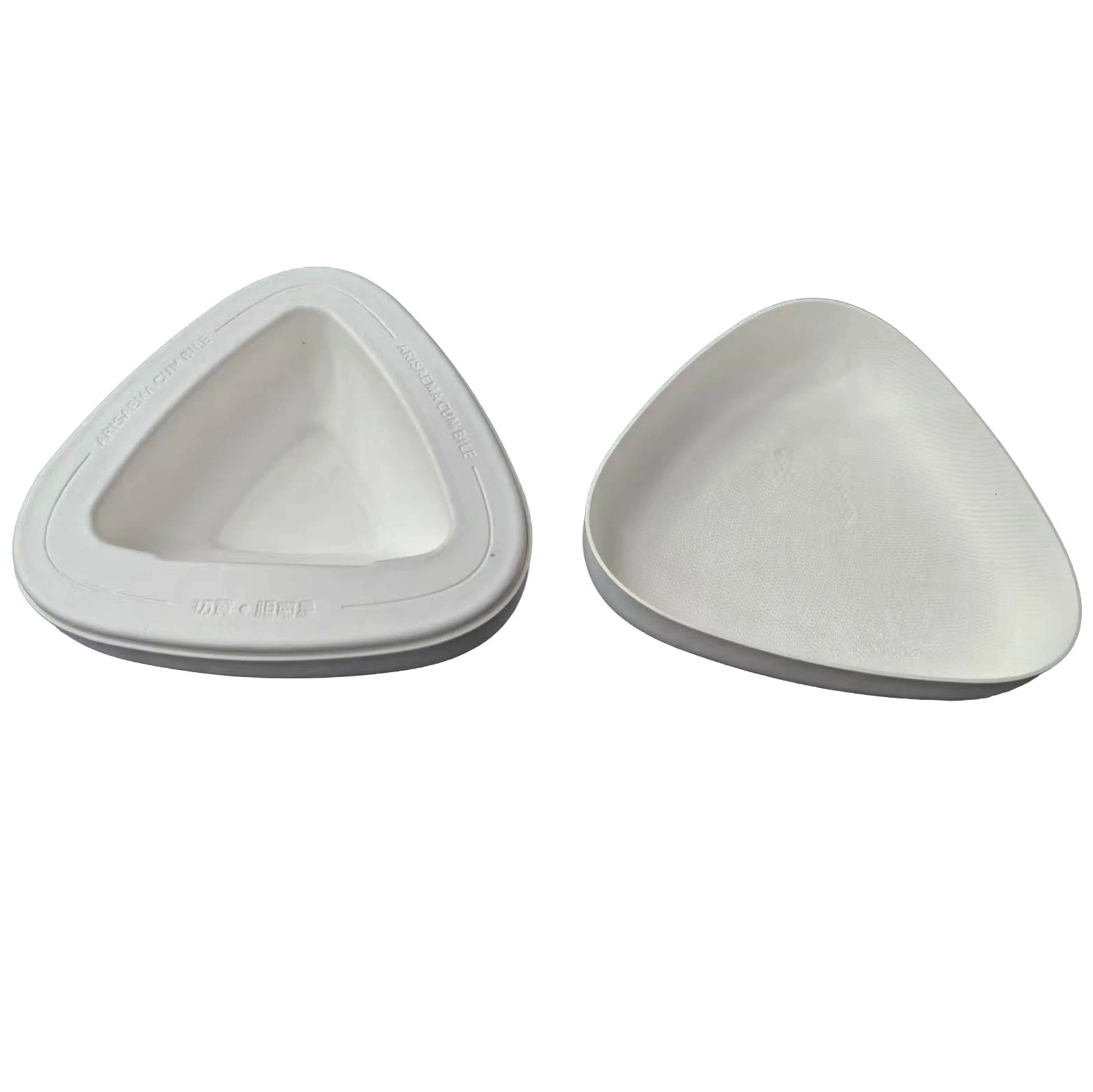
Performance is where paper trays have made the most progress. Modern molding technology produces trays that provide excellent cushioning, impact absorption and structural support. They can be designed to fit any product shape, providing customized protection that reduces damage during transport. This makes them suitable for industries ranging from electronics to food.
From a commercial perspective, paper trays offer clear advantages. Their raw materials are inexpensive, keeping production costs low. Their recyclability helps companies meet sustainability targets. Their environmental credentials help exporters access markets that restrict pollution packaging. For manufacturers and brands seeking reliable, responsible packaging, custom paper trays are the logical choice.