
In the global movement toward sustainable development, paper tray packaging has become a symbol of responsible production. Pulp molded trays are now recognized as the leading alternative to EPS foam, which has long dominated protective packaging but is increasingly unacceptable for environmental and economic reasons.
The foam industry has been under pressure from multiple directions. Environmental regulations in many markets restrict the use of non-degradable packaging, and some countries ban the export of products wrapped in polluting materials. Rising petroleum prices have driven up EPS costs, squeezing the margins of foam producers and their customers. These pressures have accelerated the decline of foam and opened the door for paper-based alternatives.
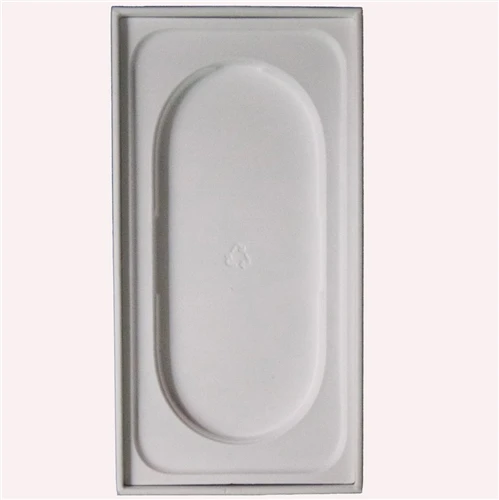
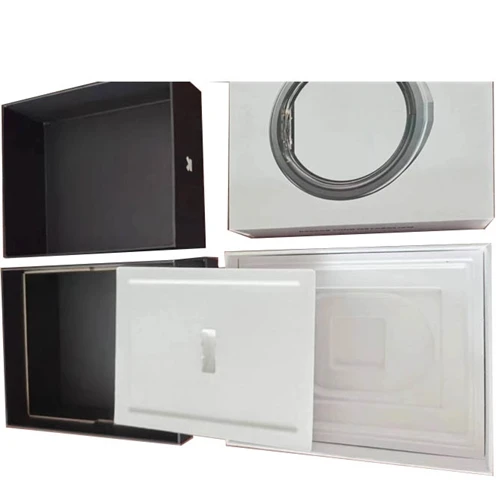
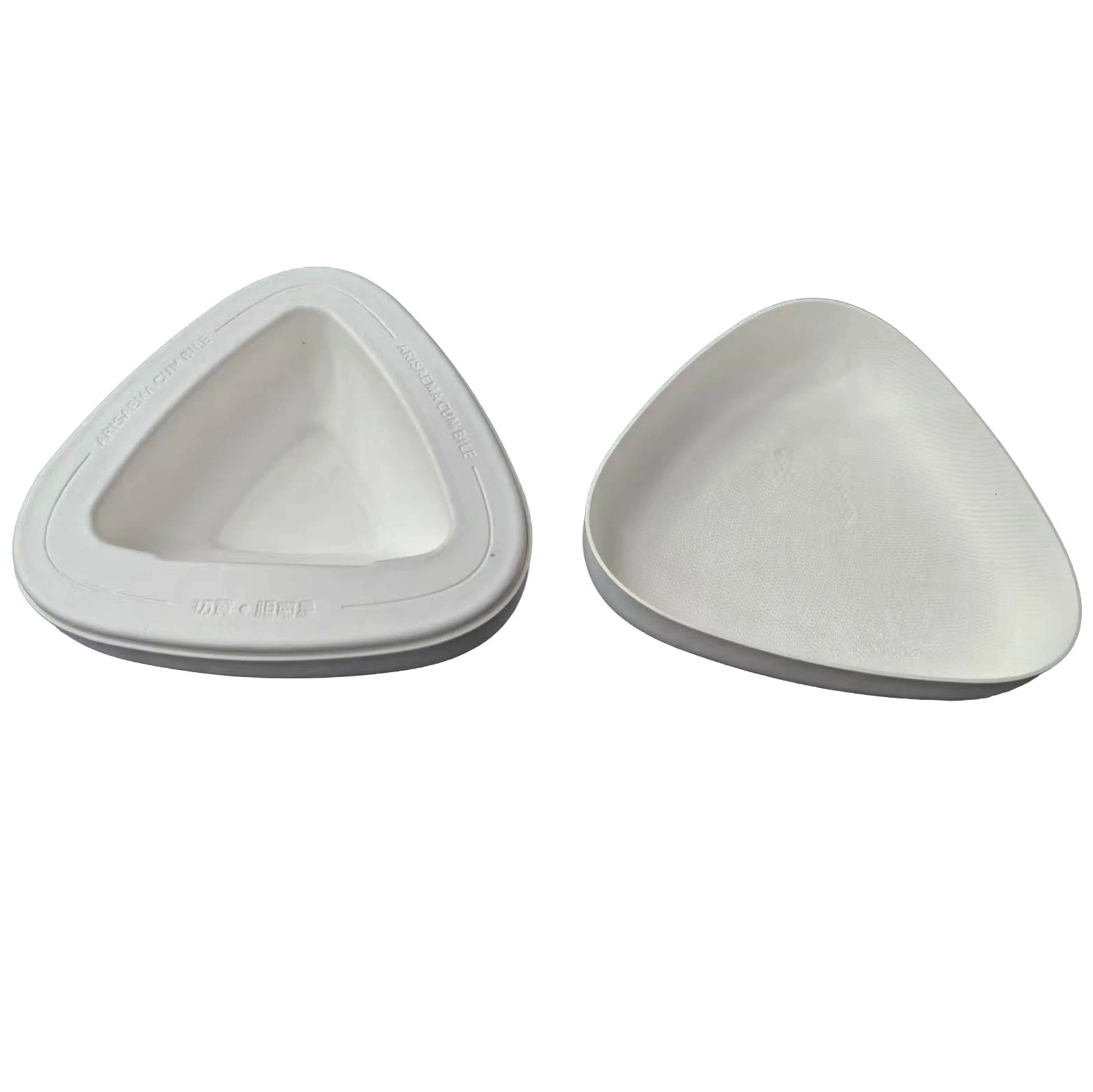
Pulp molding converts waste paper into strong, protective trays through pulping, molding and drying processes. The trays provide shockproof, moisture-proof and anti-static protection, making them suitable for a wide range of goods. Industrial trays protect household appliances, medical devices and electrical components. Agricultural trays cradle fruits, eggs and seedlings during transport. Food trays serve the catering and retail sectors with hygienic, disposable packaging.
The advantages of paper trays over foam are clear. They are made from renewable, recycled materials rather than petroleum by-products. They degrade naturally instead of accumulating in the environment. They can be stacked efficiently, reducing storage space and transport costs. And they are generally cheaper to produce as raw material costs remain low. For companies facing stricter environmental rules and more discerning customers, paper tray packaging is the practical answer. The transition from foam to pulp molding is not a trend; it is the direction of the packaging industry.