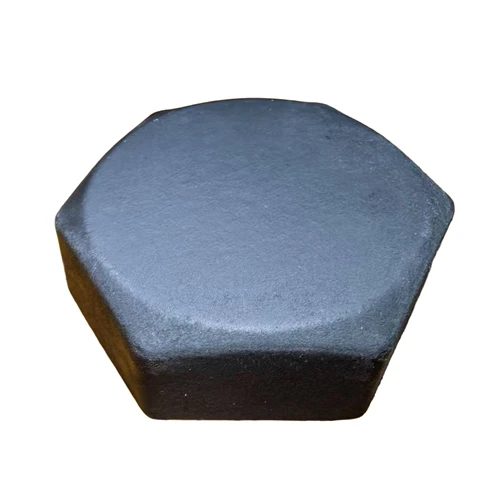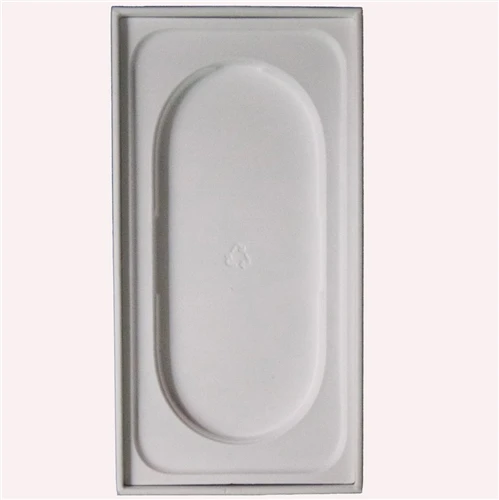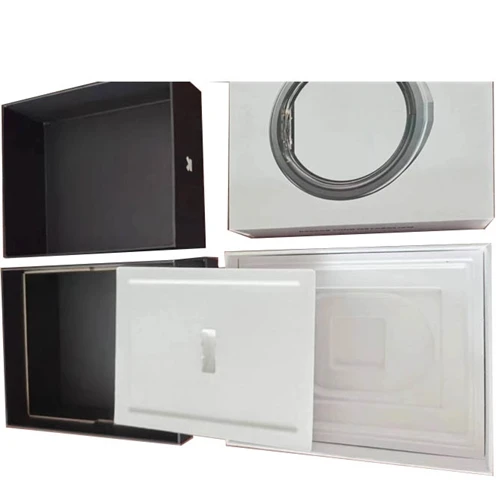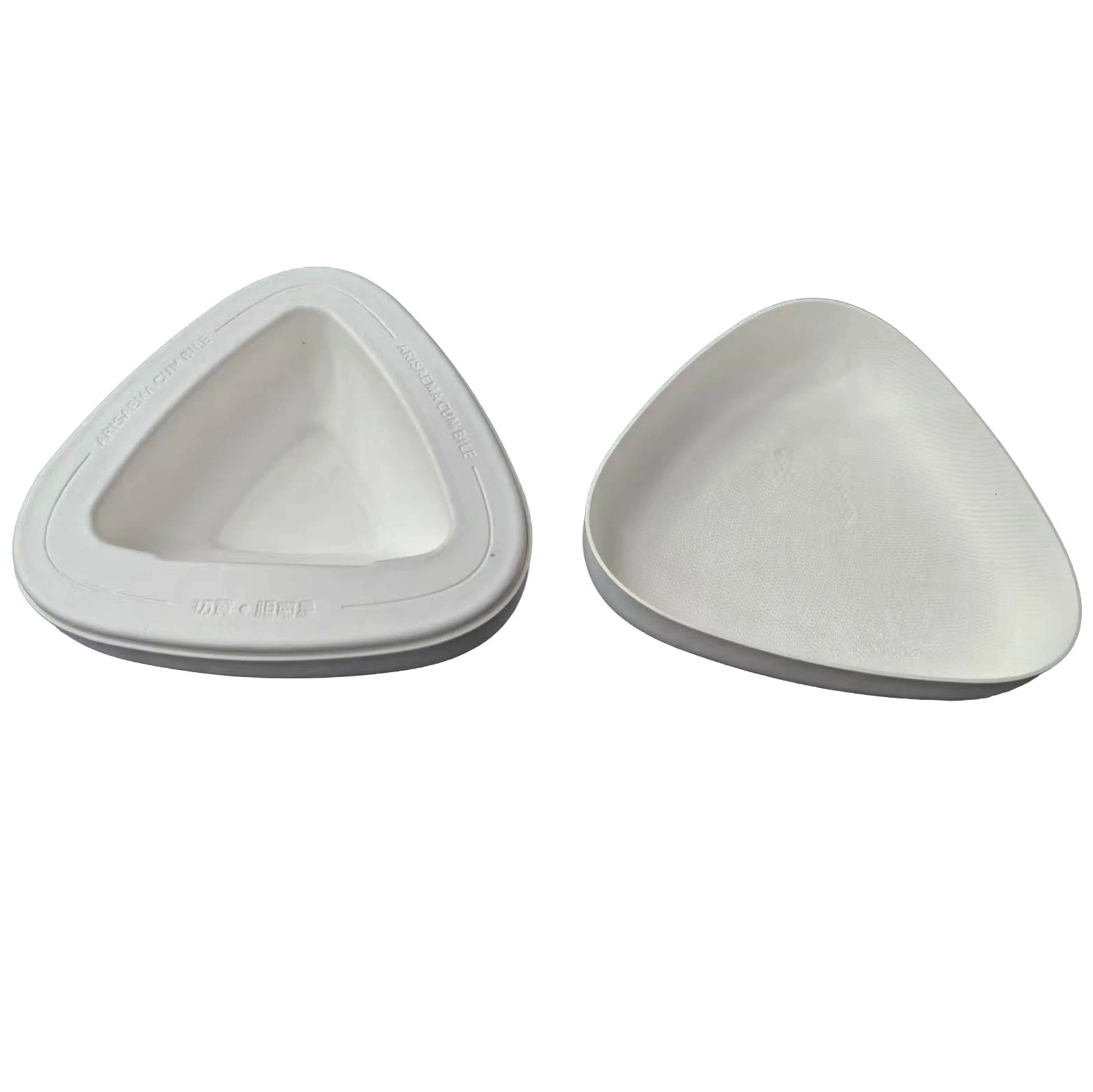

The phrase packaging materials return to nature captures the promise of pulp molding. Unlike synthetic materials that persist in the environment, pulp molded products are designed to complete a full cycle: they are made from recycled paper, they serve their protective purpose, and they return to the earth without harming it.
Pulp molded packaging works as a solid container that surrounds, restrains and protects commodities during circulation, warehousing and transport. It is used primarily for moving goods from producers to markets. The material combines several valuable characteristics: light weight, excellent cushioning, flame resistance, moisture resistance and anti-static performance. No single synthetic material offers this combination as affordably.
The production process is straightforward and clean. Waste paper is crushed, mixed with water and formed into pulp, then molded into shape under pressure or vacuum. The resulting trays and containers are strong enough to protect products yet light enough to keep logistics costs low. Because the material is fiber based, it can be recycled repeatedly, and what cannot be recycled will biodegrade.
The significance of this cycle extends beyond individual products. Every package made from pulp instead of wood saves trees. Every package made from pulp instead of plastic reduces oil consumption. Every package that biodegrades instead of accumulating in a landfill reduces environmental harm. Pulp molding is therefore more than a packaging technology; it is a practical expression of sustainable development in action.