
In recent years, the molded pulp industry has undergone a remarkable transformation, driven by cutting-edge technology and sustainability demands. This article explores the newest developments in molded pulp manufacturing, highlighting how these innovations are shaping the future of packaging materials.
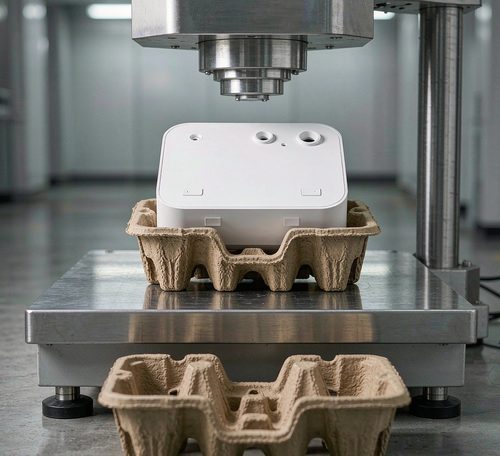
Molded pulp, traditionally made from recycled paper and cardboard, has long been favored for its eco-friendly properties. However, the latest advancements are taking this material to new heights. One of the most significant breakthroughs is the use of advanced 3D printing techniques in the production process. By employing 3D printers, manufacturers can create intricate and customized packaging designs that were once impossible to achieve with conventional methods.
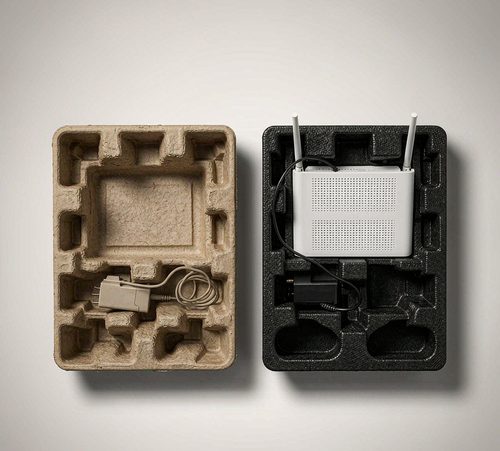
Another exciting development is the integration of nanotechnology into molded pulp production. Nanomaterials are being used to enhance the strength and durability of molded pulp products, making them even more suitable for a wide range of applications, including electronic packaging and medical device protection. These advancements not only improve the performance of molded pulp but also extend its lifespan, reducing waste in the long run.
Furthermore, molded pulp is becoming more versatile than ever. Thanks to advances in materials science, it can now be engineered to provide specific functionalities, such as water resistance, fire resistance, and insulation properties. This makes molded pulp an attractive choice for industries that require specialized packaging solutions.
In conclusion, the molded pulp industry is entering a new era of innovation. From 3D printing to nanotechnology and customizable functionalities, these developments are making molded pulp an even more sustainable and adaptable packaging material. As consumer and regulatory pressures continue to push for eco-friendly alternatives, molded pulp's evolution is poised to play a pivotal role in shaping the future of packaging.