
Molded Pulp Packaging for MR11/MR16 Halogen Lamp Cups: Box-and-Liner vs. Fold-Formed Wrap
By HESHENG INNOVATION DEVELOPMENT
Halogen reflector lamps - the MR11 and MR16 lamp cups used in ceiling spotlights, display lighting, and wax warmers - are an awkward packaging problem disguised as a simple one. The bulb itself is a small quartz glass reflector, roughly 5cm in diameter and barely a centimetre thick at the glass, but the overall unit with its pin base and internal filament assembly stands closer to 5cm tall, off-balance, and entirely rigid. There's no give in the product to absorb a drop the way a plastic housing would. At the same time, these are retail items sold on a hang hook as often as they're sold in a box on a shelf, which means the packaging has to survive point-of-sale handling, not just transit.
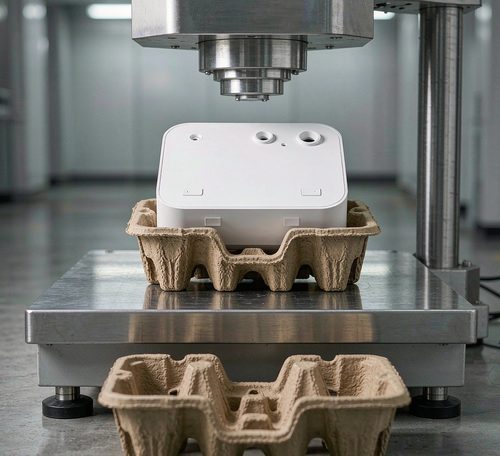
Foam sleeves and blister clamshells have covered this category for years, mostly because nobody built a fiber tray precise enough to hold a 5cm glass reflector without either crushing the cup or letting it rattle. That's changed - molded pulp tooling has gotten tight enough to hold this kind of small, dense, awkward-shaped product securely, and it's worth walking through the two design directions that actually work for lamp cups, because they solve slightly different problems.

Design One: Box with a Fitted Molded Pulp Liner
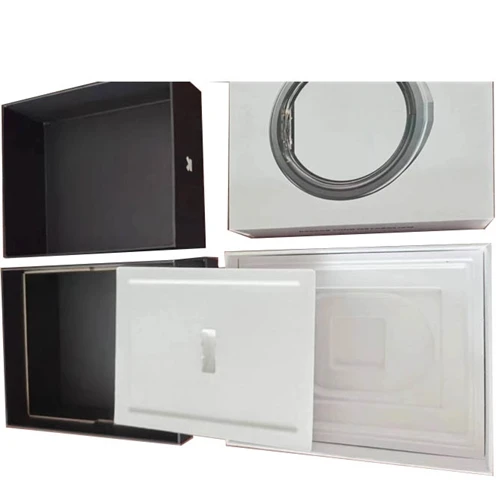
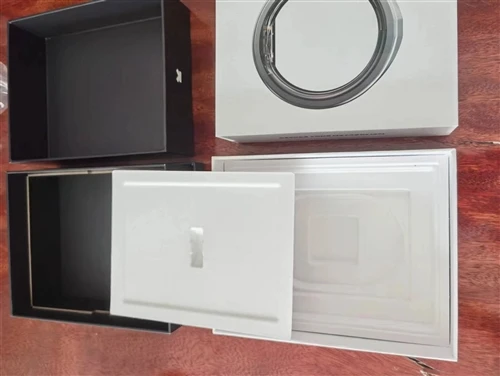
This is the more conventional route - a printed outer box, typically a small folding carton, with a molded pulp insert engineered specifically around the lamp cup's geometry: a circular cavity sized to the reflector diameter with a few millimetres of clearance, a separate recessed channel for the pin base and any exposed wiring at the rear, and enough wall thickness around the cavity to absorb a drop without transferring shock directly to the glass.
The reason this still makes sense for a lot of buyers is retail presentation. A printed box gives you a full graphic surface for wattage, base type, colour temperature, and voltage - all details that matter enormously for this product category, since a GU5.3 12V lamp cup and a GU10 220V lamp cup look nearly identical in the hand but aren't interchangeable, and a mismatched sale is a returns problem, not just a packaging one. If the product is sold through a distributor that stocks multiple SKUs side by side, box clarity does real work in preventing that mix-up.
The tradeoff is real, and it's bigger than it first looks. A box-and-liner setup for this product typically needs three separate molds - one for the upper lid cavity, one for the lower base cavity, one for the liner itself that actually cradles the lamp cup - and each mold runs somewhere around $7,000. That's before assembly labour, which adds a manual seating-and-closing step per unit that a single-piece design skips entirely. For a product with a low per-unit value to begin with, three-part tooling and multi-component assembly push the packaging cost to a point where it's genuinely out of proportion to the lamp cup inside it - and the extra components run against the packaging-minimisation direction most current regulation is pushing toward, not just the cost line.

Design Two: The Fold-Formed Wrap
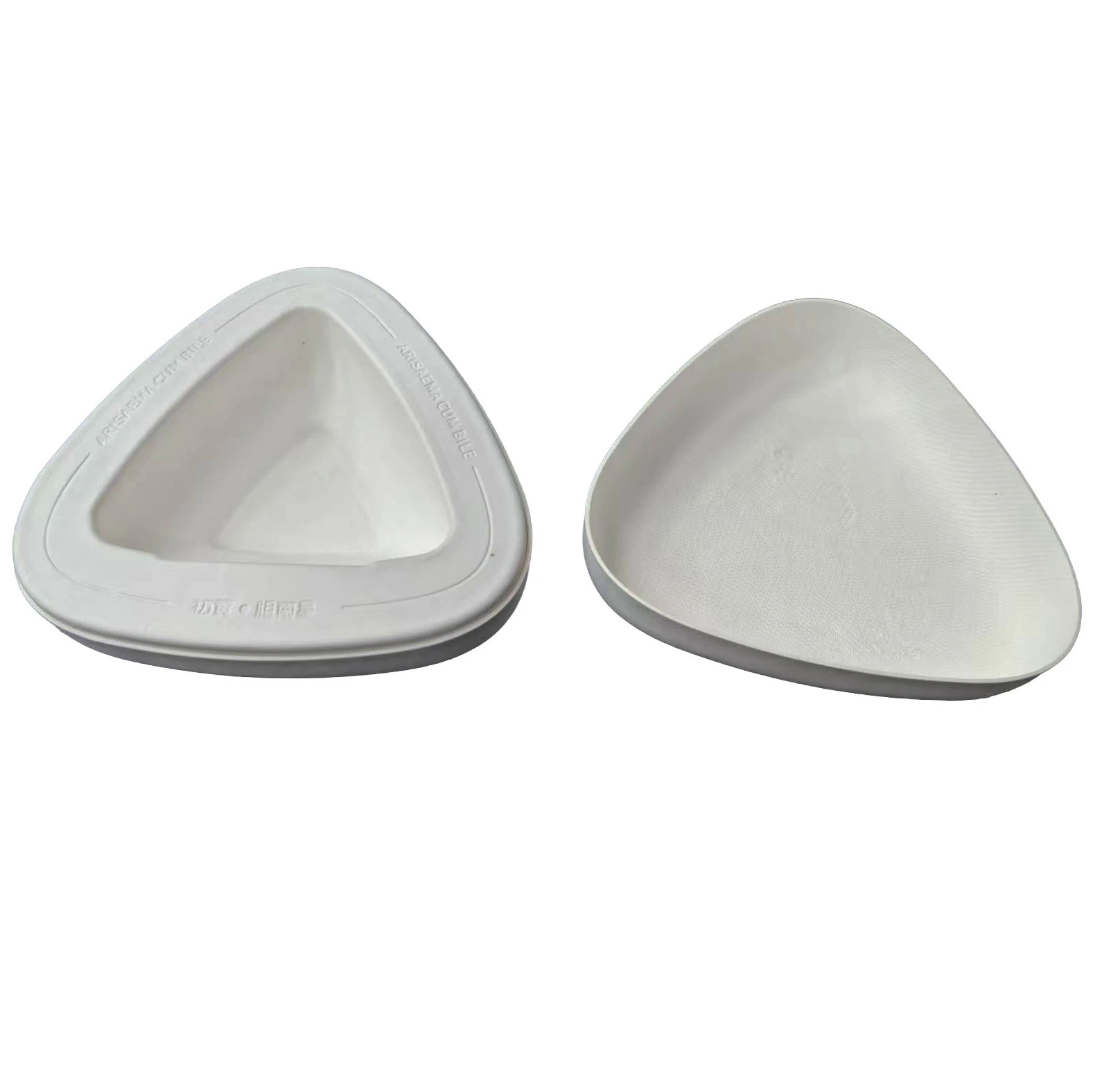
The alternative - and the one worth taking seriously for a product this size - is a single molded pulp blank that folds and closes around the lamp cup without a separate outer box at all. This is sometimes called a butterfly fold or wing-fold design: the piece comes out of the mold as one flat-ish tray with a central cavity for the lamp cup and two hinged wing sections extending from either side, connected by a scored or thinned fold line molded directly into the pulp. The lamp cup sits in the central cavity, the wings fold inward and interlock - usually through a simple tab-and-slot or friction-fit closure molded into the pulp itself - and the whole thing closes into a self-contained package with no glue, no separate box, and no second material.
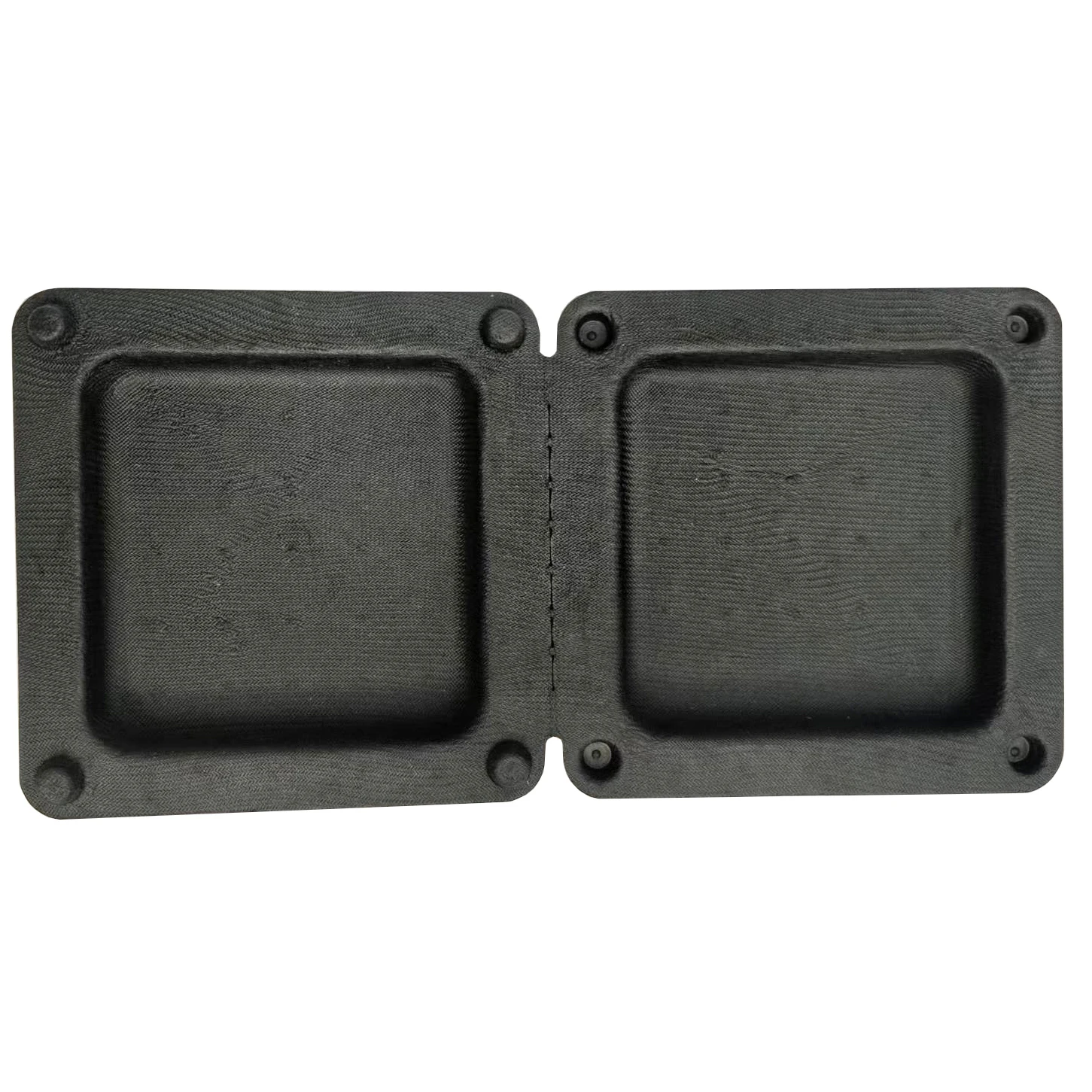
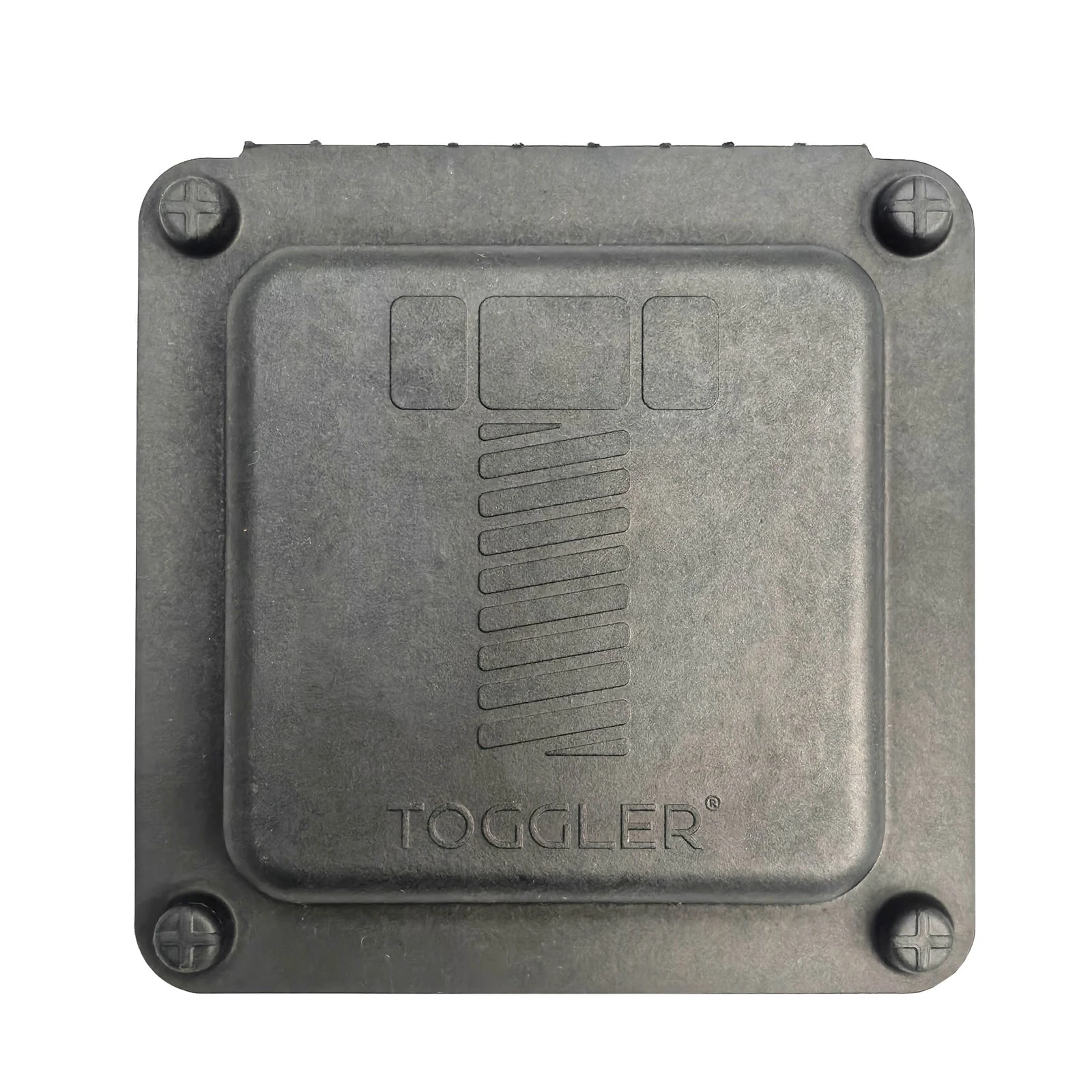
For a small, symmetrical product like an MR11 or MR16 cup, this design has real advantages. It's one material, one tooling step, and one assembly motion instead of two. It uses less total fiber than a box-plus-liner combination because there's no duplicate outer structure - the fold itself provides the rigidity a separate carton would otherwise supply. And because it's mono-material pulp with no card lamination, it recycles as a single stream with none of the sorting friction a mixed carton-and-tray package creates.
It's also the cheaper route to tool. Because the whole package is one piece, it needs a single mold rather than the three-mold setup a box-and-liner design requires, which brings both the upfront tooling investment and the finished unit price down substantially - a meaningful difference for a product where the packaging cost has to stay proportionate to a low-value item.
The printing limitation is one real tradeoff here. Molded pulp doesn't take fine offset print the way coated paperboard does - you're generally limited to a simple embossed or debossed marking, a stamped logo, or a small printed label applied after molding, rather than full-colour graphics across the whole surface. For a product sold purely as bulk stock to installers or trade buyers, that's rarely an issue. For a product going onto a retail hook next to competing brands, it's a real design constraint worth weighing against the cost and sustainability upside.
The other tradeoff shows up further down the supply chain rather than in the unit itself. A fold-formed wrap has no rigid outer box, which means individual units don't self-stack or brace against each other cleanly inside a shipping carton the way a squared box would. In practice this means adding cardboard divider inserts inside the outer carton to keep units separated and stop them shifting or crushing each other in transit - an extra step and a small added material cost at the outer-carton stage that a box-and-liner design, which is already a fixed rectangular shape, doesn't need.

Building In the Hang Hole Without Weakening the Structure
Both designs need to account for retail hang-sell, and this is one of the details that separates a tray genuinely engineered for this product from a generic tray with a hole punched in it as an afterthought. A hang hole cut into thin-wall molded pulp without reinforcement is a stress point - repeated handling on a hook, plus the static weight of the lamp cup pulling downward, can tear the fiber at exactly that point over time.
The fix is straightforward in tooling but easy to skip if it's not specified: the area immediately around the hang hole needs a thicker molded wall section or a doubled-fiber reinforcement ring built into the mold itself, sized to the standard European or UK slatwall and pegboard hook diameter your retail customer uses. It's worth confirming that diameter with the retailer directly rather than assuming a single standard - hook sizes vary enough between retail fixture systems that a hole sized for one system can be too loose or too tight for another.

Where This Beats - and Doesn't Beat - Blister Packaging
Blister clamshells are still the default a lot of lamp cup suppliers reach for, mostly because the tooling is familiar and the product is fully visible to the customer. Molded pulp gives up that full visibility - a fold-wrap or lined box typically shows the product through a cut window at best, rather than the full clear dome a PET blister provides. Where molded pulp wins is on end-of-life handling and on the packaging waste cost side: a PET or PVC blister is plastic packaging in every relevant regulatory sense, while an uncoated pulp tray or fold-wrap sits in the cheaper, more straightforwardly recyclable paper and card category under most current European and UK packaging frameworks. For lamp cups specifically, sold in bulk to trade buyers who don't need to see the product through the pack, that tradeoff usually favours pulp.
A Practical Note on Tooling for a Product This Small
Because MR11 and MR16 cups are close in size and identical in general shape, a well-designed mold can often be adapted across both diameters with a modified cavity insert rather than requiring two entirely separate tools from scratch. It's worth raising this with a supplier directly if you're stocking both formats - sharing a base mold structure across the two sizes keeps tooling cost down in a category where per-unit packaging cost is already under pressure from low product value.
Frequently Asked Questions
Can molded pulp packaging protect a glass halogen lamp cup during shipping? Yes, provided the cavity is engineered with adequate clearance and wall thickness around the reflector glass specifically, not just a generic round cavity. The pin base and rear wiring also need their own recessed channel - a cavity designed only around the glass dome tends to let the base flex and stress the glass-to-base seal in transit.
Does a fold-formed pulp wrap need an outer box at all? Not necessarily. A properly engineered fold-wrap is self-contained and can ship and sell as a standalone unit, which is why it's often chosen for trade or bulk stock where full retail graphics aren't required. Retail hook-sell items with heavy branding requirements more often still use a printed box with a fitted liner instead.
Is molded pulp packaging suitable for both GU5.3 and GU10 lamp cups? Yes, since the packaging challenge is largely about the reflector glass and overall dimensions rather than the specific pin or twist-lock base type. The main practical consideration is making sure the pin or base cavity and any printed labelling clearly differentiate voltage and base type between SKUs, since the two formats look similar at a glance.
Which costs less to tool: a box-and-liner design or a fold-formed wrap? The fold-formed wrap, by a significant margin. A box-and-liner package needs three separate molds - lid, base, and liner - at roughly $7,000 each, plus manual assembly labour per unit. A fold-formed wrap needs one mold and no separate assembly step, which brings down both tooling investment and finished unit cost substantially. The main cost this design shifts elsewhere is at the outer carton stage, where cardboard dividers are usually needed to keep individual units separated during transit.

HESHENG INNOVATION DEVELOPMENT specializes in molded pulp packaging solutions for lighting, electronics, and industrial products, from tooling design through finished packaging production.