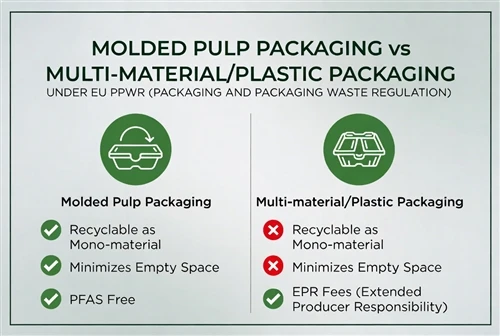
In the pursuit of environmental conservation and sustainable practices, the European Union has been at the forefront of implementing regulations aimed at protecting water resources. This article explores the intersection of molded pulp technology and European water protection rules, highlighting how innovative advancements in molded pulp production align with and contribute to the continent's commitment to safeguarding water quality.
The Rise of Molded Pulp Technology:
Molded pulp, derived from recycled paper fibers, has emerged as a groundbreaking technology in the packaging industry. This eco-friendly alternative to traditional materials has gained traction globally due to its biodegradability, recyclability, and reduced environmental impact. In the context of European water protection regulations, molded pulp holds immense promise as a sustainable packaging solution that minimizes pollution and aligns with the principles of a circular economy.
Biodegradability and Water Quality:
The literature highlights the inherent biodegradability of molded pulp products. In contrast to plastics that persist in water bodies, contributing to pollution and harming aquatic ecosystems, molded pulp degrades naturally. This characteristic ensures that, in compliance with European regulations, the use of molded pulp minimizes the risk of water contamination and supports the EU's commitment to maintaining high water quality standards.
Reduced Chemical Usage in Production:
New technologies in molded pulp production focus on minimizing environmental impact throughout the manufacturing process. Literature suggests that advancements in this field have led to a reduction in chemical usage, mitigating the risk of harmful substances entering water sources. By adhering to stringent environmental standards, molded pulp technology aligns with European regulations aimed at protecting water quality and promoting sustainable industrial practices.
Water-Efficient Production Processes:
In line with European water protection regulations, the literature indicates that modern molded pulp facilities are adopting water-efficient production processes. By optimizing water consumption during manufacturing, these facilities not only reduce their environmental footprint but also contribute to the broader goal of sustainable water resource management set forth by European regulatory frameworks.
Circular Economy and Resource Conservation:
The circular economy principles embedded in molded pulp technology resonate with the European commitment to resource conservation. Literature highlights how molded pulp, as a product of recycled materials, contributes to the circular flow of resources. By promoting the use of recycled paper fibers, molded pulp aligns with European regulations focused on reducing the extraction of virgin materials and fostering a more sustainable approach to resource utilization.
Conclusion:
The literature on molded pulp technology in compliance with European water protection regulations underscores a significant step forward in the journey toward sustainable packaging. The inherent biodegradability, reduced chemical usage, water-efficient production processes, and alignment with circular economy principles position molded pulp as a technology that not only meets regulatory standards but also actively contributes to the preservation of water quality. As the European Union continues to champion environmental stewardship, molded pulp stands as a beacon of innovation in the pursuit of a cleaner, healthier, and more sustainable future.