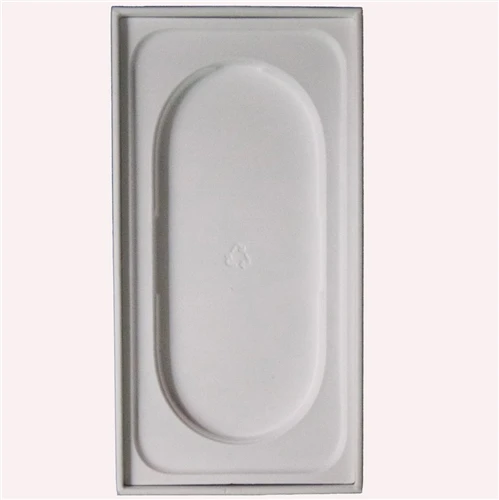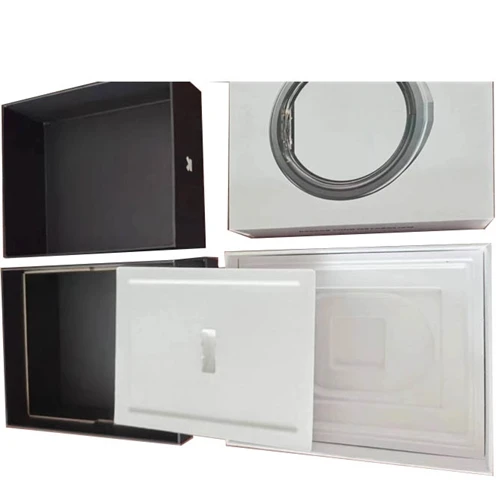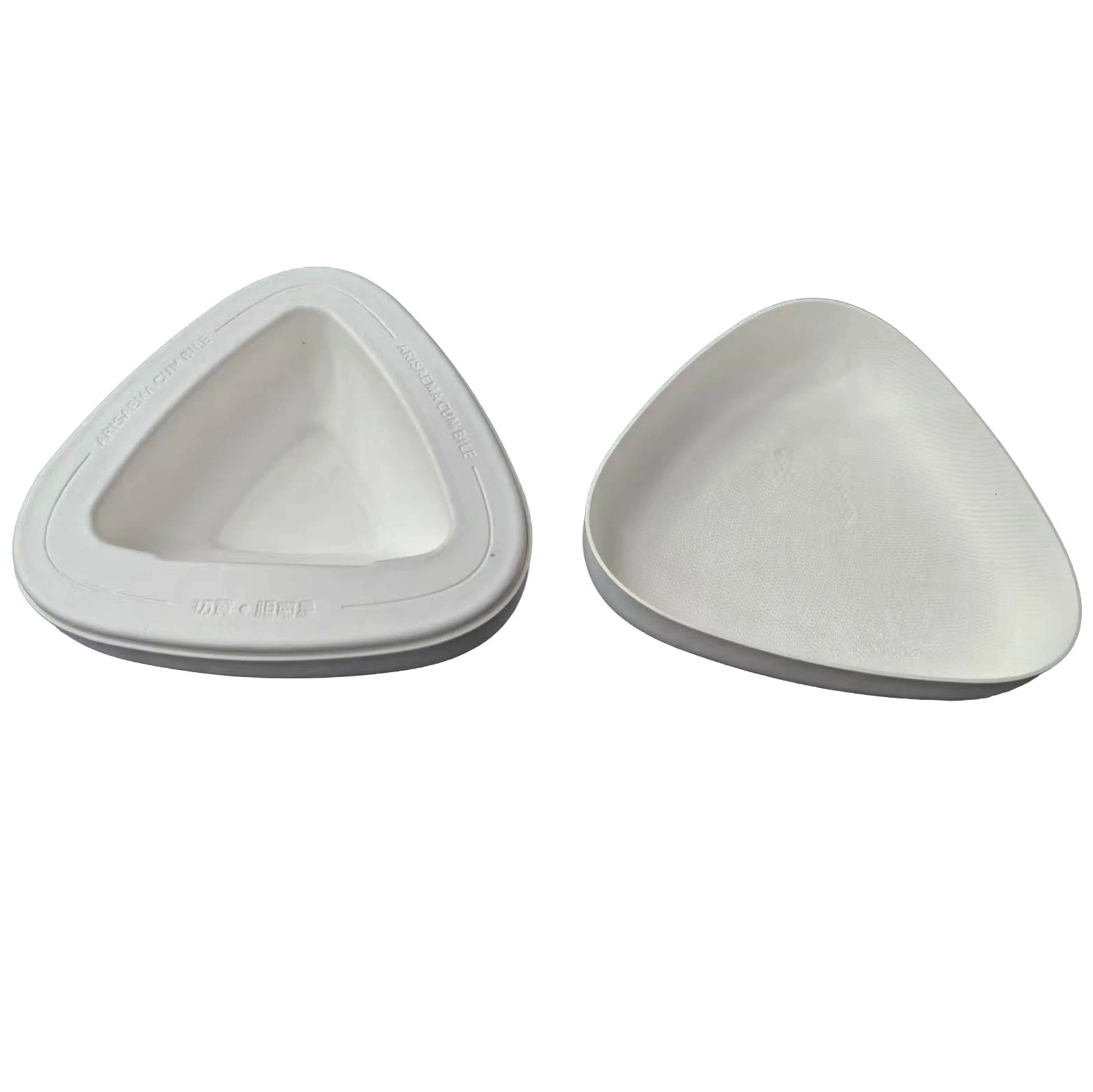

In the landscape of sustainable business practices, HESHENG has emerged as a pioneer, dedicating substantial resources to innovation and development aimed at reducing waste and pollution in their molded pulp production processes. This article explores HESHENG's commitment to environmental stewardship, highlighting the innovative strides they have taken to minimize their ecological footprint and set new standards in the molded pulp industry.
Investment in State-of-the-Art Recycling Technologies:
HESHENG's dedication to sustainability is evident in their investment in state-of-the-art recycling technologies. Literature suggests that the company has committed significant financial resources to develop and implement advanced recycling systems within their molded pulp production facilities. These technologies focus on maximizing the utilization of recycled materials, minimizing the need for virgin resources, and reducing overall waste in the production cycle.
Closed-Loop Manufacturing Systems:
One of the key innovations driving HESHENG's sustainability efforts is the establishment of closed-loop manufacturing systems in their molded pulp production. This approach, highlighted in industry literature, involves creating a circular economy where materials are recycled and reused within the production cycle. By adopting closed-loop systems, HESHENG not only reduces waste but also actively contributes to the mitigation of pollution associated with the traditional disposal of packaging materials.
Water and Energy Conservation Initiatives:
In the pursuit of environmentally responsible molded pulp production, HESHENG has implemented water and energy conservation initiatives. Literature indicates that the company has invested in technologies and processes that optimize water usage and minimize energy consumption. By adopting these measures, HESHENG not only aligns with global sustainability goals but also plays a crucial role in reducing the environmental impact of their operations, particularly in water-scarce regions.
Development of Biodegradable Additives:
HESHENG's commitment to reducing pollution extends to the composition of their molded pulp products. Through innovative research and development, literature suggests that the company has focused on the integration of biodegradable additives in their molded pulp formulations. This forward-thinking approach ensures that HESHENG's products break down naturally, leaving minimal impact on the environment and addressing concerns related to persistent pollutants.
Collaboration for Sustainable Solutions:
In addition to internal initiatives, HESHENG actively collaborates with industry partners, research institutions, and environmental organizations to develop and promote sustainable solutions in molded pulp production. The literature showcases instances where HESHENG's collaborative efforts have led to the sharing of best practices, the development of industry standards, and the collective pursuit of innovations that contribute to waste reduction and pollution prevention.
Conclusion:
HESHENG's commitment to innovation and sustainability in molded pulp production stands as a testament to their dedication to environmental responsibility. By investing in advanced recycling technologies, closed-loop manufacturing systems, water and energy conservation, and the development of biodegradable additives, HESHENG is leading the way in reducing waste and pollution in the industry. As a company that actively embraces green practices, HESHENG is not only shaping the future of molded pulp production but is also inspiring positive change across the broader landscape of sustainable manufacturing.