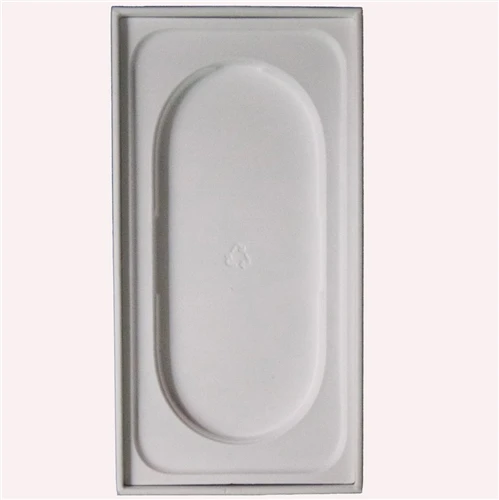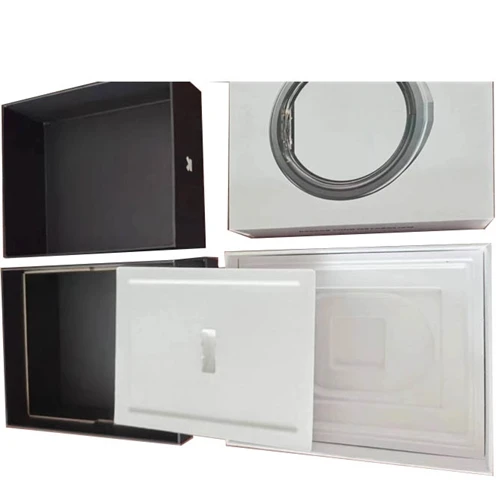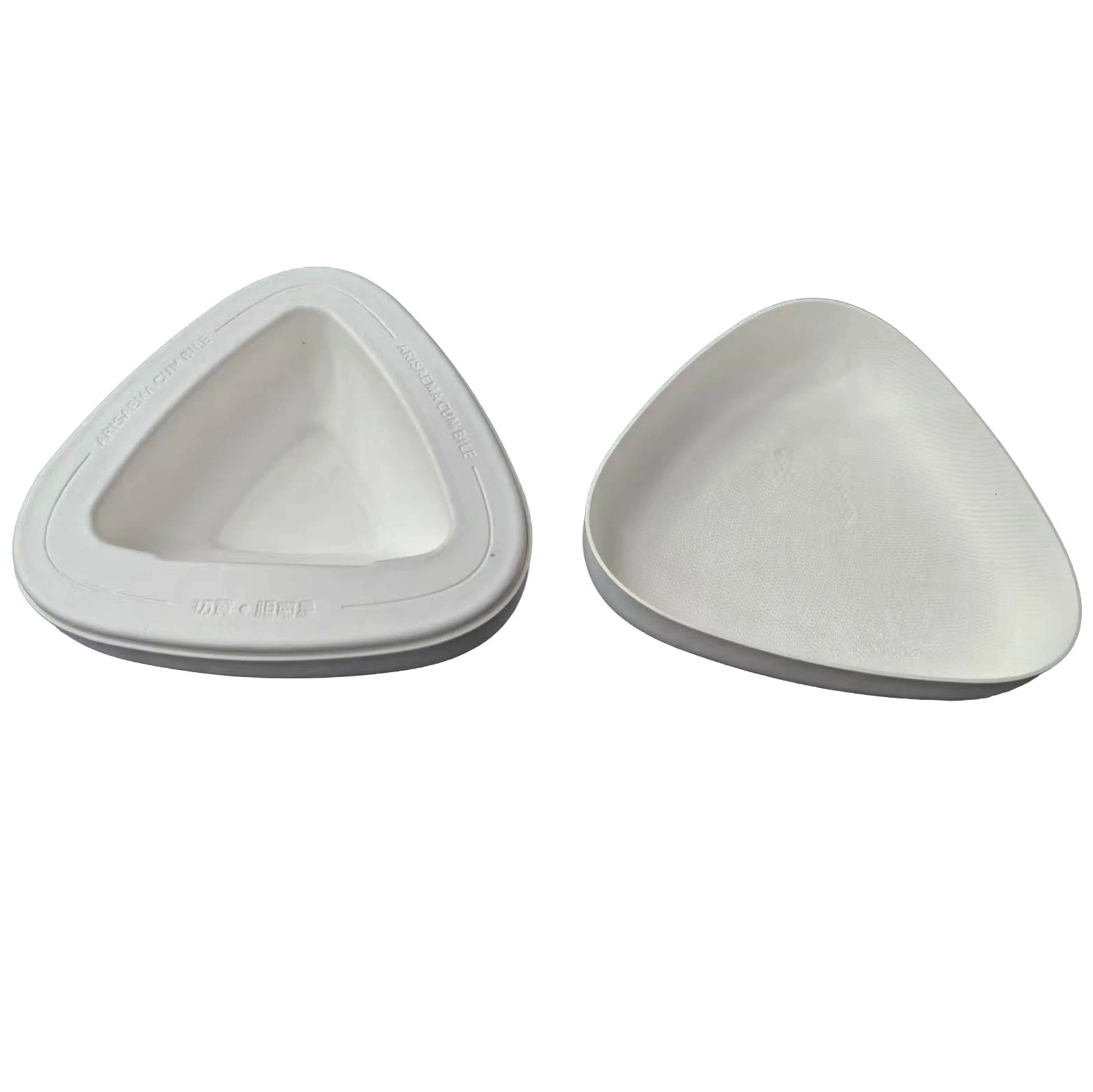

As the packaging industry moves away from plastic foam, paper trays have emerged as the leading replacement. The shift is driven by both environmental concern and practical advantage. Paper trays offer a combination of benefits that plastic foam cannot match.
Fire safety is one of the strongest advantages. Paper trays can be made with flame retardant surface treatments, providing protection against fire without the toxic emissions associated with burning plastics. This makes them suitable for products that require high safety standards in storage and transport.
Moisture protection is another major benefit. Paper trays can be treated with water resistant coatings that keep contents dry even in humid environments. This extends the range of products that can be safely packaged, including foods, medicines and electronic components that are sensitive to moisture.
The anti-static performance of paper trays deserves particular attention. Static electricity can damage integrated circuits and other sensitive electronic parts, and plastic foam is prone to generating static charge. Paper trays resist static buildup, protecting valuable components during handling and shipping.
Paper trays are also highly adaptable. They can be molded into precise shapes that cradle products securely, reducing movement and impact during transport. The material is strong enough to support stacked loads yet light enough to minimize freight costs. Because they are made from recycled paper, they are inexpensive, recyclable and biodegradable. For companies weighing the advantages of different packaging materials, paper trays offer a compelling combination of safety, performance and sustainability.